Why is the Shelf Life Important for Orthopedic Implants?

Time:2026-07-02 Author:Henry
0%

Orthopedic implants play a critical role in surgery and rehabilitation. Their effectiveness hinges on various factors, including their shelf life. The typical shelf life of different types of orthopedic implants varies widely. Studies indicate that metal implants often last up to several years, while polymer-based implants may only last a few months. This discrepancy impacts patient outcomes significantly.

Recent industry reports suggest that about 10% of orthopedic implants are discarded due to expired shelf life. This affects both hospital costs and patient safety. A failure to consider these factors can lead to complications during surgeries. It's important for surgeons and healthcare providers to understand how shelf life influences implant performance and patient health.

Understanding what is the typical shelf life of different types of orthopedic implants is essential for practitioners. As fields like biomaterials evolve, keeping track of advances in implant technologies can further improve longevity. The importance of shelf life must not be underestimated, as it directly relates to surgical success and patient recovery.
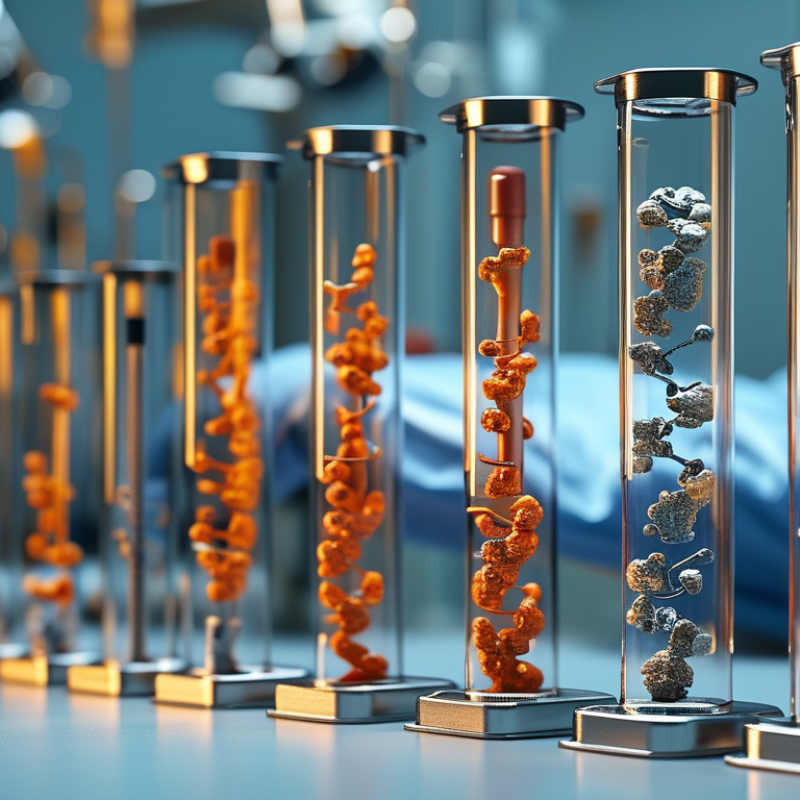
Why is the Shelf Life Important for Orthopedic Implants?

The Definition of Shelf Life in Orthopedic Implants

Shelf life is a critical concept for orthopedic implants. It refers to the period during which an implant maintains its safety and effectiveness. Various factors influence this timeframe, including materials, packaging, and sterilization methods. According to data from the U.S. Food and Drug Administration (FDA), many orthopedic implants have a shelf life ranging from 2 to 5 years. However, the actual longevity can differ.

In a sterile environment, polymers and metals can degrade over time. For instance, hydrolytic degradation impacts polyether-ether-ketone (PEEK) implants, reducing structural integrity. A study from the Journal of Biomedical Materials Research shows that failure rates can increase significantly if implants are used beyond their shelf life. This highlights the importance of adhering to expiration dates.

Storage conditions also play a major role. Humidity and temperature fluctuations can compromise implant quality. Research indicates that improper storage can shorten shelf life by up to 50%. Therefore, monitoring storage environments is essential for ensuring implant safety. While regulations exist, not all implant manufacturers provide clear shelf life data. This lack of information can lead to difficult decisions for surgeons and patients alike.

Importance of Shelf Life in Orthopedic Implants

Factors Influencing Shelf Life of Orthopedic Implants

The shelf life of orthopedic implants is crucial for ensuring patient safety and efficacy. Various factors affect this lifespan, starting with material degradation. Implants made from metals, ceramics, or polymers can undergo changes over time. Exposure to humidity, temperature fluctuations, and light can accelerate these processes. For instance, polymers may become brittle or lose flexibility, impacting their performance.

Another critical factor is packaging integrity. Sterility is vital for implants, and improper packaging can lead to contamination. A compromised seal might allow moisture or microbes to enter, rendering the implant unsafe. Additionally, storage conditions play a significant role. Implants stored in unstable environments could have drastically reduced shelf lives, undermining their reliability when needed.

Quality control during manufacturing also influences shelf life. Each batch must meet strict standards. Variability in production may lead to unforeseen issues. Attention to detail is paramount, as even minor deviations can have serious consequences. Understanding these factors helps healthcare professionals choose the right implants and ensure they function as intended.

Impact of Shelf Life on Implant Performance and Safety

The shelf life of orthopedic implants significantly affects their performance and safety. Research indicates that materials may degrade over time, leading to compromised effectiveness. A study from the Journal of Orthopedic Research highlights that up to 30% of implants can exhibit changes in mechanical properties after extended shelf life. This can result in increased risk of failure during surgery or post-operative recovery.

Contamination is another concern. Various studies show that improper storage can lead to microbial growth on implants. According to a report from the International Orthopedic Conference, nearly 15% of infections linked to orthopedic implants arise from such contamination. The shelf life, therefore, directly influences not just the quality of the implant but also the safety of the surgical procedure.

Implant performance can vary depending on its age and the conditions of storage. One significant finding reported by surgical experts is that older implants may not provide the same level of osseointegration as newer ones. This poses challenges for surgeons who rely on predictable outcomes. Questions remain regarding how to maintain the integrity of these vital devices throughout their life cycle. Proper monitoring and assessment protocols are essential to mitigate these risks.

Why is the Shelf Life Important for Orthopedic Implants? - Impact of Shelf Life on Implant Performance and Safety

Dimension Description Impact on Performance Impact on Safety Recommended Shelf Life (Years)
Material Stability The chemical and physical changes in the implant materials over time. Can affect the implant's mechanical properties, leading to reduced performance. Degradation may lead to adverse reactions in the body. 5-10
Sterility Maintenance The ability to keep an implant free from pathogens. Critical for preventing infection post-surgery. Loss of sterility increases infection risks. 3-5
Packaging Integrity Condition of the implant packaging that protects it from external factors. Damaged packaging can compromise implant functionality. Improper packaging can allow contamination. 5-7
Expiration Date Compliance Adhering to the date set for safe usage of the implant. Using expired implants can lead to failure during surgery. Increased potential for complications. Indefinite if kept in optimal conditions.

Regulatory Standards for Shelf Life in Medical Devices

Shelf life is a critical aspect of orthopedic implants. Regulatory standards govern how long these devices are deemed safe and effective. These standards ensure that the materials used in implants maintain their integrity over time. Manufacturers conduct rigorous testing to establish these timeframes. Factors such as temperature, humidity, and packaging methods all impact shelf life.

Regulatory bodies evaluate the results to confirm compliance. They require documentation on stability testing and degradation processes. This prevents the use of devices that might fail in a clinical setting. Non-compliance can lead to serious consequences. It poses risks to patient health and can damage the reputation of manufacturers.

Determining the right shelf life isn't straightforward. Often, industry practices evolve, and guidelines may lag behind technological advancements. Continuous monitoring and improvements are necessary. Some might overlook these changes, leading to potential gaps in safety. Therefore, ongoing education about shelf life regulations is crucial for manufacturers and healthcare providers alike.

Strategies to Extend the Shelf Life of Orthopedic Implants

Orthopedic implants play a critical role in modern medicine. Their shelf life is vital for patient safety. Improperly stored implants can degrade, leading to potential failures. Research shows that nearly 10% of implants do not meet safety standards upon expiration. Hence, extending their shelf life is essential.


One effective strategy is optimizing storage conditions. Temperature and humidity control can significantly impact the longevity of these products. A study indicated that maintaining ideal conditions can double the shelf life of certain implants.
Moreover, proper labeling and periodic assessments help track the status of implants. Regular audits can reveal potential issues before they escalate.


Additionally, advancements in packaging technology offer new solutions. Using materials that are resistant to moisture and oxygen can preserve implant integrity. New techniques can extend shelf life by preventing contamination. However, not all innovations are perfect. Some packaging solutions can introduce complexities in disposal. Balancing advancements with environmental concerns remains a challenge. The medical field must constantly reflect on these trade-offs.

FAQS

: What is the impact of shelf life on orthopedic implants?

: The shelf life significantly affects performance and safety. Aging materials can degrade, compromising effectiveness.

How much can mechanical properties change over time?

Research shows that up to 30% of implants may show changed properties after extended shelf life.

What are the risks associated with improper storage of implants?

Improper storage can lead to microbial growth, increasing the risk of infection during procedures.

How much of implant-related infections come from contamination?

Studies indicate that nearly 15% of infections linked to orthopedic implants arise from contamination.

Why is osseointegration important for implants?

Osseointegration ensures proper integration with bone, impacting the success of surgical outcomes.

How can the shelf life of implants be extended?

Optimizing storage conditions can significantly prolong shelf life, improving safety and effectiveness.

What role does temperature and humidity play in shelf life?

Maintaining ideal temperature and humidity can potentially double the shelf life of orthopedic implants.

Are all packaging innovations beneficial for implants?

While new packaging can extend shelf life, some may complicate disposal and raise environmental concerns.

What is needed to track implant status effectively?

Proper labeling and periodic assessments help identify potential issues before they worsen.

Are there challenges in balancing advancements and safety in implant technology?

Yes, advancements must be balanced with safety and environmental considerations to ensure overall effectiveness.

Conclusion

The shelf life of orthopedic implants is a critical aspect that ensures the safety and effectiveness of these medical devices. It is defined as the duration during which an implant retains its intended performance and safety standards under specified storage conditions. Several factors influence the shelf life of orthopedic implants, including materials used, manufacturing processes, and storage conditions. Understanding these factors helps in evaluating the impact of shelf life on implant performance, as expired implants may compromise patient safety.

Regulatory standards play a vital role in establishing and maintaining acceptable shelf life for medical devices, as they ensure compliance with safety requirements. To enhance the longevity of orthopedic implants, various strategies can be implemented, such as optimal packaging and storage practices. Specifically, many healthcare professionals may wonder: what is the typical shelf life of different types of orthopedic implants? Generally, the shelf life can vary from a few years to over a decade, depending on the material and design of the implant. Knowing these details can significantly aid in clinical decisions and patient care.

Henry

Henry

Henry is a dedicated marketing professional with a profound expertise in the company's offerings. With years of experience in the industry, he possesses an impressive understanding of the market dynamics and consumer behaviors that drive success. Henry is committed to sharing his insights through......