Moving orthopedic implants across borders requires more than a commercial invoice and a freight booking. Each shipment may involve product classification, medical-device controls, import permits, and inspection procedures. Requirements can differ by destination, implant type, and intended clinical use. A titanium spinal cage does not always follow the same pathway as a trauma plate. Small details matter.
This guide explains How to handle customs clearance for orthopedic implants shipments in 2026. It focuses on practical preparation, accurate documentation, and communication with qualified customs brokers. Useful records may include the commercial invoice, packing list, certificate of origin, product descriptions, manufacturer details, and applicable conformity documents. Lot numbers and sterile-package markings should match every document. A missing field can delay a shipment for days.
Reliable clearance depends on checking current official requirements before dispatch. Customs rules and medical-device procedures can change without much notice. Experienced logistics teams should confirm tariff classification, valuation, labeling expectations, and destination-specific permissions. They should also protect implant packaging from moisture, crushing, and temperature extremes when relevant. This is not always handled well. A rushed handoff between the warehouse and broker can create conflicting information. Reviewing the shipment twice is worthwhile. The guide also recognizes its limits: one general process cannot replace advice from local authorities, licensed brokers, or regulatory specialists. Careful preparation remains the safest advantage.
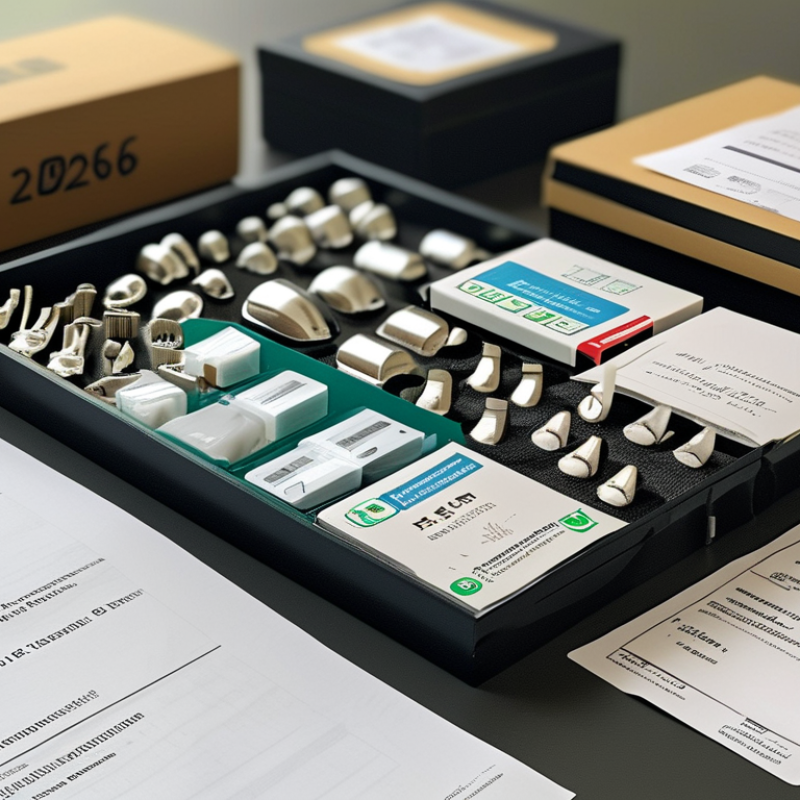
2026 Best Customs Clearance Guide for Orthopedic Implants?
Orthopedic Implant Classification and Customs Requirements in 2026
Orthopedic implants require accurate classification before shipment. Customs officers may assess function, material, and intended medical use. A titanium bone screw should not share a code with a surgical instrument. Its classification may also differ from a joint replacement component.
Review the current HS schedule in the destination country. Tariff codes can change. Do not rely on last year’s entry. Prepare a commercial invoice, packing list, transport document, and certificate of origin when required. The invoice should state the implant type, material, quantity, value, and intended use clearly. Vague descriptions create delays.
Details matter.
A sterile implant in a sealed pouch needs careful document matching. The lot number, size, and product description should agree across shipping records. Some markets may require medical device registration, import permits, conformity evidence, or unique device identification data. Requirements depend on product risk and local rules. Confirm them with the competent authority or a licensed customs professional.
A common mistake is treating customs clearance as only a tariff exercise. It is not. Packaging, labeling, sterilization status, and clinical purpose can affect review. An incomplete file may still pass once, but that does not make it reliable. Regulations change, and even experienced teams can miss a small update. Keep a written classification rationale and review it before every 2026 shipment.
Importing orthopedic implants in 2026 requires a precise document package. Customs officers may compare every detail across the shipment file. The commercial invoice should show the exact product name, quantity, unit value, currency, and country of origin. Avoid vague descriptions such as “medical parts.” Use clear terms, such as titanium spinal screws or sterile hip components.
The packing list should match carton labels, package counts, and gross weights. Include the airway bill or bill of lading, purchase order, import license, and applicable medical device registration documents. A certificate of conformity may also be required, depending on the destination country. For sterile implants, provide sterilization records, shelf-life information, and packaging details. Lot numbers, serial numbers, and unique device identifiers must remain consistent across labels and paperwork.
Small mismatches can cause delays. A single missing digit matters. I have found that suppliers often check the invoice carefully but overlook carton markings. That is a preventable weakness. Before dispatch, compare the invoice, packing list, labels, and product certificates line by line. Ask the customs broker to confirm local requirements before shipping, because document rules differ between jurisdictions and may change. Keep electronic copies and signed originals when requested. Do not assume an older clearance file will be accepted again. Each implant shipment deserves a fresh review.
| Document or Record | Key Information Required | Typical Source or Preparer | Customs and Regulatory Purpose | Typical Requirement | Common Review Points |
|---|---|---|---|---|---|
| Commercial Invoice | Seller and buyer details, invoice number and date, product description, quantity, unit price, currency, total value, delivery terms, and country of origin. | Exporter or seller | Supports customs valuation, classification review, duty calculation, and transaction verification. | Usually required | Descriptions should identify the implant type, material, intended anatomical use, sterile status, and whether the goods are samples, replacements, or commercial shipments. |
| Packing List | Package count, carton or pallet numbers, dimensions, gross and net weight, contents by package, and shipping marks. | Exporter or logistics department | Allows customs and border inspection teams to match the physical shipment with the declaration. | Usually required | Package-level quantities should reconcile with the invoice and import declaration. Include lot, batch, or serial references when available. |
| Bill of Lading or Air Waybill | Transport document number, consignor, consignee, carrier, shipment route, packages, weight, and freight details. | Carrier or freight forwarder | Provides evidence of shipment and supports cargo release, manifest matching, and transport control. | Usually required | Consignee and notify-party information should match the customs declaration and the importer’s legal records. |
| Import Customs Declaration | Importer information, tariff classification, customs value, origin, quantity, procedure code, and applicable duties or taxes. | Importer or authorized customs broker | Creates the formal import entry and establishes the legal basis for customs clearance. | Required | Tariff classification must be confirmed for the exact product, such as joint replacement components, bone fixation devices, spinal implants, or surgical instruments. |
| Import Permit or Medical Device Import Authorization | Permit number, authorized importer, product scope, validity period, and permitted destination or quantity. | Importer and the relevant authority in the destination market | Demonstrates that the importer is legally authorized to bring regulated medical devices into the country. | Country-dependent | Requirements may depend on device classification, intended use, product registration status, shipment type, and whether the goods are for sale, clinical use, evaluation, or repair. |
| Medical Device Registration or Market Authorization Evidence | Registration number, product name, model or catalogue reference, device classification, authorized legal entity, and validity status. | Manufacturer, authorized representative, or importer | Shows that the orthopedic implant is permitted for the stated use in the destination market. | Country-dependent | Product descriptions, model references, packaging labels, and declared intended use should be consistent across the registration record and shipping documents. |
| Certificate of Origin | Country where the goods were manufactured or sufficiently processed, together with exporter, consignee, product description, and origin criteria. | Exporter or an authorized issuing body | Supports origin determination, trade-policy controls, and preferential duty claims where an agreement applies. | When requested or when preference is claimed | Country of origin is not necessarily the country of shipment. The origin statement must follow the applicable customs rules. |
| Product Classification and Technical File Summary | Product function, anatomical application, implant material, sterility, single-use status, reusable components, dimensions, and applicable device category. | Manufacturer or regulatory department | Helps customs and regulatory authorities verify tariff classification and identify whether additional controls apply. | Frequently requested for regulated goods | Do not use a generic description such as “medical parts.” State the specific implant type and intended clinical function. |
| Packing and Labeling Evidence | Product label, lot or batch number, serial number where applicable, expiration date, sterility indication, storage conditions, and traceability information. | Manufacturer or quality department | Supports product identification, traceability, inspection, and verification of the declared goods. | Frequently requested for sterile devices | Labels should be legible and consistent with the invoice, packing list, registration record, and physical packaging. |
| Sterilization Certificate or Sterility Statement | Sterilization method, processing date, batch or lot reference, sterility assurance information, and packaging status. | Manufacturer or qualified sterilization provider | Supports the declaration of sterile medical devices and may be reviewed during health or border inspection. | Required when goods are declared sterile | Use the same lot or batch references shown on the product label and accompanying quality records. |
| Certificate of Conformity or Declaration of Conformity | Applicable regulatory framework, product identification, conformity statement, device classification, standards used, and responsible legal entity. | Manufacturer or authorized regulatory representative | Provides evidence that the device meets applicable safety, performance, and regulatory requirements. | Market-dependent | Customs may request this document when the product is controlled as a medical device or when the shipment is selected for documentary inspection. |
| Purchase Order or Sales Contract | Agreed product specifications, quantities, pricing, delivery terms, payment conditions, and buyer information. | Buyer and seller | Supports transaction authenticity and customs valuation when invoice information requires clarification. | May be requested | Declared values should be consistent with the purchase terms, payment records, invoice, and related-party disclosures. |
| Customs Valuation Support | Freight, insurance, assists, commissions, royalties, discounts, transfer-pricing information, and payment evidence where relevant. | Importer, finance team, or customs broker | Supports the customs value used to calculate duties, import taxes, and statistical value. | When requested or for complex transactions | Related-party transactions, free-of-charge replacements, samples, and unusually low or high prices may receive additional review. |
| Insurance Certificate | Insured party, shipment reference, coverage amount, insured risks, transport route, and effective dates. | Exporter, importer, insurer, or freight forwarder | Confirms cargo coverage and may support customs valuation when insurance forms part of the declared import value. | When insurance is arranged or requested | Shipment references and insured values should correspond with the transport document and commercial invoice. |
| Power of Attorney for Customs Brokerage | Importer identity, broker authorization, scope of authority, effective period, and signatures of authorized parties. | Importer and authorized customs broker | Allows a broker to submit declarations and communicate with customs on the importer’s behalf. | When a broker is used | Confirm that the authorization is valid for the destination jurisdiction and covers medical-device imports where applicable. |
| Dangerous Goods Declaration | Proper shipping name, hazard classification, packing instruction, quantity, emergency contact, and transport authorization. | Shipper or qualified dangerous-goods specialist | Ensures compliance with transport safety rules for shipments containing regulated substances or components. | Only if applicable | Most orthopedic implants are not dangerous goods solely because they are medical devices; additional controls may apply if the shipment contains batteries, chemicals, or other regulated items. |
Step-by-step customs clearance begins before the orthopedic implant leaves the factory. Confirm its intended use, material, sterile status, and implant type. Match these details with the correct HS code, often within heading 9021. National subheadings can differ. Never rely on an old supplier code. The World Customs Organization’s Harmonized System supports consistent classification, but local interpretation still matters. A wrong code can cause reassessment, storage fees, or inspection.
Prepare a complete document pack. Include the commercial invoice, packing list, airway bill, origin certificate, import permit, conformity evidence, and sterilization records. Describe every implant separately. State its quantity, value, currency, material, and country of origin. Customs may also request lot numbers or technical files.
The WHO and UNICEF Global Report on Assistive Technology (2022) estimates that 2.5 billion people need assistive products today. That scale makes traceability essential, not decorative paperwork.
Submit the entry through the destination customs system. Pay duties and taxes, then answer queries quickly. Check medical-device labeling and registration rules before shipment. OECD Trade Facilitation Indicators research estimates that stronger implementation can reduce trade costs by up to 14.3%. That benefit disappears when data is incomplete.
The process is not perfectly linear. A missing lot range can delay release. I would still require a pre-clearance review, even when a broker sounds confident. Confidence is not evidence.
Keep declarations, permits, correspondence, and release notices together for audit review.
2026 Best Customs Clearance Guide for Orthopedic Implants
Orthopedic implant shipments require careful control from the warehouse to the receiving hospital. Safety starts with a documented inspection before dispatch. Confirm the implant type, size, material, lot number, and expiration date. Sterile products need an intact sterile barrier. Any torn pouch, crushed carton, or missing seal requires quarantine. Do not guess.
Labels should match the commercial invoice, packing list, and regulatory documents exactly. Include the product description, quantity, country of origin, storage conditions, and intended medical use. Add serial, lot, or unique device identifiers when required by the destination market. Use clear language and durable labels that remain readable after handling. Customs officers and clinical staff should not need to interpret vague descriptions. That still happens.
Packaging must protect both sterility and physical accuracy. Use a validated inner barrier, cushioning, and a rigid outer carton suitable for international transport. Keep implants separated by size or model to prevent selection errors. Add tamper evidence when appropriate. Temperature and humidity controls may be necessary for specific materials or coatings. Record seal checks, photographs, and handover times. These details strengthen traceability during inspections or delivery disputes.
Before shipment, verify import permits, consignee information, and local clearance requirements with qualified regulatory professionals. Requirements can differ between countries and may change without notice. A practical review should involve logistics, quality, and clinical teams. We still find avoidable errors in unit descriptions and document quantities. That is why a second-person check remains valuable, even in automated systems.
Safety, labeling, and packaging shipments should be checked against the relevant regulatory framework and consensus standards before export and import clearance.
The chart shows the publication or adoption year of widely used references relevant to orthopedic implant safety, quality management, unique device identification, and sterile barrier packaging. These references do not replace destination-country customs requirements, import permits, product registration, or competent-authority guidance. Always verify the current rules for the shipment’s origin, destination, device classification, and sterility status.
Sources: U.S. FDA Unique Device Identification Final Rule (2013); ISO 13485:2016; Regulation (EU) 2017/745; ISO 11607-1:2019; ISO 11607-2:2019; ISO 14971:2019.
Orthopedic implant shipments often fail customs because documents disagree. Classification is usually the first fault line. An implant, instrument, or surgical accessory may require different tariff treatment. Generic descriptions create delays. Use the exact device name, material, intended use, and sterile status. Confirm the HS code with a customs broker and the importing authority before shipment.
Regulatory documents cause another common problem. Customs may request registration evidence, an import permit, a certificate of origin, or lot and serial details. The commercial invoice should match the packing list, airway bill, and product labels. One missing digit can stop a pallet. Keep translations ready for technical terms. Also check whether samples, replacement units, and commercial products follow different procedures.
Data supports careful preparation. The OECD Trade Facilitation Indicators 2022 report estimates that stronger trade facilitation could reduce trade costs by 12.5% to 17.5%. The World Bank Logistics Performance Index 2023 also identifies customs efficiency and shipment timeliness as key logistics measures. These figures do not solve a rejected entry. They show why predictable processes matter. A pre-clearance document review is practical, but it is not perfect. Requirements can change, and local interpretation may differ. Record every broker response, correction, and approval reference. That small audit trail can protect the next shipment.
Prepare the commercial invoice, packing list, transport document, purchase order, import permit, and origin certificate. Include device registration and conformity documents when required. Keep electronic copies and signed originals. Details must agree.
State the exact device name, quantity, unit value, currency, material, and country of origin. Use “titanium spinal screws,” not “medical parts.” Include sterile status when applicable. Avoid vague wording.
Match carton labels, package counts, gross weights, and product descriptions line by line. Check lot numbers, serial numbers, and unique device identifiers. One digit matters. Carton markings are often overlooked.
Confirm the implant type, material, intended use, and sterile status before classification. Codes may differ between countries, even under the same international heading. Ask a broker and the importing authority for confirmation. Old codes may fail.
Provide sterilization records, shelf-life information, packaging details, and relevant lot numbers. Labels and certificates must show consistent data. A missing lot range can delay release. Keep evidence organized.
Submit the entry through the destination customs system and pay applicable duties and taxes. Respond quickly to customs questions. Provide permits, technical documents, and translations when requested. The process may change.
Common issues include vague descriptions, incorrect classification, missing permits, and inconsistent shipment data. A single missing digit can stop a pallet. Samples and replacement units may follow different procedures. Check every category.
Review the invoice, packing list, labels, certificates, and transport documents before dispatch. Ask the broker to confirm current local requirements. Record corrections, approvals, and correspondence. Confidence is not evidence.
Use older files only as references, not automatic substitutes. Rules and local interpretations can change. Review every shipment again. I would still recheck everything.
This 2026 guide explains how to handle customs clearance for orthopedic implants shipments in a structured and compliant way. It covers how to identify the correct product classification, determine applicable customs requirements, and prepare essential documents such as commercial invoices, packing lists, certificates of origin, import permits, product registrations, and shipping records. Because orthopedic implants are medical devices, importers should verify destination-country requirements before shipment and ensure that all information is accurate and consistent.
The guide also presents a practical clearance process, from pre-shipment checks and customs declaration to inspection, duty payment, and final release. It highlights the importance of proper labeling, traceability information, sterile or protective packaging, and suitable transportation conditions. Finally, it addresses common problems, including missing documents, classification disputes, inconsistent product details, and inspection delays, while offering preventive solutions such as early document review, communication with customs brokers, and coordination with logistics providers.

WEX Medical