Choosing the right orthopedic implants is critical for patients and healthcare providers. The decision impacts recovery, functionality, and overall satisfaction. An essential factor in this process is cost, particularly maintenance costs. Understanding how to select orthopedic implants with low maintenance cost can significantly benefit both patients and institutions.
Orthopedic implants are not just a one-time expense. Maintenance costs can add up over time. Factors such as material durability, compatibility, and ease of replacement play roles in the long-term financial implications. Therefore, making an informed decision requires thorough research and expertise.
Additionally, not all implants are created equal. Some may promise longevity but have hidden costs. Evaluating each option involves understanding their strengths and weaknesses. Engaging with professionals who have extensive experience in this field can provide valuable insights. Through collaboration and careful consideration, selecting cost-effective implants becomes possible.
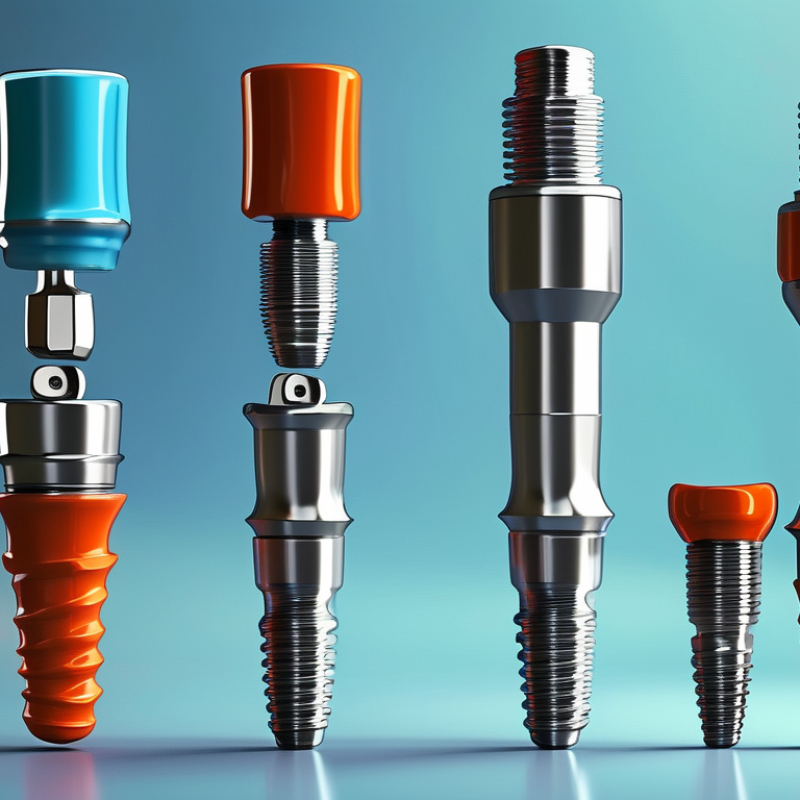
In the realm of orthopedic implants, understanding cost factors is vital for making informed choices. When evaluating implants, one should consider materials, design complexity, and longevity. Implants made from high-quality materials often come with a higher price tag, but they may offer better durability. This durability can lead to fewer replacements, ultimately saving costs.
Another significant cost factor is the implant’s design. Complex designs may enhance performance, but they also increase manufacturing expenses. It's crucial to balance the benefits of advanced technology against the potential long-term savings. Additionally, consider the operational costs associated with implants. Surgical techniques and recovery protocols can vary, affecting overall expenses.
While low maintenance costs are desirable, achieving them requires careful planning. An implant may seem economical upfront but could lead to higher costs if complications arise. A thorough assessment of the associated risks and potential drawbacks is necessary. Gathering expert opinions and reviewing case studies can provide valuable insights, further enhancing the decision-making process. Striving for the right balance between cost and quality will ensure optimal outcomes in orthopedic treatment.
When evaluating material choices for orthopedic implants, durability is key. Implants must withstand repeated stress over time.
Stainless steel and titanium are two common options. They offer strength but vary in weight and corrosion resistance. Each material has its pros and cons.
Tips: Look for proven materials. Ask about longevity studies. Insights from past surgical outcomes can guide your decision.
Another consideration is wear resistance. Polyethylene and ceramic are often used in joint replacements. Both materials resist abrasion, but they may crack under pressure. Balancing durability with potential maintenance needs is crucial.
Tips: Consult with experts. Their experience can highlight which materials hold up better. Real-world applications matter. Remember that newer materials may not always be tested over time.
Finally, think about the maintenance and conditions of use. Implants under heavy load may degrade faster. Analyze the patient’s lifestyle for optimal choices. Understanding these factors can aid in making informed decisions for both patients and healthcare providers.
When considering orthopedic implants, assessing long-term performance is crucial. A 2021 report from the International Orthopedic Journal indicates that the life expectancy of certain implants ranges from 10 to 20 years. This longevity greatly influences total cost over time. While initial costs may vary, implants that require fewer replacements can lower overall expenses significantly.
Studies show that high-quality materials, such as titanium, often lead to better outcomes. For example, a survey published in the Journal of Bone and Joint Surgery highlighted that hospitals using durable implants recorded a 30% reduction in postoperative complications. This data underscores the importance of investing in quality, rather than opting for cheaper alternatives upfront.
Patients must also consider potential complications. A review in the American Academy of Orthopedic Surgeons found that implants with higher failure rates can lead to additional surgeries. These complications not only increase costs but can also affect patient satisfaction and recovery times. Focusing on long-term performance reveals the complex balance between short-term savings and long-term health outcomes.
Choosing the right manufacturer for orthopedic implants is crucial for maintaining low maintenance costs. It requires detailed research and critical thinking. Look for companies with a solid track record in producing reliable and durable implants. Their experience usually translates to fewer complications and longer-lasting solutions. Verify their certifications and adherence to industry standards. This reflects their commitment to quality.
While assessing manufacturers, consider their customer support and accessibility. Efficient communication can save time during emergencies. However, not all companies excel in this area, which can lead to delays. Pay attention to feedback from healthcare professionals who have worked with these manufacturers. Their insights can reveal potential shortcomings in products or support.
Cost is essential, but never compromise on quality. Cheaper options are often tempting, yet they may result in long-term expenses. It’s a balancing act. Strong research, reliable data, and industry insights are necessary. Regularly revisiting these choices can ensure that the selected implants remain effective. Always be prepared for unexpected challenges as the field of orthopedic solutions evolves.
| Implant Type | Material | Average Cost (USD) | Expected Lifespan (Years) | Maintenance Needs |
|---|---|---|---|---|
| Total Joint Replacement | Titanium Alloy | 15,000 | 15 | Low |
| Hip Implants | Cobalt Chromium | 10,000 | 20 | Medium |
| Knee Implants | Polyethylene | 8,000 | 15 | High |
| Spinal Implants | Tantalum | 12,000 | 10 | Low |
| Plate and Screw Systems | Stainless Steel | 1,500 | 5 | Medium |
Choosing the right orthopedic implants can significantly impact maintenance costs. One crucial aspect is implementation. A skilled surgeon can ensure proper alignment, reducing the likelihood of complications. Proper placement means fewer follow-up procedures, leading to lower long-term costs. Surgeons need to analyze a patient's specific needs before selecting implants. Each patient's unique anatomy plays a role in decision-making.
Follow-up care is equally important. Regular check-ups help detect issues early, preventing costly interventions. Patients should maintain open communication with healthcare providers, reporting any discomfort or complications. Rehabilitation plays a critical role in recovery. Engaging in prescribed exercises can enhance healing and longevity of the implant. However, patients often struggle with adherence. Consistency is key, but not everyone is diligent.
Many factors can affect long-term outcomes. The activity level of the patient, for instance, can influence wear on the implant. Those who lead an active lifestyle may have different needs than sedentary individuals. It's essential to reassess implant performance over time. Reflecting on the balance between cost and quality can lead to better choices. Prioritizing education and understanding is vital for all parties involved.
: Stainless steel and titanium are popular choices. They offer strength and corrosion resistance.
Durability is crucial. Implants must withstand repeated stress over time.
They resist abrasion but may crack under pressure, affecting longevity.
Heavy loads can degrade implants faster. Analyze patient activities for better material selection.
Research their track record, certifications, and adherence to industry standards.
Effective communication is vital during emergencies and can impact patient care.
No, opting for cheaper implants may lead to higher long-term costs and complications.
Regularly review choices and stay informed about industry developments.
Inquire about longevity studies and insights from past surgical outcomes.
Experts can provide insights on material performance based on real-world applications.
When considering how to select orthopedic implants with low maintenance cost, it is essential to first understand the various types of implants and the factors that influence their costs. Factors such as materials used and their durability play a significant role in determining long-term maintenance expenses. Evaluating the performance of different materials is crucial, as higher upfront costs may be justified if they lead to reduced maintenance needs over time.
Furthermore, selecting the right manufacturer is vital for finding cost-effective solutions that balance quality and affordability. Proper implementation and diligent follow-up care also contribute significantly to minimizing future maintenance costs, ensuring that both patients and healthcare providers can maintain optimal outcomes without incurring excessive expenses. By carefully assessing these aspects, one can make informed decisions that lead to effective and sustainable orthopedic care.

WEX Medical