In the rapidly evolving field of orthopedic imports, understanding the pitfalls is crucial for success. Dr. Emily Wang, a renowned expert in medical device logistics, states, "Identifying common mistakes in orthopedic imports can save both time and resources." This insight underscores the importance of a vigilant approach to importing orthopedic products.
What are the common mistakes in orthopedic imports? Many companies overlook regulatory compliance, resulting in costly delays. Others fail to verify supplier integrity, leading to subpar products entering the market. Proper documentation is often neglected, creating legal hurdles that could have been easily avoided.
As the landscape changes in 2026, reflecting on past errors is essential. Emphasizing due diligence can prevent these mistakes. Stakeholders must assess their current strategies and be willing to adapt. Continuous education on regulations and supplier standards is vital. By addressing these common mistakes, businesses can optimize their import processes and enhance patient care outcomes.
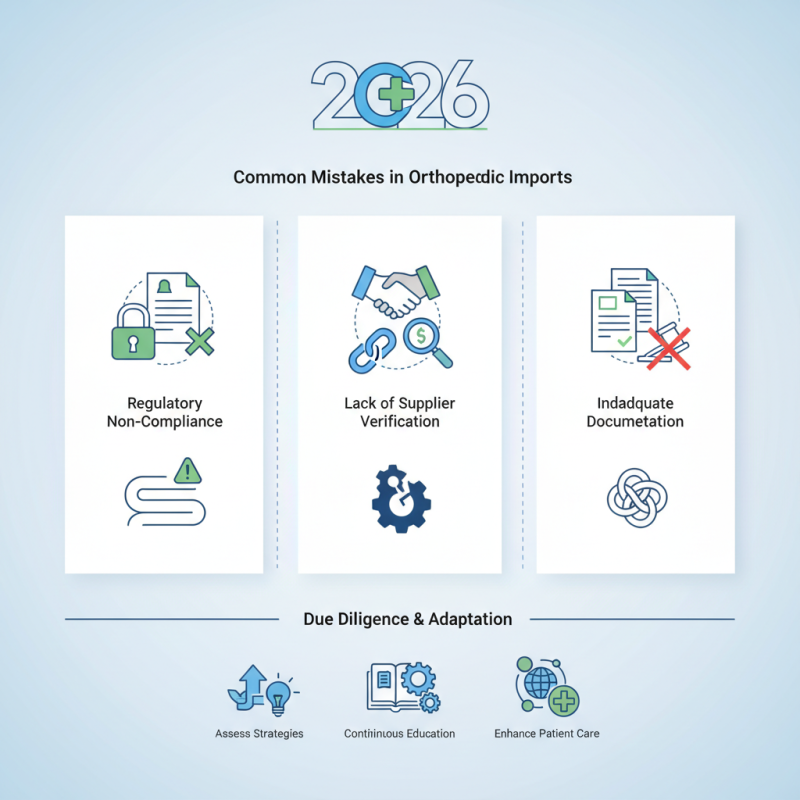
When navigating the complexities of orthopedic imports in 2026, understanding key regulations is vital. Compliance is non-negotiable. Many firms overlook the importance of thorough documentation. This oversight can lead to unnecessary delays. Customs officials require precise information about product specifications. Missing or incomplete data often results in fines.
Specific regulations can vary widely by region. It’s crucial to stay updated on changes. Outdated knowledge can hinder the import process. Furthermore, ensure product labeling meets local standards. Mislabeling is a common pitfall that can negatively affect market entry. Identify certification requirements for different devices as well. Each orthopedic product may need specific compliance checks.
Many organizations fail to invest enough time in research. This neglect can result in costly mistakes. Recognizing the importance of compliance early on helps avoid these issues. Engaging with experts can provide valuable insights. They can help pinpoint potential regulatory gaps in your strategy. As you prepare for 2026, placing regulations at the forefront is key.
The orthopedic import sector is fraught with compliance challenges. In 2022, approximately 30% of orthopedic device importers reported compliance issues, ranging from inadequate documentation to mislabeling. Such errors can lead to costly delays. It's crucial for companies to understand these common pitfalls to avoid losing valuable market access in 2026.
One prevalent mistake is failing to adhere to documentation standards. A recent industry study revealed that 25% of importers did not properly account for all regulatory requirements. Inaccurate or incomplete paperwork increases the risk of inspections and potential fines. Staying current with documentation can prevent unnecessary complications. Another common problem involves misunderstanding the classification of orthopedic devices. Incorrect classifications can hinder smooth entry into markets, leading to compliance violations.
Training personnel on up-to-date import regulations is essential. However, many organizations often overlook employee education. Only 15% of companies have implemented regular compliance training sessions. Investing in proper training can mitigate risks that lead to compliance failures. The orthopedic import landscape is changing rapidly, and awareness is key. Each error offers a learning opportunity; addressing them enhances reliability in the long run.
Understanding the import documentation for orthopedic products is crucial. Accurate documentation ensures smooth customs clearance. Missing or incorrect papers can delay shipments and increase costs. Familiarize yourself with essential documents such as the Commercial Invoice and the Packing List. Each must detail the product description, quantity, and value clearly.
Another common issue in orthopedic imports is neglecting regulatory requirements. Each country has specific health and safety regulations for medical devices. Ensure that your products meet these standards. This can involve certifications that validate safety and efficacy. Importers often overlook timelines for necessary approvals. Start this process early to avoid last-minute issues.
Finally, be cautious with tariff classifications. Misclassifying products can lead to unexpected duties. Take the time to research the correct codes. Seek assistance if needed, as getting these details right is essential. Small errors in documentation or classification can result in significant consequences.
Mislabeling issues in orthopedic imports remain a significant concern for industry players. This problem not only causes regulatory headaches but can also lead to severe risks in patient care. According to the Food and Drug Administration (FDA), nearly 30% of orthopedic devices fail to meet labeling requirements. This gap can stem from inaccurate classification or incomplete information about the device's intended use.
In 2026, importers must stay vigilant. Mislabeling can lead to delays, fines, or even product recalls. Many importers underestimate the complexity of regulatory compliance. It’s crucial to ensure labels provide clear, accurate information aligned with regulatory standards. Training employees on these requirements can help mitigate risks. Regular audits of labeling practices can further prevent issues.
In terms of compliance, ISO standards emphasize the importance of precise documentation. Adhering to these guidelines can improve reliability. Reports indicate that companies following stringent labeling practices see a 25% reduction in compliance-related issues. Investing in better labeling systems not only enhances accuracy but also fosters trust in the orthopedic industry. In an evolving market, avoiding common pitfalls related to mislabeling is essential for success.
In 2026, navigating tariffs and duties for orthopedic imports will be crucial. As countries adapt trade policies, understanding these adjustments can prevent costly mistakes. According to a recent report by the International Trade Administration, the orthopedic equipment market is projected to reach $56 billion by 2026. This growth is accompanied by changes in tariffs that can hinder import processes if overlooked.
When importing orthopedic devices, one common pitfall is misclassifying products. Accurate classification directly impacts tariff rates. The Harmonized System (HS) codes are vital for ensuring correct duties are applied. Errors may lead to higher costs or delays. For example, mislabeling a surgical instrument as a general tool could double the import duty.
**Tips:** Always double-check classification. Utilize reliable online resources or consult with trade experts. Stay updated on changes in tariffs, as they can vary annually. Seek guidance from customs brokers who specialize in medical devices. This choice might save time and improve compliance.
Moreover, underestimating the importance of documentation can lead to hold-ups at customs. Proper permits, licenses, and FDA approvals are essential for orthopedic imports. Missing paperwork can result in substantial delays. Remember that late or incomplete submissions can increase inventory costs and disrupt supply chains. Being proactive can enhance your import experience significantly.
: Compliance is vital to avoid delays and fines. Accurate documentation is non-negotiable for smooth operations.
Many overlook necessary paperwork. Missing documents can cause costly delays and compliance issues.
It's essential to meet local labeling standards. Mislabeling can hinder market entry and create regulatory challenges.
Incorrect classifications can lead to compliance violations. This may result in penalties and hinder market access.
Regular training is crucial for compliance. Only a small percentage of companies prioritize this, risking costly mistakes.
Key documents include the Commercial Invoice and Packing List. These must clearly outline product details and values.
Begin early to avoid last-minute challenges. Timely approvals are crucial to meet regulatory requirements.
Misclassifying products may lead to unexpected duties. It's critical to research and confirm correct tariff codes.
Each product may need specific certifications. Understanding these helps ensure compliance with health and safety standards.
Many organizations fail to keep documentation up to date. This oversight can lead to increased inspection risks and fines.
In preparing for orthopedic imports in 2026, businesses must be vigilant about several key areas to avoid common mistakes in orthopedic imports. This includes understanding the specific regulations governing the importation of orthopedic products, which can vary by region and significantly influence compliance success. Many importers overlook critical compliance errors during the import procedures, leading to costly delays and penalties.
Additionally, proper documentation is crucial; importers must ensure that all necessary paperwork is accurately completed to facilitate smooth customs clearance. Mislabeling issues can also arise, which can severely impact product acceptance in the market. Finally, navigating tariffs and duties associated with orthopedic equipment is essential for maintaining competitive pricing and avoiding unexpected costs. By addressing these areas proactively, businesses can enhance their import practices and align with regulatory requirements effectively.

WEX Medical