How to Compare Orthopedic Implant Prices by Technology?

Time:2026-11-13 Author:Henry
0%

How to Compare Orthopedic Implant Prices by Technology?

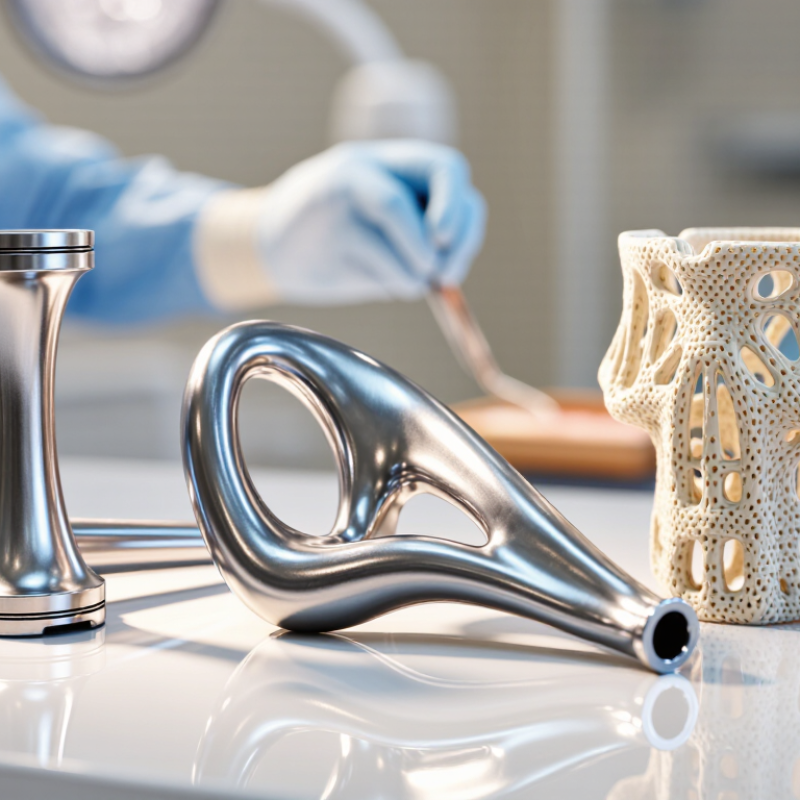
Why do orthopedic implants prices vary by production technology? The answer is not simply that one manufacturing method is “better.” A machined titanium hip stem, a forged component, and a porous 3D-printed implant can require different equipment, processing steps, inspection, and validation. Even small design details matter. Think of a roughened surface designed for bone ingrowth, or a precisely finished taper that must fit another component.

Orthopedic biomaterials researcher Dr. Joshua J. Jacobs offers a useful guiding perspective: “An implant’s price should be judged alongside its materials, manufacturing controls, and clinical evidence.” Price comparisons need that context. A printed implant may involve costly design software and process monitoring, while a conventional component may benefit from established production lines and higher volumes. Neither fact alone proves better value.

Look beyond the unit price. Ask what technology shaped the implant, how the surface was treated, and what inspections support consistent quality. Compare equivalent materials, designs, and product configurations; otherwise, the figures can mislead. Request clear information about production scale, finishing, sterilization, and applicable quality controls. Details count.

There is a catch. Suppliers may describe similar processes differently, and quoted prices may exclude different services or packaging. A fair comparison therefore needs documented specifications, not just a spreadsheet. This guide examines how production technology can influence cost, what questions buyers should ask, and where price differences deserve closer scrutiny. It cannot make every purchasing decision simple. But it can make the comparison more transparent.
How to Compare Orthopedic Implant Prices by Technology?

Orthopedic Implant Technologies and Their Main Categories

Orthopedic implants can be grouped by how they are made and how their surfaces interact with bone. Conventional machined implants use established shapes and smooth or treated surfaces. They are common in joint replacement and fracture fixation. Their prices may be easier to compare, but size range, material, and included components still matter. A bare plate is not equivalent to a complete fixation set.

Porous and advanced-surface implants use textured coatings or engineered pores to support bone integration. Additive-manufactured implants can create complex porous structures, often for difficult anatomy or revision surgery. Patient-specific devices are designed from imaging data and may require extra planning and production time. Sensor-enabled implants can collect movement or load data, but their software and follow-up needs may affect total cost. Small differences matter.

When comparing prices, match the implant category, intended use, material, and components before reviewing quotations. Ask whether the quoted amount includes instruments, imaging-based planning, sterilization, and technical support. Check clinical evidence and documented performance, not just the technology label. A polished surface is not automatically a better choice. I would not assume that a newer design suits every patient; anatomy, bone quality, and the surgeon’s plan can change what is appropriate. Price comparisons are imperfect when vendors bundle services differently, so request an itemized breakdown.

Key Specifications That Influence Implant Pricing

Implant prices reflect more than the base material. A cobalt-chromium bearing, titanium alloy stem, or ceramic surface can require different processing and testing. Porous coatings add manufacturing steps, while tighter tolerances demand more inspection. These details matter, but a higher specification does not automatically mean better value.

Compare fixation method, size range, modularity, and included instruments. A cementless design may need a porous surface; a modular system may offer more component choices but add inventory and compatibility checks. The U.S. Government Accountability Office’s 2012 review found substantial variation in hospitals’ implant purchase prices and noted that confidential contracts can limit comparisons. Ask for an itemized quote: implant components, instruments, sterilization, and support. Small line items count.

Evidence belongs beside the price. The UK National Joint Registry’s 2023 report covers more than three million joint-replacement procedures, illustrating the scale of data used to track implant outcomes. Check whether a design has registry follow-up, how long patients were observed, and whether results apply to the exact component combination. A polished brochure is not long-term evidence. I would still question any quote that treats coating, bearing, and service life as interchangeable features; they are not.

How to Compare Purchase Prices Across Implant Technologies

Compare purchase prices only after defining the same unit: one complete implant set, with matching components, sizes, coatings, and fixation method. A conventional cemented system, a porous-coated design, and a patient-specific option may carry different instrument, planning, or single-use costs. Ask suppliers to separate these charges from the implant invoice. Otherwise, a low unit price may hide higher per-case spending.

CMS reported that U.S. hospital care spending reached about $1.35 trillion in 2022 in its National Health Expenditure Accounts. That figure shows the scale of hospital purchasing, but it is not an implant-price benchmark. CMS hospital price-transparency files can offer negotiated-rate context; however, rates may be bundled and rarely isolate a specific implant configuration. Compare written quotes using the same volume assumptions, warranty terms, delivery costs, and contract period. Even a tidy spreadsheet can mislead when technologies include different services.

Tips: Request a line-item quote for each technology, then calculate cost per completed case at your actual annual volume. Record instrument leases and disposable components separately. Check three or more comparable quotes, and note when a feature is clinically required rather than merely preferred. One gap remains: public pricing data often cannot reveal the exact device mix behind a reported rate.

How to Compare Purchase Prices Across Orthopedic Implant Technologies

Illustrative purchase-price index (conventional implant = 100). Values are for demonstration only, not observed market prices or supplier quotes.

Compare like with like: use the same procedure, implant components, contract terms, and purchasing volume. Confirm whether navigation, robotics, instrumentation, and service fees are included; these may be priced separately from the implant.

Evaluating Clinical Evidence and Long-Term Value

A fair comparison starts with clinical evidence, not the implant’s price tag. Check whether studies compare similar patients, surgical approaches, and follow-up periods. A registry result from older patients may not predict outcomes for a younger, more active person. Not enough.

The Lancet’s 2019 systematic review estimated that 58.4% of total hip replacements lasted 25 years, using case-series data; national registry estimates were 57.9%. These figures describe broad populations, not a guarantee for one implant or patient. The UK National Joint Registry’s 2023 Annual Report provides revision outcomes across implant and patient groups, useful context when assessing claims. Look for absolute revision rates, patient-reported pain and function, complications, and how long each group was followed. A small short-term advantage may fade with longer observation. It can.

Long-term value also includes the costs around the device: operating time, rehabilitation, monitoring, and possible revision surgery. Ask whether published evidence shows a meaningful benefit over established options, and whether that benefit applies to the patient in front of you. Some evidence will be incomplete; that deserves a candid discussion, not a confident sales claim. Compare like with like, and note who funded each study.

Factors That Affect Total Ownership Costs and Procurement Decisions

Comparing orthopedic implant technologies starts with more than the unit price. A conventional system may have a lower quote, while a navigation-enabled option can require compatible instruments, software access, and staff training. Ask which items are included and which are charged separately. Small details matter.

Ownership costs continue after delivery. Estimate sterilization time, instrument-tray weight, storage needs, service fees, and replacement components over a defined period. An extra tray, for example, can add processing work and complicate operating-room logistics. The impact depends on case volume and local workflow. A spreadsheet will miss some delays. That deserves a second look.

Procurement teams can compare options using the same procedure mix and time horizon. Include freight, onboarding, maintenance, inventory costs, and unused stock where relevant. Review local utilization and service records rather than relying on one estimate. Ask clinicians and sterile-processing staff to check the assumptions; their practical knowledge may reveal hidden work. Document uncertainty, too. Projected savings may not appear if adoption is slow or case selection changes. A precise-looking forecast is not always a reliable one.

FAQS

What are the main categories of orthopedic implants?

Conventional machined implants, porous or advanced-surface designs, patient-specific devices, and sensor-enabled implants are common categories. Each serves different needs.

How do porous implants differ from conventional implants?

Porous implants have engineered textures or pores that may support bone integration. Conventional implants usually have established shapes and smoother or treated surfaces. Small differences matter.

What details should I compare in implant quotes?

Match the intended use, material, sizes, coatings, fixation method, and included components. A bare plate is not the same as a complete fixation set.

Which extra costs should a quote identify?

Ask about instruments, imaging-based planning, sterilization, technical support, delivery, and disposable components. A low implant price may hide other case costs.

Are patient-specific implants always the best option?

No. They are designed from imaging data and may need extra planning and production time. Anatomy, bone quality, and the surgeon’s plan also matter.

Do sensor-enabled implants cost more to manage?

Their software, data collection, and follow-up needs may affect total cost. Ask what support is included, not just what the device measures.

How can I compare the cost per case?

Request itemized quotes and use your actual annual volume. Record instrument leases and disposable items separately. The spreadsheet may still miss something.

Can public hospital prices show the exact cost of an implant?

Not reliably. Published rates may bundle services and rarely identify the exact implant configuration. Compare written quotes with matching terms and volumes.

Conclusion

Comparing orthopedic implant prices requires looking beyond the purchase quote to the technology behind each device. Implant categories differ in materials, design, manufacturing methods, surface treatments, and levels of customization. These characteristics can affect important specifications such as strength, fit, expected service life, and compatibility with surgical techniques. Asking “Why do orthopedic implants prices vary by production technology” helps frame a comparison: more complex production may require specialized processes and quality checks, while different designs may serve distinct clinical needs.

A useful evaluation considers price alongside clinical evidence, expected outcomes, and long-term value. Procurement teams should also account for costs related to surgical instruments, training, inventory, maintenance, and possible revision procedures. Comparing these factors consistently can reveal the total cost of ownership rather than just the initial price. The most appropriate option is one that meets clinical requirements, has credible supporting evidence, and offers a balanced value over its expected lifespan.

Henry

Henry

Henry is a dedicated marketing professional with a profound expertise in the company's offerings. With years of experience in the industry, he possesses an impressive understanding of the market dynamics and consumer behaviors that drive success. Henry is committed to sharing his insights through......