The safety of orthopedic implants is significantly influenced by their packaging design. Research indicates that packaging failures contribute to a high percentage of device recalls, impacting patient safety and healthcare costs. According to a report by the Institute of Medicine, improper packaging can lead to contamination and malfunctions, posing serious risks to patients.
Dr. Jane Thompson, a leading expert in medical device packaging, states, "The integrity of implant packaging is vital for successful surgeries and patient outcomes." This highlights the critical nature of packaging in maintaining sterility and protecting implants during transit. Effective packaging must endure shipping stresses while ensuring that the contents remain sterile until use.
Overall, addressing the question, "Why is packaging design important for orthopedic implants safety," involves understanding the complex interplay of materials, design, and regulatory compliance. A lack of attention to these factors can lead to vulnerabilities. It is imperative to continuously evaluate packaging methods to enhance patient safety and effectiveness in orthopedic procedures.
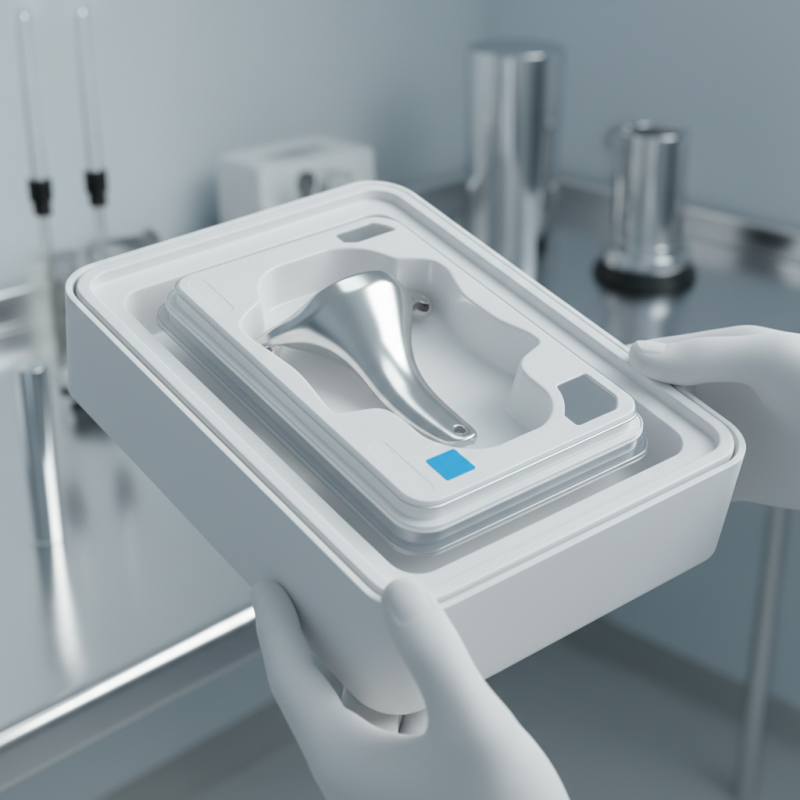
The Importance of Packaging Design in Medical Devices
Packaging design plays a vital role in the safety of orthopedic implants and other medical devices. Effective packaging must protect the product from contamination and damage. It must also provide clear information about the device's usage and proper handling. Many implants are made from materials that require specific storage conditions. Poor packaging can compromise these conditions, leading to product failure.
The challenge lies in balancing protection and usability. Packaging should be easy to open but robust enough to safeguard against environmental factors. Medical professionals need to quickly access the contents during procedures. This urgency demands thoughtful design choices, yet many packages still fall short. Packaging must also comply with strict regulatory standards, which is no easy feat.
In an industry where safety is paramount, every detail matters. Even minor flaws in packaging can lead to serious consequences. Reflection on past mistakes and continuous improvement in design is essential. Manufacturers must engage with healthcare professionals to ensure that packaging meets real-world needs. The design process should be collaborative, drawing on insights from various fields.
Importance of Packaging Design in Medical Devices
Understanding the Risks Associated with Orthopedic Implants
Orthopedic implants play a critical role in patient recovery. However, their
safety is closely tied to effective packaging design.
Improper packaging can cause contamination, damage, or loss of sterility, leading to serious risks during surgery.
Each packaging component must ensure that the implant remains secure and sterile until it is ready for use.
Tips for ensuring packaging safety include:
- Regularly audit packaging materials for integrity and compliance.
- Employ tamper-evident seals that provide visual confirmation of safety.
- Ensure labels are clear and informative, detailing all necessary information, including expiration dates.
The potential for risks is evident. For instance, a compromised seal may allow contaminants to enter.
Once sterility is breached, the implant can pose serious health risks to patients. This
highlights the importance of rigorous testing and validation for packaging designs.
Continuous improvement and feedback from users aid in identifying failures and enhancing safety aspects.
Injuries caused by orthopedic implants can stem from packaging failures.
It’s vital to stay proactive. Scrutinize every aspect of the design. Every decision impacts patient safety, underscoring
the critical nature of thoughtful, precise packaging.
Key Elements of Effective Packaging Design for Implants
Effective packaging design plays a vital role in ensuring the safety of orthopedic implants. It protects the implants from contamination and physical damage. The materials used in packaging must ensure sterility and maintain the integrity of the implant until its point of use. Additionally, clear labeling is essential for proper identification and usage instructions, reducing the risk of errors during surgical procedures.
One important tip for designing implant packaging is to use multi-layer materials. These layers can create a barrier against moisture and bacteria. Also, consider using tamper-evident seals. This adds an extra layer of safety, reassuring medical professionals about the product’s integrity.
Another element is user-friendliness. The packaging should allow for easy opening, especially in critical surgical settings. Complex packaging can frustrate medical staff and waste precious time. It's crucial to test packaging designs in real-life scenarios and gather feedback from users. This iterative process can reveal areas for improvement and enhance overall safety.
Regulatory Standards and Guidelines for Implant Packaging
The packaging design for orthopedic implants must adhere to strict regulatory standards. These guidelines ensure that the implants remain sterile and safe for use during surgical procedures. A failure in packaging can lead to contamination, risking patient safety. Every detail, from materials used to seal integrity, plays a critical role.
Regulatory bodies emphasize guidelines such as ISO 11607, which outlines the requirements for packaging systems. These standards demand that packaging protects against physical damage, moisture, and microbial contamination. In addition to safety, the design must allow for easy opening in sterile environments. Complicated designs can frustrate medical professionals and delay procedures.
Despite these standards, challenges persist. Some packaging may not perform as intended under stress or in varying conditions. Manufacturers must continually evaluate their packaging processes to meet evolving regulations and safety needs. Regular audits and tests are essential to identify weaknesses. Attention to these details can ultimately save lives and enhance surgical outcomes.
Impact of Packaging on Implant Functionality and Patient Safety
Packaging plays a pivotal role in the safety and effectiveness of orthopedic implants. Proper design ensures that these medical devices remain sterile and intact until they reach the operating room. Freshly packaged implants can prevent contamination, which is crucial for patient safety. A compromised package could lead to infections. Therefore, understanding materials and sealing methods is vital.
Moreover, the functionality of an implant can be significantly affected by its packaging. If the protective barrier fails, the implant might become unserviceable. This poses a risk not only during surgery but also in the patient's recovery process. Healthcare professionals need to recognize the importance of accurate labeling and clear instructions. Miscommunication can lead to errors in the surgical procedure.
However, not all packaging solutions are flawless. Some designs may create challenges when opening in sterile environments. Frustration can occur due to difficult-to-open seals. This could delay surgical procedures and impact patient outcomes. Continuous improvement is necessary. Evaluating packaging designs can lead to enhanced safety measures and better overall patient care.
FAQS
: It protects implants from contamination and physical damage. Safety is paramount in surgical environments.
Multi-layer materials create barriers against moisture and bacteria. This ensures sterility until use.
These seals add an extra layer of reassurance for medical professionals. They confirm the product's integrity.
Easy-opening features save time in critical surgical settings. Complex designs can frustrate staff during procedures.
Contamination risks increase, threatening patient safety. Adherence to guidelines is essential for successful outcomes.
ISO 11607 outlines requirements for packaging systems. It ensures protection against damage, moisture, and germs.
Regular audits and real-life testing provide valuable feedback. This helps identify weaknesses and improve safety.
Some designs may fail under stress or in varying conditions. Consistent evaluation is necessary.
User feedback uncovers areas for improvement. This iterative process enhances safety and usability.
Yes, complicated designs can cause delays. This may jeopardize patient outcomes and overall efficiency.
Conclusion
Packaging design is crucial for orthopedic implants safety due to its direct influence on the protection and integrity of these medical devices. The importance of packaging design in medical devices lies in its role in mitigating risks associated with contamination, damage, and misidentification during transportation and storage. Understanding the risks associated with orthopedic implants, including potential complications from compromised sterility, underscores the need for meticulous packaging solutions.
Key elements of effective packaging design encompass materials selection, barrier properties, and user-friendly features, which collectively contribute to maintaining implant functionality and ensuring patient safety. Adhering to regulatory standards and guidelines for implant packaging is essential to safeguard against failures that could jeopardize patient outcomes. Ultimately, the question, "Why is packaging design important for orthopedic implants safety?" highlights its vital function in enhancing the reliability and success of orthopedic procedures.

 WEX Medical