What Training Do Orthopedic Implant Makers Offer in 2026?

Time:2026-10-30 Author:Ethan
0%

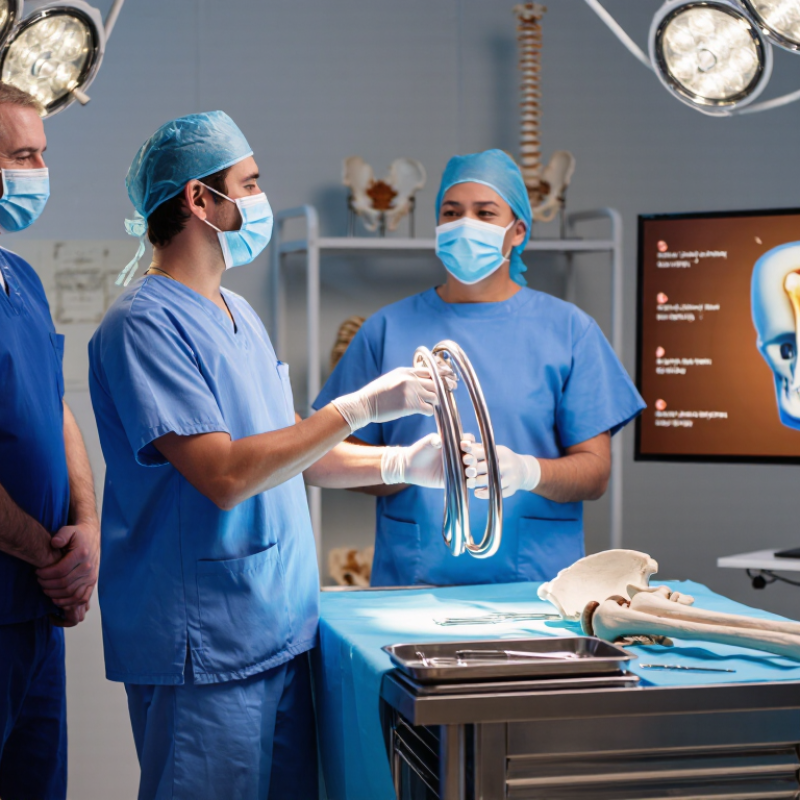
In 2026, orthopedic implant makers may offer training that helps surgeons, operating-room teams, and distributors understand specific devices and their use. What training services do orthopedic implants manufacturers provide? Common options include product demonstrations, anatomy-based workshops, surgical technique sessions, and instruction on instrument preparation. Some programs also use anatomical models or digital simulations, allowing learners to rehearse steps before entering an operating room.

Training often covers more than the implant itself. Participants may review sizing, component compatibility, handling, and the sequence for using dedicated instruments. For example, a workshop might let a surgeon practice positioning a trial component while staff identify the matching instruments on a tray. Practice matters. Programs may also explain device documentation, care instructions, and how to find manufacturer support. Offerings differ by company, product, location, and participant experience, so course details should be checked directly with the provider.

A useful program should identify its instructors, learning goals, and intended audience. It should distinguish product education from independent clinical judgment, and it should not promise better patient outcomes simply because someone attended. Details vary. A simulation can build familiarity, but it cannot reproduce every challenge of real surgery. That limitation deserves attention. When comparing training, readers can look for clear materials, opportunities to ask questions, and follow-up resources for the specific implant system. This overview examines those formats and explains what learners can reasonably expect from manufacturer-led education in 2026.
What Training Do Orthopedic Implant Makers Offer in 2026?

Types of Training Offered by Orthopedic Implant Manufacturers

Orthopedic implant manufacturers offer training in product design, surgical technique, and safe device handling. Product sessions may explain implant materials, sizing options, instrumentation, and how components fit together. A trainer might lay out a tray and show how each instrument supports a specific step. Practical details matter.

Surgical technique education can include demonstrations, case discussions, and hands-on practice with bone models or simulators. These sessions help clinicians rehearse implant positioning and instrument use before working with a patient. Simulation has limits, though. A polished demonstration can make a procedure look easier than it feels in a real operating room.

Training may also cover operating-room workflows, instrument setup, device tracking, and troubleshooting common equipment issues. Nurses and technicians often need different details than surgeons, so role-specific instruction can be useful. Manufacturers may provide in-person workshops, online modules, or remote sessions; availability and depth vary. Some programs include follow-up resources, such as procedural guides or recorded lessons. Clinicians should check whether materials are current and relevant to their practice.

Training supports preparation, but it does not replace clinical judgment, institutional protocols, or supervised experience. A gap remains when brief courses cannot address every variation in patient anatomy or team workflow.

Core Product and Implant System Education

What Training Do Orthopedic Implant Makers Offer in 2026?

Core Product and Implant System Education

Core product education helps clinical teams understand how an implant system works, not just what each component is called. The 2024 American Joint Replacement Registry Annual Report documents more than 3.1 million hip and knee procedures. That scale makes consistent system knowledge important. Training can cover implant indications, component options, sizing, surgical instruments, and how parts fit together. Small differences matter. A cup, liner, or screw may look familiar but work differently across systems.

Useful sessions connect product details to the operating-room workflow. Teams can practise identifying components, checking instrument trays, and following the manufacturer’s instructions for use. Training should also explain compatibility limits and what to do when a component or instrument is missing. The WHO’s 2024 Global Patient Safety Report estimates that around one in ten patients experiences harm in healthcare; it notes that much of this harm is preventable. Product education cannot prevent every error, but clear, practical instruction can support safer routines. Even experienced teams can overlook a small system difference. That gap deserves attention.

Tips: Use labelled component samples and a physical instrument tray, not slides alone. Ask learners to explain their choices aloud, then review any uncertainty against the current instructions for use. Practice the full sequence.

Surgical Technique and Instrumentation Training

In 2026, surgical technique and instrumentation training helps orthopedic teams rehearse each step before entering the operating room. Sessions often use anatomical models, practice implants, and instrument trays arranged as they would be during a procedure. Good instruction explains not only what to do, but why a particular sequence matters.

Participants can practice positioning guides, checking alignment, and handling instruments without rushing. Small details matter. A misplaced component can disrupt the workflow. Not glamorous, but important.

Training should also cover instrument names, assembly, safe handling, and cleaning requirements, alongside the surgical steps. Educators can demonstrate a technique, then let participants repeat it and discuss where their movements felt uncertain. A useful session includes time for questions, realistic scenarios, and feedback from qualified clinical educators.

Still, a model cannot reproduce every variation in anatomy or the pressure of a live case. A gap remains. Teams should treat practice as preparation, not a substitute for clinical judgment, supervised experience, or the facility’s approved procedures.

Clear checklists and calm communication can make training more useful when instruments change or a step needs reconsideration.

Safety, Sterilization, and Regulatory Compliance Training

Orthopedic implant makers often train clinical and production teams on safe handling, sterile processing, and compliance documentation. A session may use a sample implant tray to show how to inspect seals, identify damage, and keep sterile items separate from contaminated surfaces. Small details matter. Staff learn to follow the device’s validated instructions rather than relying on memory or habits from another product.

Sterilization training can cover cleaning steps, packaging, load configuration, cycle monitoring, and recordkeeping. Trainees may review indicators and practice documenting a cycle before materials are released for use. The exact process depends on the device, facility equipment, and applicable requirements. A training certificate alone does not prove that a process is being followed correctly. That gap matters. Teams need periodic refreshers and clear escalation steps when a package is wet, torn, or missing required records.

Regulatory compliance sessions typically explain traceability, labeling, complaint reporting, and controlled changes to procedures. Staff might practice matching an implant’s lot information to its accompanying records. This is practical work, not just policy review. Still, training can become too generic, and that is worth questioning. Manufacturers and facilities should check whether examples reflect real workflows, document competency, and revise materials when approved instructions or requirements change. Practice changes habits, but only when teams receive feedback.

Continuing Education and Competency Assessment for 2026

In 2026, orthopedic implant training often combines online learning with practical sessions. Courses may explain implant design, instrument handling, imaging, and procedure-specific workflows. Surgeons, operating-room staff, and sterile-processing teams need different skills, so useful programs tailor practice to each role. A technician might rehearse instrument checks, while a surgeon practices placement on a model. Small details matter.

Continuing education works best when it reflects current clinical practice and includes clear learning objectives. Competency assessment can use observed instrument setup, simulated scenarios, and brief knowledge checks. A certificate alone does not show how someone performs under pressure. Assessors should give specific feedback, such as correcting hand positioning or identifying a missed tray item. Training should also explain when to pause and seek guidance. Still, simulations cannot reproduce every variation in real surgery, and that limitation deserves honest discussion.

Tips: Keep a dated record of courses and skills assessed. Ask for hands-on practice, not only slides. Revisit procedures after device or workflow changes, and flag any uncertainty before a case.

FAQS

What training do orthopedic implant manufacturers offer?

Training may cover product design, materials, sizing, surgical techniques, and instrument handling. Some sessions use a sample tray.

How do teams practice surgical techniques?

Clinicians may rehearse with bone models, simulators, or practice implants. They can check alignment and repeat instrument steps. It helps, but models have limits.

What should instrument training include?

It should explain instrument names, assembly, safe handling, and cleaning requirements. Participants can practice each step and discuss uncertain movements. Small details matter.

Do surgeons, nurses, and technicians need the same training?

Not always. Surgeons may focus on technique, while nurses and technicians may need setup, tracking, or workflow guidance.

What safety and sterilization topics may be covered?

Sessions may cover inspecting seals, separating sterile items, cleaning, packaging, cycle monitoring, and recordkeeping. A torn package needs attention.

How is device traceability taught?

Staff may practice matching an implant’s lot information with its records. They can also review labeling and complaint-reporting processes.

Are online courses enough to prepare a clinical team?

Online modules can provide useful instruction, but availability and detail vary. They may not reflect every local workflow or patient variation.

How can teams keep training useful over time?

Teams can use refreshers, checklists, and feedback, then review whether materials remain current. A certificate alone is not proof of consistent practice.

Conclusion

In 2026, orthopedic implant manufacturers offer training designed to help healthcare professionals understand implant systems and use them confidently in clinical settings. What training services do orthopedic implants manufacturers provide? Common programs cover core product knowledge, implant design and components, system selection, and the intended use of different devices. This foundation helps participants become familiar with product features and how implants fit into broader treatment workflows.

Training may also include surgical technique instruction and practical guidance on instruments, setup, handling, and procedural steps. Safety topics can address appropriate device handling, sterilization processes, and relevant regulatory and institutional requirements. To support ongoing learning, manufacturers may provide continuing education, updated materials, and competency assessments that help clinicians refresh their knowledge as products and practices evolve. These programs should complement professional judgment and established clinical protocols, supporting consistent, informed use of orthopedic implants throughout a healthcare team.

Ethan

Ethan

Ethan is a seasoned marketing professional with a deep expertise in our company's innovative product line. With a passion for sharing knowledge and insights, he takes the lead in regularly updating our corporate blog, where he explores industry trends, product features, and effective marketing......