Top 10 Reasons Packaging Design Matters for Orthopedic Implants Safety?

Time:2026-08-21 Author:Madeline
0%

Packaging design plays a crucial role in the safety of orthopedic implants. The importance of packaging design cannot be overstated. It directly impacts how implants are received, stored, and ultimately used in surgical procedures. Healthcare professionals rely on these packages to protect the implants during transportation.

Why is packaging design important for orthopedic implants safety? The right design minimizes risks of contamination and damage. Effective packaging ensures that products remain sterile until the moment of use. Additionally, clear labeling provides essential information about the implant, guiding surgeons in making informed decisions.

However, not all packaging is created equal. Flaws in design can lead to critical failures, putting patient safety at risk. Design should always consider user experience, balance between protection and ease of access. Continuous improvement and feedback loops are necessary to enhance packaging solutions. This focus on safety and usability can save lives and improve surgical outcomes.
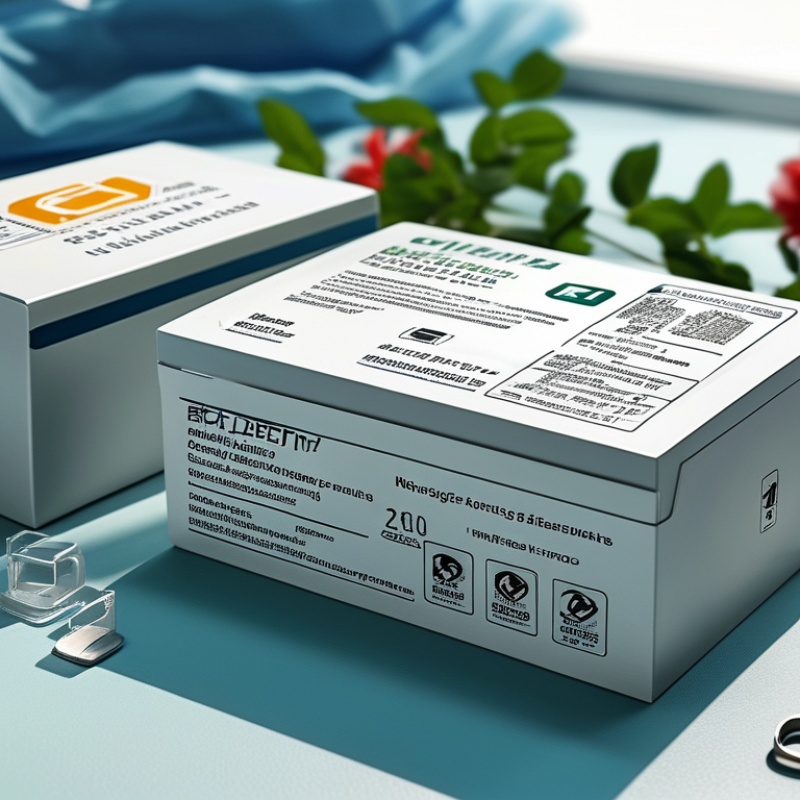
Top 10 Reasons Packaging Design Matters for Orthopedic Implants Safety?

Importance of Packaging Design in Orthopedic Implant Safety

Packaging design plays a critical role in ensuring the safety of orthopedic implants. According to a report by the World Health Organization, properly designed packaging can reduce contamination risk by up to 30%. When implants are packaged correctly, it minimizes their exposure to harmful elements. This is crucial for patient safety.

Clarity in packaging labeling is vital. Information such as sterilization dates and handling instructions must be easy to read. Poorly designed labels can lead to confusion, increasing the likelihood of improper use. Research shows that clear labeling reduces error rates in hospitals by approximately 25%.

Tip: Always ensure that your packaging materials are compatible with sterilization methods. Certain plastics cannot withstand high temperatures, which may compromise safety.

Another essential aspect is the structural integrity of the packaging. If the packaging fails during transport, it can jeopardize the implants inside. A report by the Food and Drug Administration indicates that 15% of recalls are due to damaged packaging.

Tip: Regularly test packaging for durability under various conditions. Understanding the stressors during shipping can help prevent failures.

By focusing on thoughtful packaging design, manufacturers can enhance safety and trust in orthopedic implants.

Top 10 Reasons Packaging Design Matters for Orthopedic Implants Safety

Impact of Material Selection on Packaging Integrity

In orthopedic implants, the integrity of packaging is crucial for safety. The right material selection can greatly affect packaging durability. High-quality materials provide better barrier properties. These properties protect against moisture, light, and contaminants. Inadequate materials can lead to compromised implant quality. This raises serious safety concerns for patients.

Choosing the right material involves assessing the specific requirements of the implant. Consider factors like shelf life, temperature fluctuations, and exposure to sterilization processes. Some materials are more resistant to sterilization methods than others. This choice impacts not just safety but also product performance. Manufacturers should regularly evaluate their materials against emerging standards.

Investing in robust packaging designs is not only a regulatory requirement but also an ethical duty. Keep in mind that transparency is vital. In case of a failure, understanding the material's performance can lead to critical insights. Continuous improvement and feedback mechanisms are essential for enhancing product safety. Some companies might overlook this step, which can lead to risks. Prioritizing material selection and testing can greatly enhance overall safety in the orthopedic field.

Top 10 Reasons Packaging Design Matters for Orthopedic Implants Safety

Reason Impact on Safety Material Consideration Compliance Requirement
Protection Against Contamination Reduces infection risk Use of barrier materials FDA regulations
Mechanical Integrity Prevents damage during transport Selection of robust materials ISO standards
Traceability Facilitates recalls if needed Labeling and serialization Regulatory requirements
User Interface Ease of use for healthcare providers Intuitive design materials Safety compliance
Environmental Factors Sustainability and safety Biodegradable materials Environmental regulations
Cost Efficiency Reduces overall production costs Optimal material choices Budget compliance
Aesthetic Appeal Enhances branding Visual design elements Marketing compliance
Regulatory Compliance Ensures market access Material certifications International standards
Shelf Life Management Maintains product efficacy Barrier properties of materials Storage regulations
Innovation and Technology Improves safety features Advanced material science Compliance with tech standards

Role of Clear Labeling in User Understanding and Safety

Effective packaging design in orthopedic implants directly influences user safety and understanding. Clear labeling plays a pivotal role in conveying essential information to healthcare professionals. Inaccurate or unclear packaging can lead to serious consequences. Every detail matters. Labels should clearly outline product specifications, usage instructions, and any potential risks. This ensures that medical staff can make informed decisions during surgeries.

Proper labeling reduces the chances of errors. It also enhances efficiency. Healthcare professionals can quickly grasp vital information—saving precious time in critical situations. Packaging that includes visual aids can help, especially when addressing diverse user needs. Visual cues are essential for those who might struggle with complex terminology.

Consider testing your packaging on a small group of users. Gather feedback on clarity and design. Reflect on how improvements can lead to better safety outcomes. Make adjustments based on real-world use, not just theoretical models. Strive for simplicity in design without compromising necessary details. This balance is key to effective packaging in orthopedic implants.

Compliance with Regulatory Standards in Packaging Design

Packaging design plays a critical role in the safety of orthopedic implants. Compliance with regulatory standards is essential in ensuring that these devices are safe for patient use. According to the Global Medical Device Nomenclature (GMDN), packaging must meet specific criteria to prevent contamination and ensure traceability. The FDA mandates strict guidelines detailing materials and labeling requirements.

Poor packaging can compromise device sterility, increasing infection risks. A study published in the Journal of Biomedical Materials Research highlighted that up to 30% of orthopedic implant failures are linked to packaging defects. This statistic emphasizes the need for robust design protocols. Implementing rigorous testing and validation processes can significantly enhance safety and reliability.

However, challenges persist. Packaging materials must balance durability and biocompatibility. Many companies struggle to meet these criteria while also ensuring cost-effectiveness. Continuous updates to regulations mean ongoing education is vital for packaging engineers. Staying informed can help companies avoid costly recalls and ensure compliance, ultimately impacting patient safety.

Influence of Packaging on Sterilization and Shelf Life of Implants

Packaging design plays a critical role in the safety of orthopedic implants, particularly regarding sterilization and shelf life. Effective packaging ensures that implants remain sterile until they are ready for use. The materials used should have barrier properties to prevent contamination. Imperfect seals can compromise sterility, leading to serious health risks.

Moreover, the design must withstand various sterilization processes, such as ethylene oxide or gamma radiation. Each method has specific requirements for temperature and exposure time, which can affect the integrity of the packaging. Subpar designs may lead to degradation of both the implant and the packaging itself.

Shelf life is another essential consideration. The chosen materials must resist wear and tear, moisture, and light exposure. Packaging should clearly display expiration dates to avoid the use of compromised implants. Any errors in this aspect could result in catastrophic outcomes. Continuous evaluation and improvement of packaging design are needed to address these ongoing challenges.

FAQS

: Why is clear labeling important in orthopedic implants?

: Clear labeling helps convey essential information to healthcare professionals, improving user safety and understanding.

What are the consequences of inaccurate packaging?

Inaccurate packaging can lead to serious errors during surgeries, compromising patient safety.

How does proper labeling enhance efficiency?

Proper labeling allows healthcare professionals to quickly grasp vital information, saving time in critical situations.

What role do visual aids play in packaging?

Visual aids help users understand complex terms, especially those who may struggle with written instructions.

How can companies test their packaging designs?

Companies can test designs on small user groups to gather feedback on clarity and functionality.

What is the impact of poor packaging on orthopedic implants?

Poor packaging can compromise device sterility, increasing the risk of infections post-surgery.

Why is compliance with regulatory standards crucial?

Compliance ensures that orthopedic implants are safe for patient use and helps prevent contamination.

What challenges do companies face in packaging design?

Companies often struggle to balance durability, biocompatibility, and cost-effectiveness in packaging materials.

How can ongoing education benefit packaging engineers?

Continuous education helps packaging engineers stay informed about regulatory updates, preventing costly recalls.

What is a potential reflection on packaging improvements?

Companies should reflect on how simple design changes can lead to significant safety outcomes for patients.

Conclusion

The significance of packaging design in orthopedic implants safety cannot be overstated. Firstly, the choice of materials used in packaging directly affects the integrity of the implant, ensuring protection against contamination and damage. Moreover, clear labeling plays a crucial role in user understanding, allowing healthcare professionals to identify products easily and facilitating proper usage, which is vital for patient safety.

Additionally, compliance with regulatory standards is essential in packaging design to guarantee that all safety protocols are met. Furthermore, effective packaging influences the sterilization process and extends the shelf life of implants, which is paramount in medical settings. Overall, understanding "why is packaging design important for orthopedic implants safety" highlights its multifaceted impact on healthcare outcomes and patient well-being.

Madeline

Madeline

Madeline is a dedicated marketing professional with a wealth of expertise in our company's core offerings. With a keen understanding of the industry, she brings a unique perspective to her role, consistently delivering high-quality content that highlights the superior aspects of our products. As......