The orthopedic implant market has seen remarkable growth. In 2021, it was valued at over $48 billion and is expected to reach $66 billion by 2028. This growth presents opportunities and challenges for manufacturers. A key aspect of this industry is the preparation of pre-order samples. Knowing "how to prepare pre-order samples for orthopedic implants" is crucial for success.
Effective sample preparation ensures that healthcare professionals can assess implant designs before making purchasing decisions. Each sample must reflect the final product's quality and functionality. However, many companies overlook the importance of detailed specifications and testing processes. Inadequate preparation can lead to increased returns and dissatisfied customers.
Attention to detail is vital. Companies should consider material properties, size dimensions, and compatibility with existing surgical tools. Even small discrepancies can affect surgical outcomes. A robust strategy is required to refine sample preparation methods continually. Manufacturers that prioritize these factors will likely excel in this competitive landscape, ultimately leading to better patient outcomes.
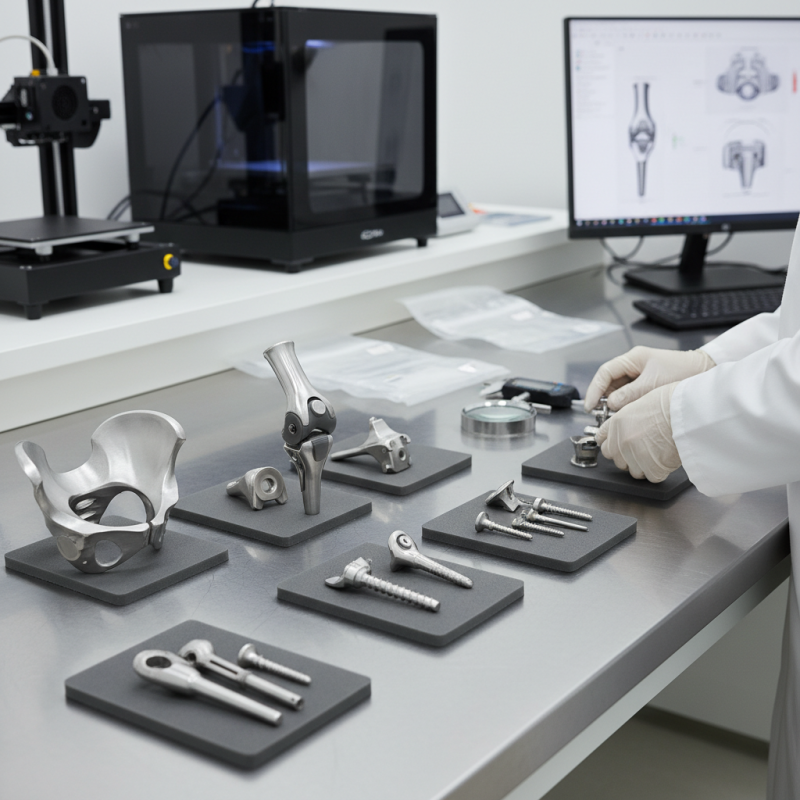
Preorder samples are crucial for orthopedic implants. They allow surgeons to assess the fit, size, and quality before actual surgery. A successful implant can significantly improve a patient’s quality of life. If the sample does not meet expectations, changes can be made early. This reduces risks during surgery and enhances outcomes.
When preparing preorder samples, communication is key. Engage with surgeons to understand their specific needs. Ask about size preferences and any unique requirements. This helps ensure the samples align with expectations. Always document feedback from medical professionals. It provides essential insights for future improvements.
Tip: Consider sending multiple sample sizes. This helps surgeons visualize options. It also assists in making informed decisions. Another idea: use 3D printing for prototypes. This technology provides a tangible view of potential implants. It can bridge the gap between concept and reality, yet it requires careful evaluation and adjustment based on feedback received.
When preparing preorder samples for orthopedic implants, it's crucial to understand the key criteria for selection and preparation. Quality assurance is a primary factor. Research shows that 65% of healthcare professionals prioritize materials that meet stringent biocompatibility standards. Using high-grade materials can prevent complications and enhance patient outcomes.
Another vital criterion is the sizing and customization of implants. Data from recent studies reveal that 70% of surgeons prefer samples that offer personalized fitting options. This approach can significantly reduce surgery time and increase overall satisfaction. Yet, many samples fail to demonstrate these qualities adequately, leading to wasted resources and unmet expectations.
Furthermore, documentation is often overlooked. Inadequate records can lead to confusion and miscommunication among stakeholders. A survey indicated that 50% of manufacturers face challenges due to poor documentation practices. Investors and healthcare providers need precise details to validate sample integrity and performance. Improving these aspects is essential for moving forward in the orthopedic field.
Preparing orthopedic implant samples for preorder can be a meticulous process. Ensuring accuracy and compliance with industry standards is crucial. Start by conducting thorough research on the latest regulatory requirements. The FDA and ISO 13485 are key guidelines in this field. Neglecting these can lead to costly setbacks. Reports indicate that 30% of new orthopedic product submissions fail due to noncompliance.
Compile a comprehensive list of required materials and specifications. Make sure to include dimensions, materials used, and intended usage. Create prototypes that reflect these criteria closely. Testing these samples for functionality and safety is essential. Remember, a lack of thorough testing can lead to serious risks.
Tips: Always document every step. This not only aids in regulatory reviews but also improves clarity for future revisions. Engage with healthcare professionals early. Their insights can refine your design and ensure it meets clinical needs. Stay open to feedback, even if it feels daunting. If early prototypes highlight flaws, view this as an opportunity for improvement.
When preparing preorder samples for orthopedic implants, quality control is crucial. It ensures that each component meets medical standards. One key measure involves thorough documentation of each sample. This includes material certifications and manufacturing processes. Each document should be precise and clear, as errors may lead to significant issues later.
Visual inspections are another essential control measure. Examining samples under various lighting can reveal flaws. Even minor defects can affect performance. Relying solely on automated processes might overlook these discrepancies. Therefore, human eyes play a critical role in identifying potential problems.
Testing the samples meticulously is vital. Mechanical and biological testing under simulated conditions can show how implants will perform. However, it's often challenging to replicate real-life scenarios. Some tests might not cover all variables. This can lead to unexpected results in actual use. Continuous evaluation and feedback loops can enhance these processes and improve overall quality control.
| Sample ID | Implant Type | Material | Manufacturing Date | QC Status |
|---|---|---|---|---|
| 001 | Total Hip Replacement | Titanium Alloy | 2023-01-15 | Passed |
| 002 | Knee Implant | Cobalt Chrome | 2023-02-10 | Passed |
| 003 | Spinal Implant | PEEK Plastic | 2023-03-05 | Pending |
| 004 | Shoulder Implant | Titanium Alloy | 2023-04-12 | Failed |
Documenting and presenting preorder samples for orthopedic implants involves several key practices. Accuracy is crucial. Each sample should have clear labels. Include dimensions, materials, and any special features. Use concise descriptions that avoid technical jargon. This makes it easier for all stakeholders to understand. Visual aids, such as clear photographs, enhance comprehension. Good visuals can make a significant difference.
Reflection on the process is equally important. After preparing samples, consider their presentation. Are they easy to access? Do they allow for a straightforward comparison? Look for ways to improve. Feedback from team members can be invaluable. They may identify details that were overlooked. Always strive for clarity and simplicity in your documentation.
Moreover, consider adding a section for questions. This can prompt more thorough discussions during meetings. Anticipate which aspects might confuse viewers. Tackling these areas preemptively can lead to more productive outcomes. Overall, effective documentation is not just about information—it’s about understanding and communication.
: Quality assurance is crucial. 65% of healthcare professionals focus on biocompatibility standards.
70% of surgeons prefer customized options. This can reduce surgery time and improve satisfaction.
Inadequate records can cause confusion. 50% of manufacturers report challenges from bad documentation practices.
Visual inspections reveal flaws that tests might miss. Minor defects can significantly affect performance.
Testing predicts how implants perform under conditions. Some tests might not cover all real-life variables.
Accuracy is key. Clear labels and concise descriptions help stakeholders understand easily.
Good visuals, like clear photographs, enhance comprehension. They make information more accessible.
Reflecting on the process helps identify areas for improvement. Feedback is invaluable for clarity.
It encourages discussions and clarifies confusing aspects, leading to better outcomes.
Effective documentation should enhance understanding and communication among all stakeholders.
In the process of developing orthopedic implants, understanding "how to prepare pre-order samples for orthopedic implants" is crucial. Pre-order samples play a significant role in ensuring the quality and effectiveness of the final product. The selection and preparation of these samples require careful consideration of key criteria such as material properties, design specifications, and patient needs.
A comprehensive step-by-step guide is essential for preparing these samples, which includes sourcing appropriate materials, crafting the implants with precision, and executing thorough quality control measures to verify their integrity. Furthermore, documenting and presenting pre-order samples effectively can significantly enhance communication with stakeholders, ultimately leading to successful outcomes in orthopedic implant development. Best practices in this arena ensure that the samples not only meet rigorous standards but also fulfill the precise requirements of the medical community.

WEX Medical