Top 10 Tips to Prepare Pre Order Samples for Orthopedic Implants?

Time:2026-07-17 Author:Aria
0%

In the rapidly evolving field of orthopedic implants, preparing pre-order samples is critical for success. Dr. Emily Carter, a leading expert in orthopedic device design, once stated, "The quality of the pre-order samples can make or break a product launch." This emphasizes the importance of careful preparation.

When considering how to prepare pre-order samples for orthopedic implants, one must focus on detail. Each sample should reflect the implant's final design accurately. Pay attention to material choices and manufacturing processes. A strong sample can enhance credibility with clients and stakeholders. However, it's essential to recognize that imperfections may arise during this process. Continuous refinement and feedback are crucial.

Moreover, the timeline for sample preparation can impact overall project success. Delays may lead to missed opportunities. Clear communication within teams is vital. Engaging with surgeons and end-users early on can offer invaluable insights. Understanding their needs helps in refining the samples. In this competitive space, any oversight can have significant consequences. Proper planning and execution are key to delivering high-quality orthopedic implants.
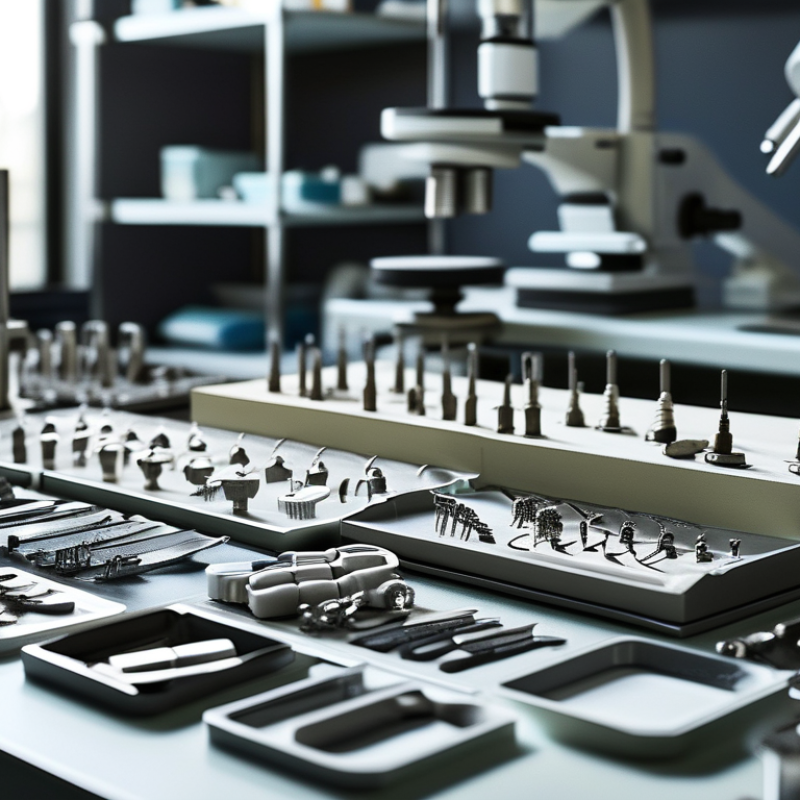
Top 10 Tips to Prepare Pre Order Samples for Orthopedic Implants?

Understanding Pre Order Samples for Orthopedic Implants

Understanding pre-order samples for orthopedic implants is critical in the medical field. Pre-order samples allow surgeons to assess the fit and function of the implants before surgery. According to market research, about 65% of orthopedic surgeons prefer to evaluate physical samples before choosing implants. This ensures that the selected devices meet patient-specific requirements.

The importance of accurate pre-order samples cannot be understated. They need to reflect the final product in terms of sizing and materials. A report from the Orthopedic Research Society highlights that discrepancies between samples and final products can lead to surgery delays or complications. These issues can result in increased costs and dissatisfaction among patients and healthcare providers alike. Therefore, a detailed understanding of the process is essential for manufacturers.

However, challenges remain in the pre-order sample process. Logistic hurdles can delay the delivery of these samples. Additionally, the communication between manufacturers and healthcare professionals can sometimes be unclear. Such flaws can compromise the efficiency of the pre-operative planning phase. Addressing these gaps requires ongoing collaboration and feedback within the orthopedic community.

Top 10 Tips to Prepare Pre Order Samples for Orthopedic Implants

Identifying Key Materials and Specifications for Samples

When preparing pre-order samples for orthopedic implants, identifying key materials is crucial. Common materials include titanium, stainless steel, and biocompatible polymers. Each has unique properties that impact durability and patient safety. Titanium, for example, is lightweight yet strong, making it ideal for load-bearing implants. Stainless steel is also common but can corrode, which may affect long-term implant performance.

Specifications for samples must be detailed. Pay attention to dimensions, surface finish, and mechanical properties. For instance, the roughness of the implant surface can influence bone integration. It’s vital to consider the tolerances during the manufacturing process. A variance of even a few microns might lead to poor fit or function.

Documentation can often be a neglected area. Accurate records ensure compliance and quality assurance. Include detailed descriptions of each sample, highlighting any limitations or potential issues encountered. For example, if a batch shows variability in strength, it should be noted. This reflection builds trust with orthopedic professionals and regulatory bodies.

Establishing Quality Control Standards in Sample Preparation

Establishing quality control standards in sample preparation for orthopedic implants is crucial. According to the FDA, about 10% of medical devices can have quality issues. Identifying potential problems early can prevent costly recalls. Each sample should undergo rigorous testing to meet established specifications.

A report from the Orthopedic Device Association indicates that implants must pass structural integrity tests. Compliance with ISO standards is essential for ensuring safety and effectiveness. Quality checks should be systematic and consistent. Maintain a meticulous record of each sample’s manufacturing process.

It is important to reflect on past shortcomings in quality assurance. Some companies face challenges in maintaining uniformity across samples. Regular audits can help identify gaps in the process. Small errors can accumulate, leading to significant issues. Investing time in refining quality control mechanisms can yield better outcomes in the long run.

Top 10 Tips to Prepare Pre Order Samples for Orthopedic Implants - Establishing Quality Control Standards in Sample Preparation

Tip No. Tip Description Importance Expected Outcome
1 Define clear specifications for samples High Ensures samples meet necessary requirements
2 Use certified materials Medium Reduces risk of material failure
3 Maintain cleanliness during preparation High Prevents contamination of samples
4 Document all procedures followed High Ensures traceability and accountability
5 Perform quality checks pre- and post-production High Identifies issues early
6 Engage with experts in orthopedic implant requirements Medium Enhances quality and compliance
7 Accurate labeling and documentation High Facilitates better organization and retrieval
8 Ensure proper packaging for transport High Protects samples from damage
9 Test samples under realistic conditions High Validates performance and reliability
10 Collect feedback from healthcare professionals Medium Improves future sample iterations

Organizing Effective Communication with Suppliers and Manufacturers

Effective communication with suppliers and manufacturers is crucial when preparing pre-order samples for orthopedic implants. Clarity is key. When discussing requirements, use simple and precise language. This ensures all parties understand what is needed. Be specific about materials, dimensions, and design specifications. A well-defined request minimizes misunderstandings and enhances collaboration.

Regular updates foster transparency. Schedule check-ins to discuss progress and address questions. Utilize digital tools to share files and feedback in real-time. This approach streamlines the process and reduces errors. However, over-communication can also lead to confusion. Finding the right balance is essential. It may take some trial and error to determine the best method.

Building strong relationships with your suppliers can lead to better results. Trust is developed through consistent and honest communication. Share your goals and challenges openly. This can encourage suppliers to provide insights or suggestions. When both parties are aligned, the likelihood of receiving high-quality samples increases. Emphasizing collaboration nurtures a more productive working environment.

Documenting and Reviewing Sample Feedback for Future Improvements

When preparing pre-order samples for orthopedic implants, documenting and reviewing feedback is crucial. This process ensures continuous improvement. Collecting feedback from surgeons and medical staff provides valuable insights. Their firsthand experiences can highlight successes and areas needing attention. It's vital to create a structured feedback form. This form can include questions about usability, comfort, and effectiveness.

Review sessions should be held regularly. In these sessions, teams can discuss the feedback received. It’s important to address both positive comments and criticisms. This balanced approach leads to meaningful changes in future samples.

Teams should focus on recurring issues. Identifying patterns in feedback can reveal significant insights. Reflection on this feedback promotes growth and innovation.

Additionally, not all feedback will be easy to digest. Some may point out oversights that were previously unnoticed. It’s essential to approach these critiques with an open mindset. Learning from these reflections can build a stronger foundation for future product development. Embrace the imperfections in the process, as they pave the way for improvement.

FAQS

: Why are pre-order samples important for orthopedic implants?

: Pre-order samples allow surgeons to evaluate the fit and function of implants before surgery, ensuring patient-specific needs are met.

What challenges exist in the pre-order sample process?

Logistics can delay sample delivery. Communication gaps between manufacturers and healthcare professionals can also hinder efficiency.

How can discrepancies between samples and final products affect surgery?

Discrepancies can lead to surgical delays or complications, increasing costs and patient dissatisfaction.

What role does quality control play in sample preparation?

Quality control ensures samples meet specifications, helping to prevent potential issues and costly recalls.

How can effective communication improve the sample preparation process?

Clear and precise communication minimizes misunderstandings and fosters better collaboration between teams.

What should be included in requests for pre-order samples?

Be specific about materials, dimensions, and design specifications to avoid confusion and errors.

How can regular updates benefit communication with suppliers?

Offering regular updates promotes transparency and allows for timely discussions about progress and questions.

What can happen if there is over-communication with suppliers?

Over-communication can cause confusion, so finding a balance is essential for effective collaboration.

How can building strong supplier relationships improve sample quality?

Trust and open communication help suppliers align with your goals, leading to better quality samples.

What reflection is needed regarding quality assurance practices?

It's essential to recognize past shortcomings and continuously work on refining quality control mechanisms.

Conclusion

Preparing pre-order samples for orthopedic implants is a crucial step that involves several key considerations. First, it's essential to understand the specific requirements of these samples by identifying the necessary materials and specifications that meet clinical and regulatory standards. Additionally, establishing quality control standards during the sample preparation process ensures that the final products are reliable and safe for use.

Effective communication with suppliers and manufacturers is another vital aspect of how to prepare pre-order samples for orthopedic implants. This helps in aligning expectations and clarifying any specifications required. Lastly, documenting and reviewing feedback on the samples post-evaluation provides valuable insights that can lead to future improvements, ensuring that the samples not only meet but exceed standards in quality and performance.

Aria

Aria

Aria is a dedicated marketing professional with a deep passion for innovative strategies and a keen understanding of our company's product offerings. With a wealth of experience in the industry, Aria excels at crafting engaging content that highlights the unique features and benefits of our......