5 Best Tips for Importing Orthopedic Implants to Europe?

Time:2026-09-10 Author:Oliver
0%

Importing orthopedic implants into Europe is not merely a logistics exercise. It is a controlled medical-device process involving evidence, traceability, and patient safety. MedTech Europe’s Facts & Figures 2024 estimates Europe’s medical technology market at approximately €170 billion, with more than 930,000 products available. This scale creates opportunity, but it also increases regulatory scrutiny for implantable devices.

Not every shipment begins at the port. Under Regulation (EU) 2017/745, commonly called the Medical Devices Regulation, manufacturers must establish conformity before placing products on the European market. Many orthopedic implants require notified-body involvement, clinical evidence, technical documentation, post-market surveillance, and appropriate CE marking. Non-EU manufacturers also need an authorised representative, while importers must verify documentation, registration details, labelling, and storage conditions. These duties are practical. A damaged sterile barrier or missing UDI information can delay a hospital delivery.

So, what are the import regulations for orthopedic implants in Europe? The answer depends on classification, intended use, implant duration, and country-specific supply arrangements. The European Commission’s MDR guidance and EUDAMED updates remain essential reference points, especially during ongoing implementation changes. However, regulatory databases and guidance can evolve. A checklist may still miss a supplier’s weak clinical justification. That is why experienced importers review certificates, declarations, packaging, and complaint procedures together, rather than treating CE marking as the entire solution.

This guide presents five practical tips for importing orthopedic implants responsibly. It focuses on supplier qualification, MDR compliance, customs preparation, traceability, and post-market oversight. The goal is simple: fewer surprises, safer products, and documentation that withstands professional review.
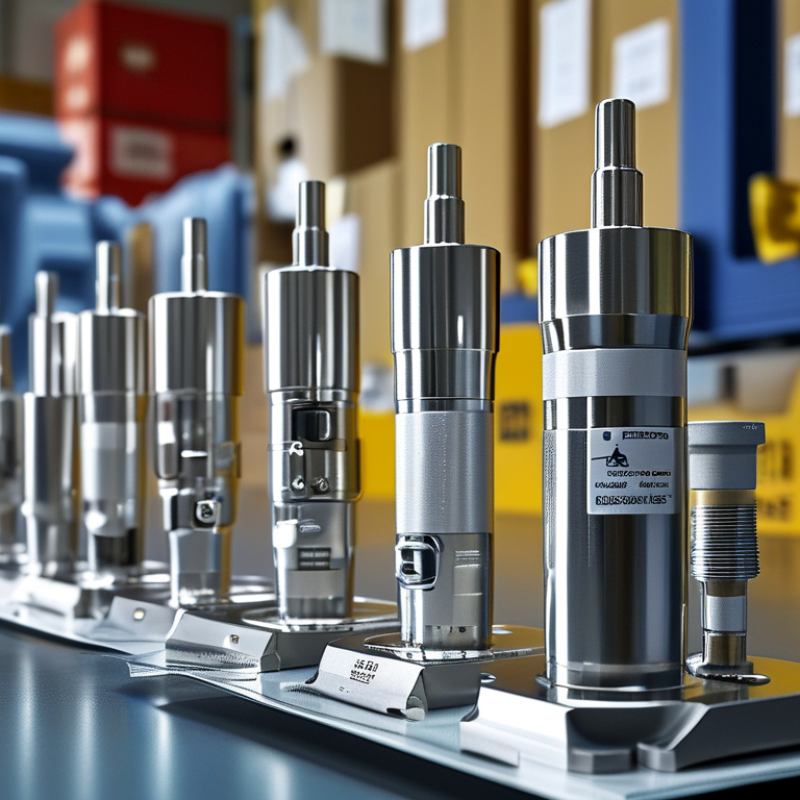
5 Best Tips for Importing Orthopedic Implants to Europe?

Define the Orthopedic Implant Classification and Intended European Market

5 Best Tips for Importing Orthopedic Implants to Europe

Define the implant before planning its route. Under the EU Medical Device Regulation, classification depends on intended purpose, invasiveness, duration, and risk. Many orthopedic implants fall into Class IIb or Class III, but classification is not automatic. A fixation screw and a joint replacement may face very different conformity requirements. The product’s labeling, surgical instructions, and technical file must tell the same story. Small wording changes can affect the classification.

Tip: Write the intended purpose in one precise sentence.

For example, specify the anatomical site, patient population, surgical use, and implant duration. Then identify the exact European market. The EU, European Economic Area, Switzerland, and the United Kingdom follow different regulatory pathways. An importer should verify the applicable route, language requirements, authorized representative details, and device registration duties. CE marking alone is not a complete import strategy. The importer must also check packaging, UDI information, storage conditions, and traceability records.

Tip: Review the supply chain like an auditor.

Request the declaration of conformity, certificate details, risk-management evidence, clinical evaluation, and post-market surveillance procedures. Check whether the certificate covers the exact model and intended use. I have seen teams rely on an outdated classification assumption. That mistake can delay customs clearance and hospital acceptance. Keep a written decision log, even when the answer seems obvious. Also confirm that transport conditions protect sterile barriers and implant packaging. A perfect technical file is not enough if the product arrives damaged.

5 Best Tips for Importing Orthopedic Implants to Europe

Define the Orthopedic Implant Classification and Intended European Market

Under Regulation (EU) 2017/745, implantable orthopedic devices are generally Class IIb under Rule 8, while joint-replacement implants such as hip, knee, and shoulder replacements are Class III. Class III devices require the highest level of conformity assessment and clinical evidence.

The European Economic Area consists of 30 countries: the 27 EU Member States plus Iceland, Liechtenstein, and Norway. Switzerland and the United Kingdom are separate target markets and should be assessed through their respective national requirements.

Sources: Regulation (EU) 2017/745, Annex VIII Rule 8; European Commission; European Economic Area institutional information.

Verify CE Marking and EU Medical Device Regulation Compliance

5 Best Tips for Importing Orthopedic Implants to Europe

Tip 1: Confirm the device classification before shipment.

Many joint replacement implants fall into Class III under the EU Medical Device Regulation (MDR). Classification controls the conformity assessment route, clinical evidence, and post-market duties. The European Commission states that the MDR has applied since 26 May 2021. Do not rely on an old certificate alone.

Tip 2: Verify the CE marking and Declaration of Conformity.

Check the certificate number, device scope, expiry date, and issuing notified body. The certificate must cover the exact implant model, not merely a similar product. MedTech Europe’s 2024 industry figures report more than 930,000 medical technology products in Europe. That scale makes document matching essential, yet easy to overlook.

Tip 3: Inspect the importer’s compliance file.

Confirm the authorised representative, importer details, UDI information, labels, instructions, and storage conditions. Keep evidence of checks and batch records. A missing temperature log can create trouble, even when the implant itself is technically compliant.

Tip 4: Review clinical and post-market evidence.

Examine clinical evaluation reports, vigilance procedures, complaint handling, and safety updates. MDR scrutiny is stronger for implantable devices because failures may affect patients for years.

Tip 5: Audit the supply chain before ordering large volumes.

Confirm traceability from manufacturer to hospital, including lot numbers and recall contacts. European Commission guidance is useful, but it cannot replace professional regulatory review. I would question any file that looks perfect but lacks recent surveillance evidence.

Select Qualified Manufacturers and Confirm Product Traceability

5 Best Tips for Importing Orthopedic Implants to Europe

Select Qualified Manufacturers and Confirm Product Traceability

Importing orthopedic implants requires more than comparing prices and delivery dates. Choose manufacturers with documented experience in implant production, quality management, and sterile packaging. Review their technical files, conformity evidence, audit history, and manufacturing controls. Verify that their products meet applicable European medical device requirements, including classification and post-market obligations.

Ask for specific proof, not general promises. Check the manufacturer’s legal identity, production address, certificates, and authorized representative details. A certificate alone is not enough. Confirm its scope, validity, and issuing body. Examine sample records for titanium plates, screws, or joint components. The records should connect each product to a batch, raw material, inspection result, and release decision.

Traceability must continue after shipment. Confirm UDI information, lot numbers, sterilization records, packaging integrity, and storage conditions. Keep purchase orders, transport documents, and incoming inspection reports together. A missing batch number can delay a product investigation. It may also weaken recall management. Digital records help, but systems can still contain errors. Recheck data when labels, invoices, and packing lists disagree. Small inconsistencies deserve attention. They often reveal larger process gaps. Ask suppliers how they handle complaints, field safety notices, and corrective actions. Clear answers show operational maturity, while vague responses require deeper review.

Prepare Import Documents, Customs Codes, and Distribution Records

5 Best Tips for Importing Orthopedic Implants to Europe?

Reliable importing begins with a controlled document pack. Keep the EU Declaration of Conformity, applicable conformity certificates, technical documentation references, labels, and instructions for use together. Confirm the device classification under the EU Medical Device Regulation. Verify the manufacturer, authorised representative, importer, and notified body details. Missing one signature can delay a shipment for days. It happens.

Prepare an EORI number and check the correct customs commodity code before booking transport. Use the TARIC database and ask a qualified customs broker to review the classification. The code affects duty, import VAT, and reporting requirements. Do not copy a code from an old invoice without checking its current validity. Customs systems change, and internal assumptions are not evidence. Keep commercial invoices, packing lists, transport documents, and certificates consistent. Even a small mismatch in weight or product description can trigger inspection.

Distribution records should connect every implant with its lot or serial number, shipment date, recipient, storage condition, and responsible employee. Record temperature checks when the product requires controlled storage. Retain complaint, return, and recall information in a searchable system. Paper files may still work, but they are easy to misplace. Test your traceability process with a sample implant before the first large order. If staff cannot locate its destination quickly, the process needs revision. Reliable records support patient safety, regulatory communication, and defensible business decisions.

Build Post-Market Surveillance and Risk Management Procedures

Importing orthopedic implants into Europe requires more than customs clearance. Post-market surveillance must begin before the first shipment. The European Commission identifies more than 500,000 medical device types on the EU market. That scale makes informal monitoring unreliable.

Create a written PMS plan linked to ISO 14971 risk management. Track complaints, returns, revisions, infections, loosening, migration, breakage, and unexpected pain. Record each implant’s UDI, lot number, hospital, surgeon feedback, and patient outcome. Review signals monthly, not only after a serious incident. The WHO Global Patient Safety Action Plan reports that one in ten patients experiences harm in healthcare, with more than half considered preventable. Small warning signs deserve attention.

Your importer should define escalation rules with the manufacturer, distributor, and clinical users. Trend analysis can reveal repeated failures before they become reportable incidents. Keep investigation evidence, corrective actions, and decision dates audit-ready. A spreadsheet may look complete while missing one verbal complaint from a hospital. That is an uncomfortable weakness. Include structured interviews and periodic record checks. Risk files should change when field data changes. A static risk assessment is not real control. Use PMS findings to update clinical evaluations, labeling, training, and, when necessary, corrective actions under the EU Medical Device Regulation. Reliable surveillance is practical, documented, and willing to challenge earlier assumptions.

5 Best Tips for Importing Orthopedic Implants to Europe: Build Post-Market Surveillance and Risk Management Procedures

No. Key Tip Recommended Procedure Required Evidence and Records Monitoring Indicators Relevant EU MDR Reference
1 Confirm the regulatory pathway before importation Verify the device classification, conformity assessment route, CE marking, declaration of conformity, notified-body certificate where applicable, UDI information, labeling, and instructions for use. For orthopedic implants, classification may be affected by implantability, duration of use, and whether the device is active or intended to administer medicinal substances. EU Declaration of Conformity; valid certificate where required; technical documentation access arrangement; device, packaging, and label review checklist; UDI-DI and Basic UDI-DI records; translated labeling and instructions for use. Percentage of product files complete before shipment; number of label or UDI discrepancies; number of customs or authority holds; certificate-expiry alerts completed on time. Regulation (EU) 2017/745 (MDR), Articles 10, 13, 27, 29, 52 and Annex VIII.
2 Define importer responsibilities and supply-chain controls Establish a written quality agreement with the manufacturer and, where relevant, the authorized representative and distributors. Before placing a device on the market, check CE marking, labeling, manufacturer and authorized-representative details, UDI, storage and transport conditions, and registration requirements. Maintain traceability for each shipment, lot, serial number, and destination. Supplier qualification records; importer verification checklist; quality agreement; receiving inspection records; temperature and humidity logs where applicable; lot or serial-number traceability; complaint and recall contact list. Receiving nonconformities per shipment; traceability completeness; percentage of affected units located during a mock recall; transport excursions; supplier corrective-action closure time. MDR Article 13; Articles 25 and 27; Annex VI, Part C.
3 Build a risk-management file linked to clinical evidence Use a documented lifecycle risk-management process covering intended purpose, foreseeable misuse, surgical and biological hazards, wear or breakage, corrosion, contamination, sterilization, packaging integrity, human factors, and interactions with instruments or other implants. Link each risk control to verification, validation, clinical evaluation, and post-market feedback. Risk-management plan and report; hazard analysis; benefit-risk determination; biological evaluation; sterilization and packaging validation; usability records; clinical evaluation; residual-risk communication; change-control records. New hazards identified; complaint rate per 1,000 units or procedures; revision or explant rate; breakage, migration, loosening, infection, and adverse-tissue-response trends; open risk-control actions. MDR Article 10(2); Article 61; Annex I; Annex II; Annex XIV.
4 Operate a documented post-market surveillance system Collect and review complaints, returns, service information, surgeon and hospital feedback, registry or literature data, competitor safety information, and distributor reports. Use a written procedure for intake, investigation, trend analysis, escalation, corrective action, and periodic review. For Class IIa, IIb, and III devices, prepare the applicable Periodic Safety Update Report; for Class I devices, maintain a Post-Market Surveillance Report. PMS plan and report; complaint database; investigation records; literature-search protocol; customer-feedback forms; trend reports; PSUR or PMS report; corrective and preventive action records; management-review minutes. Complaints per 1,000 units sold; serious incidents per 1,000 procedures; investigation completion time; overdue complaints; repeat failure modes; signal-detection alerts; CAPA effectiveness. MDR Articles 83–86; Article 88; Annex III.
5 Prepare vigilance, corrective-action, and PMCF workflows Define an escalation matrix for serious incidents, field safety corrective actions, recalls, and emerging trends. Submit reportable serious incidents within the applicable MDR deadlines: immediately, and no later than 2 days, for a serious public-health threat; no later than 10 days for death or an unanticipated serious deterioration in health; and no later than 15 days for other serious incidents. For implantable and high-risk orthopedic devices, use post-market clinical follow-up where needed to confirm long-term safety and performance. Vigilance decision tree; incident assessment form; competent-authority communications; field safety notice; recall and effectiveness-check records; PMCF plan and evaluation report; regulatory submission log; training records. Time from awareness to assessment; time from reportability decision to submission; recall response rate; percentage of affected devices accounted for; PMCF milestone completion; unresolved safety signals. MDR Articles 87–92; Article 89; Annex XIV, Part B; Commission Implementing Regulation (EU) 2021/2078 for EUDAMED information requirements.

Note: Device classification, conformity-assessment requirements, reporting obligations, and PMCF expectations depend on the device’s intended purpose, risk class, clinical evidence, and applicable national requirements.

FAQS

: What should importers verify about an orthopedic implant manufacturer?

: Check production experience, quality controls, sterile packaging, and technical documentation. Review audit history and manufacturing records. Look beyond price.

Is a valid certificate enough?

No. Confirm its scope, validity, issuing body, and covered products. Also verify the manufacturer’s legal identity and production address.

How can each implant remain traceable?

Link every implant to its batch or serial number, raw material, inspection result, and release decision. Small details matter.

Which shipment records should importers retain?

Keep purchase orders, invoices, packing lists, transport documents, and incoming inspection reports together. Recheck conflicting labels and invoices.

What product information needs checking after shipment?

Verify UDI details, lot numbers, sterilization records, packaging condition, and storage requirements. A damaged seal needs attention.

Which documents support European customs clearance?

Prepare the conformity declaration, applicable certificates, labels, instructions, and classification information. Confirm importer and representative details.

How should customs codes be confirmed?

Check the current TARIC database and consult a qualified customs broker. Never copy an old invoice code without review.

What should distribution records include?

Record each implant’s destination, shipment date, storage condition, recipient, and responsible employee. Include complaint, return, and recall information.

How can an importer test its traceability system?

Select one sample implant and locate its destination quickly. If staff struggle, revise the process. Perfect systems do not exist.

Conclusion

Importing orthopedic implants into Europe requires a structured approach that combines regulatory preparation, supply-chain control, and ongoing safety management. Start by defining the implant’s intended use, risk classification, and target European markets, since requirements may vary depending on the device category and destination. Then verify that the product has appropriate CE marking and complies with the applicable EU Medical Device Regulation, supported by valid technical documentation and conformity assessment records. A key question for every importer is: What are the import regulations for orthopedic implants in Europe? The answer depends on the device classification, importer responsibilities, customs requirements, and market-specific obligations.

Importers should also select qualified manufacturers, confirm supplier credentials, and maintain complete product traceability through labeling, batch records, and distribution documentation. Accurate customs codes, commercial invoices, and import records help prevent delays and support regulatory transparency. Finally, establish post-market surveillance, complaint handling, incident reporting, and risk-management procedures to monitor product performance and respond promptly to safety concerns throughout the implant’s life cycle.

Oliver

Oliver

Oliver is a seasoned marketing professional with a wealth of expertise in driving brand awareness and engagement. With a deep understanding of our company's product offerings, he consistently delivers high-quality content that enriches our professional blog. His insights not only shed light on......