Importing orthopedic implants into Europe requires a deep understanding of complex regulations. These regulations ensure safety and efficacy, impacting patients and healthcare providers alike. According to a recent report by the European Medicines Agency, the orthopedic device market in Europe reached approximately €12 billion in 2022. This growth underscores the importance of compliance in maintaining quality standards.
Experts in the field emphasize the need for clarity on regulatory processes. Dr. Lisa Thompson, a regulatory affairs consultant, stated, "What are the import regulations for orthopedic implants in Europe? It's crucial for manufacturers to grasp these rules to ensure market access." Compliance helps avoid costly delays and potential liability issues.
The regulatory landscape is skillfully navigating through evolving standards. However, not all manufacturers are fully prepared. Some companies struggle with documentation and testing requirements. Awareness of regional differences is essential. Organizations must also be open to feedback to refine their processes. This industry demands vigilance and continual improvement to meet the ever-changing regulatory environment.
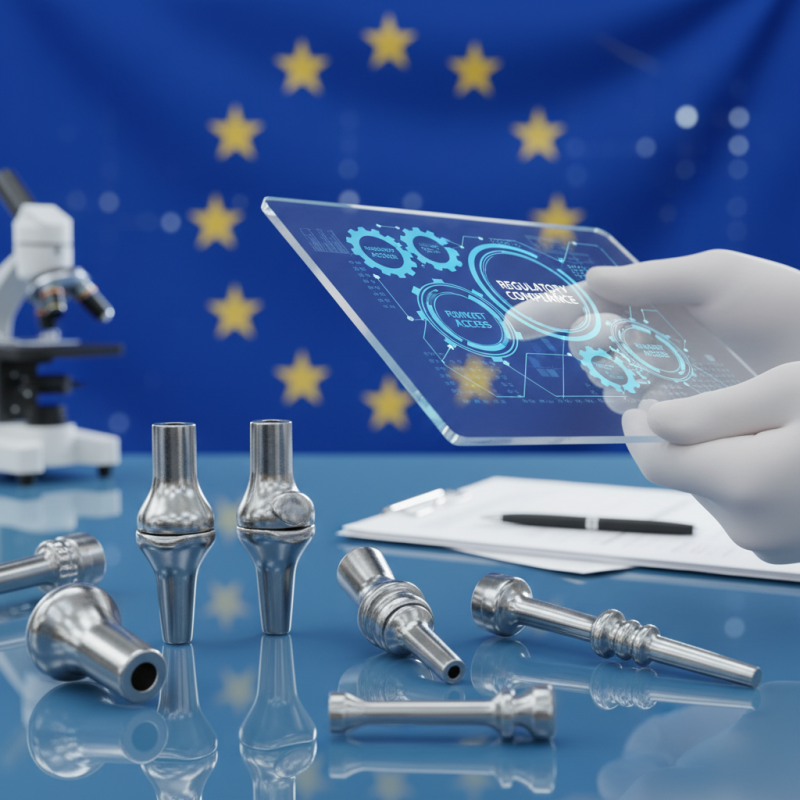
Navigating import regulations for orthopedic implants in Europe requires an understanding of the regulatory framework for medical devices. This framework is primarily established by the Medical Device Regulation (MDR) and the In Vitro Diagnostic Regulation (IVDR). These regulations were implemented to ensure the safety and efficacy of medical devices, including orthopedic implants. Compliance with these rules is crucial.
Importers must familiarize themselves with classification systems for devices. Orthopedic implants fall under specific classes based on their risk level. Class I devices face lighter regulations, while Class III devices, such as those that are more invasive, endure stricter scrutiny. Documentation is essential. Importers need to prepare comprehensive technical files that include clinical evaluation reports. These reports must demonstrate safety and effectiveness based on rigorous testing.
Understanding the role of Notified Bodies is also critical. These organizations assess conformity before products enter the European market. Their evaluations cover various aspects, including manufacturing practices and quality control. The certification process can be time-consuming and may lead to unforeseen delays. Importers must remain adaptable and prepared for potential regulatory adjustments. Understanding these nuances can significantly influence import success in the European market.
Understanding import regulations for orthopedic implants in Europe requires knowledge of several key regulatory bodies. The European Medicines Agency (EMA) plays a crucial role in ensuring the safety and efficacy of medical devices. It assesses applications for new implants, ensuring they meet stringent standards. Compliance with EMA’s guidelines is essential for manufacturers aiming for market entry.
Another significant player is the notified bodies, organizations designated by EU member states to evaluate conformity. They conduct thorough assessments and audits, verifying that orthopedic implants comply with the Medical Device Regulation (MDR). Their expertise varies, and not all notified bodies offer the same level of scrutiny. Manufacturers must carefully select which body to engage with, as experience can greatly influence the approval process.
Additionally, national authorities must be considered. Each EU member state may have specific requirements and processes for importing orthopedic implants. This can lead to inconsistencies, creating challenges for importers. Navigating different regulations across countries often requires legal counsel or local expertise, highlighting the complexity of the European market. Proper understanding of these bodies and their regulations is crucial for successful importation.
Understanding compliance standards for orthopedic implants is critical for market access in Europe. The EU Medical Device Regulation (MDR) sets stringent requirements for manufacturers. Under this regulation, the classification of orthopedic implants depends on their risk profiles. Class IIb and Class III devices, which are more invasive, face more rigorous scrutiny compared to Class I devices. Current reports indicate that about 45% of orthopedic companies struggle with these classifications, affecting their market entry timelines.
ISO 13485 is another essential standard. It outlines quality management system requirements for organizations involved in the lifecycle of medical devices. Compliance enhances product safety and efficacy, which is vital in orthopedic care. A recent survey found that 78% of orthopedic manufacturers experienced improved operational efficiency after implementing ISO 13485. However, many companies still face challenges in maintaining compliance, particularly during audits. Inconsistent documentation practices lead to delays and regulatory setbacks, emphasizing the need for systematic approaches to quality management.
Importing orthopedic implants into Europe requires a thorough understanding of specific documentation and certification processes. Comprehensive knowledge of the Medical Device Regulation (MDR) is critical. Manufacturers must provide extensive clinical evaluation data. This evaluation proves the device's safety and efficacy for patients.
Importers must gather essential documents. A Declaration of Conformity is mandatory. This declaration confirms that the product meets all applicable EU requirements. Additional technical documentation should include risk management files, product specifications, and quality management system details. Importers must also ensure labeling standards are met, including language and content requirements.
Navigating these regulations can be challenging. Not all importers have the latest certifications. Lapses in understanding can lead to compliance issues. Regular audits and proper training are essential to staying updated. Collaboration between manufacturers and local representatives often fills knowledge gaps. It's crucial to reflect on past mistakes and adapt strategies accordingly. This proactive approach can mitigate risks and ensure smoother importation processes.
| Documentation Type | Description | Required for Import? | Issuing Authority |
|---|---|---|---|
| CE Marking | Certification indicating conformity with EU safety, health, and environmental protection standards. | Yes | Notified Body |
| Declaration of Conformity | A document the manufacturer creates to declare that the product meets all necessary EU requirements. | Yes | Manufacturer |
| Technical File | A compilation of documentation containing design, manufacturing, and performance data. | Yes | Manufacturer |
| Product Labeling | Labels must comply with EU regulations, providing necessary product information. | Yes | Manufacturer |
| Import License | Depending on the country, an import license may be required for entry into the EU. | Yes (varies by country) | National Import Authority |
Importing orthopedic implants into Europe poses various challenges due to stringent regulations. The EU Medical Device Regulation (MDR) has enhanced requirements for compliance, affecting many manufacturers. According to recent industry reports, nearly 40% of companies have faced delays in getting products approved. Understanding these regulations is crucial for smooth importation.
One of the major hurdles is navigation through regulatory pathways. Each country in Europe may have different requirements. Some products may need extensive clinical data to demonstrate safety and efficacy. This often leads to increased costs and time delays in the approval process. Companies must be prepared for rigorous scrutiny from regulatory bodies.
**Tips:** Ensure that all documentation is in order before submission. This reduces the chances of rejection or additional requests for information. Collaborating with local experts can offer valuable insights into specific country regulations. Familiarize yourself with the European database for medical devices to keep updated on compliance requirements.
Another challenge is demonstrating post-market surveillance. Once products are on the market, manufacturers must monitor their performance and ensure ongoing compliance. According to the latest data, over 30% of manufacturers reported inadequate post-market strategies. Investing in a robust monitoring system can mitigate these risks.
**Tips:** Regularly review compliance processes and quality management systems. Training staff on new regulations is essential. Consider participating in industry seminars to gain insights on best practices in surveillance and compliance management.
gency (EMA) in orthopedic implant regulations?
Notified bodies evaluate conformity and conduct audits to verify that implants comply with the Medical Device Regulation.
Different bodies offer varying levels of scrutiny, influencing the approval process and overall importation experience.
Importers must provide a Declaration of Conformity and technical documents like risk management files and product specifications.
Variations in country regulations and the need for extensive clinical data often lead to delays and increased costs.
Ensuring all documentation is complete and collaborating with local experts can help reduce rejections and delays.
Post-market surveillance involves monitoring product performance after market entry to ensure ongoing compliance with regulations.
Investing in monitoring systems and regularly reviewing compliance processes can mitigate risks related to product oversight.
Regular training for staff and participation in industry seminars can provide valuable insights into best practices and compliance.
Understanding the import regulations for orthopedic implants in Europe requires a thorough grasp of the regulatory framework governing medical devices. Key regulatory bodies, such as the European Medicines Agency (EMA) and national competent authorities, play vital roles in overseeing the compliance of orthopedic implants. Essential standards, including the EU Medical Device Regulation (MDR) and ISO 13485, ensure that these products meet safety and quality benchmarks.
The import process mandates comprehensive documentation and certification, serving as critical components for compliance. Importers must navigate potential challenges, such as varying interpretations of regulations across member states. Solutions include engaging with regulatory experts and utilizing clear channels of communication with authorities to streamline the importation of orthopedic implants, ultimately facilitating access to crucial medical technologies in European markets.

WEX Medical