Explore high-precision bone fixing devices, implants, and surgical instrumentation designed for international clinical standards.
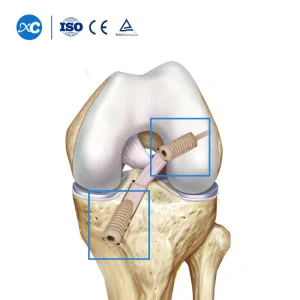
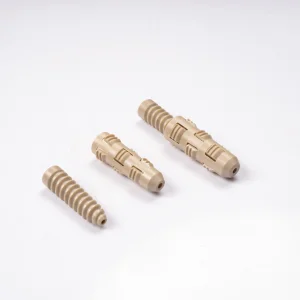
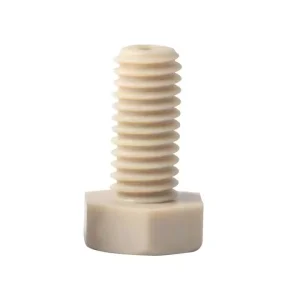
Within reconstruction procedures such as Anterior Cruciate Ligament (ACL) and Posterior Cruciate Ligament (PCL) replacement, the selection of the fixation device is paramount. The interference screw serves as the clinical benchmark for securing bone-tendon-bone or soft tissue grafts inside femoral and tibial bone tunnels.
Driven by rising sports-related injuries, a demanding geriatric lifestyle, and advancements in bio-compatible materials, the global market for orthopedic implants is witnessing a profound transition. To maintain clinical superiority and bottom-line stability, modern distributors must evaluate suppliers through rigorous benchmarks: ISO 13485 alignment, raw material purity, precision CNC machining capabilities, and validation protocols.
China has transformed from a low-cost manufacturing hub into an epicenter of medical-grade device manufacturing. This transformation integrates advanced material sciences—such as Medical-Grade PEEK (Polyetheretherketone) and Titanium Alloys—with strict adherence to international regulatory landscapes (CE, FDA, and GMP standardizations).
A comparative overview of the leading tier-1 global manufacturers and high-value Chinese suppliers shaping orthopedic technology today.
A dominant global force in sports medicine and arthroscopic devices. Known for pioneering bioabsorbable and PEEK-based interference screws with the proprietary Bio-Translink compositions.
Boasting over two decades of expert innovation, WEX Medical manufactures high-precision PEEK and Titanium implants. Backed by ISO 13485/CE certificates, they bridge top-tier manufacturing with competitive global supply chains.
A global medical technology leader offering specialized soft tissue repair platforms. Renowned for their BIOSURE PK and biocomposite interference screws that improve healing dynamics.
One of the largest orthopedic portfolios in the world. Provides comprehensive fixation systems and reliable instrumentation kits for multi-ligament reconstructions.
A major innovator in arthroscopy solutions. Offers optimized instrumentation alongside PEEK interference screws, focusing on structural hold and decreased surgeon effort during placement.
A dedicated player in sports medicine, producing customized screw profiles with specialized threading architectures to increase pull-out strength in osteopenic bone.
While primary focus areas span spine care, Medtronic’s sophisticated engineering division produces specialized anchoring systems for broader musculoskeletal applications.
A prominent European manufacturer focusing on high-tech clinical solutions, specializing in customized implants and high-grade biocompatible fixation pins.
A worldwide leader in joint replacement and trauma systems. Their interference screw portfolio features reliable cortical-cancellous fixation technologies.
Specializing in extremities and biologics, providing biomechanically sound fixation options that support fast ligament integration and reduced postoperative laxity.
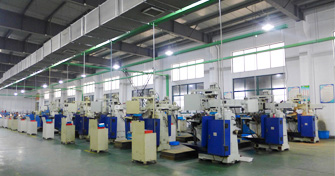
Established as an industry pioneer over twenty years ago, Changsha WEX Medical Instruments Co., Ltd. has dedicated its resources to the research, development, and high-volume manufacture of state-of-the-art orthopedic implants. Operating under the globally recognized "WEX" trademark, the company manufactures premium-class bone plates, bone screws, interlocking nails, spine implants/internal fixation systems, and specialized surgical instrumentation.
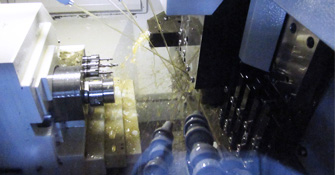
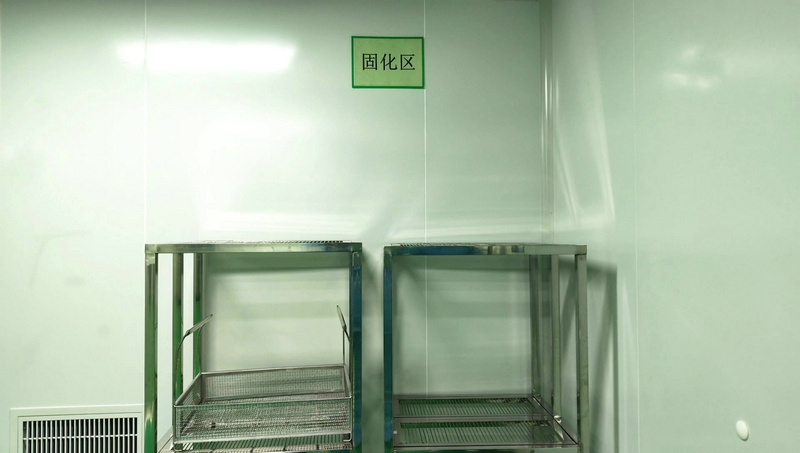
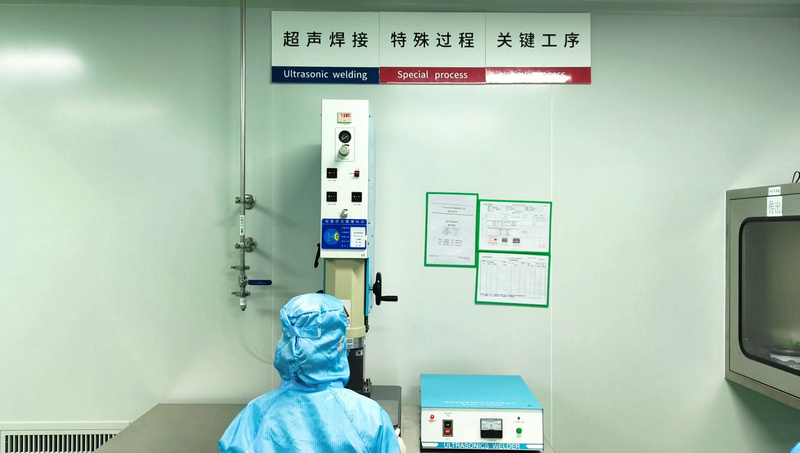
Every single implant within the WEX catalog is certified under strict ISO 9001:2008, ISO 13485:2003, and CE standards, granting distributors and clinical partners complete regulatory assurance. The manufacturing facility features spacious cleanrooms and over 100 sets of advanced processing equipment. The facility uses CNC sliding headstock auto-lathes, CNC milling centers, and advanced ultrasonic cleaning systems, ensuring all components exceed strict contaminant-free thresholds.
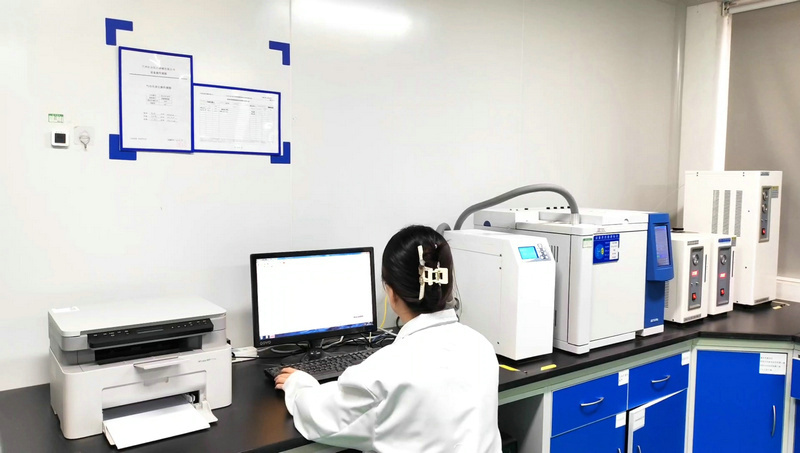
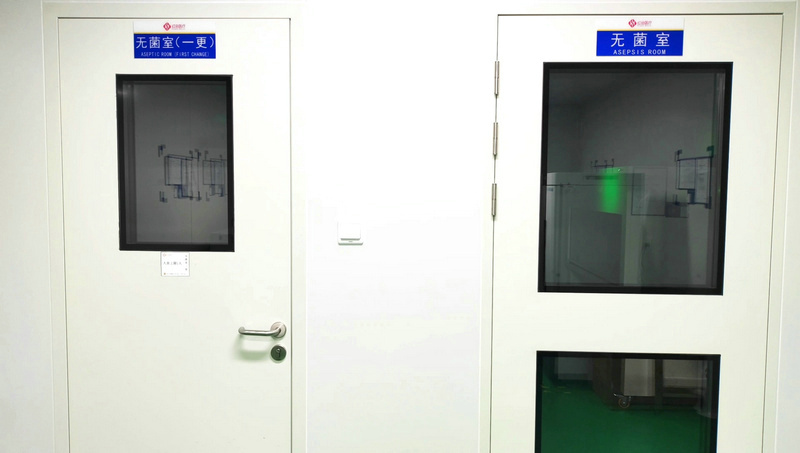
WEX maintains quality assurance via a dedicated testing lab. Devices such as tensile-testing machines, carbon and sulfur analyzers, pitting LP detecting instruments, and fluorescent fault detectors are used to verify the structural integrity of every run. The sterile packaging process aligns strictly with GMP standards, providing safe and secure distribution to hospitals worldwide.
A visual insight into WEX's ISO-compliant and GMP-standardized workflows for high-precision implant engineering.
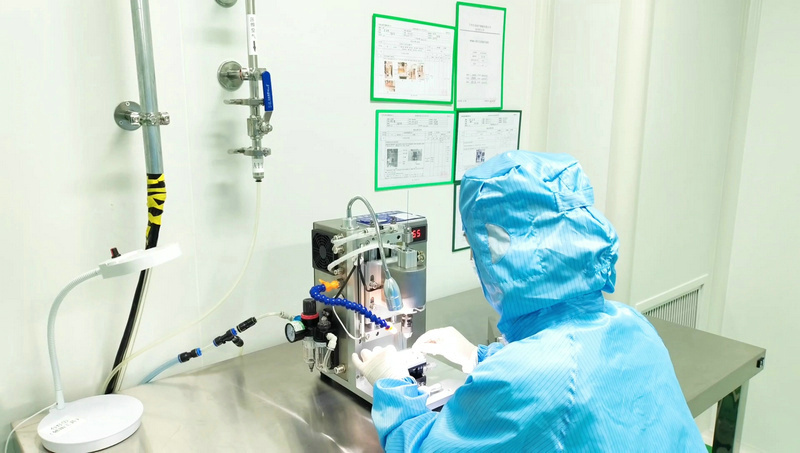
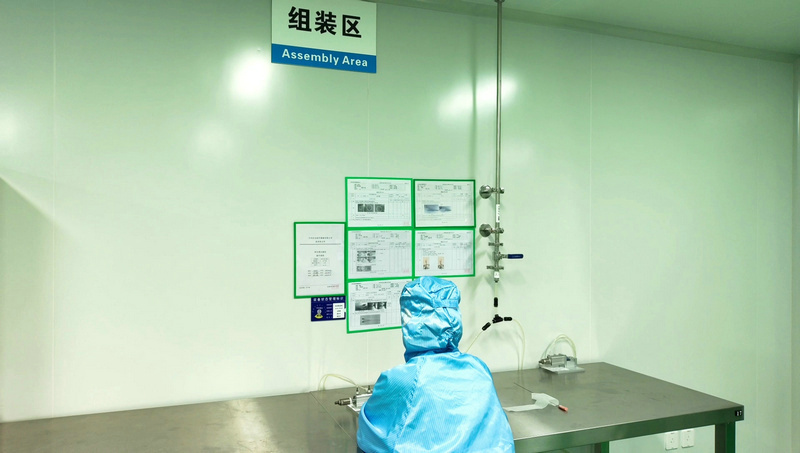
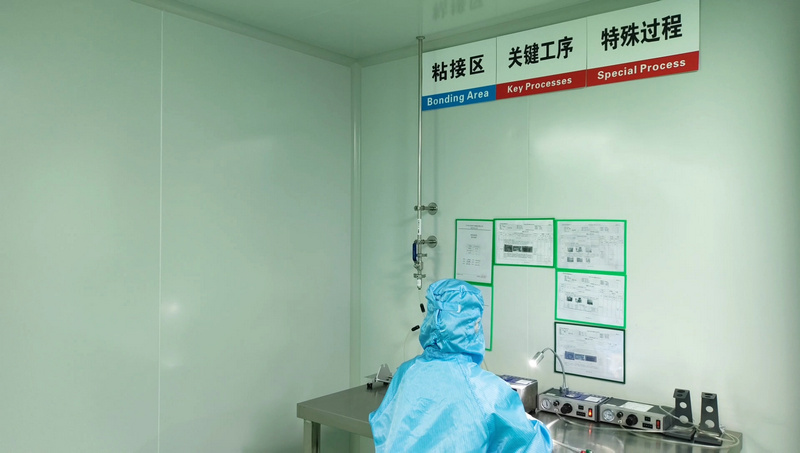
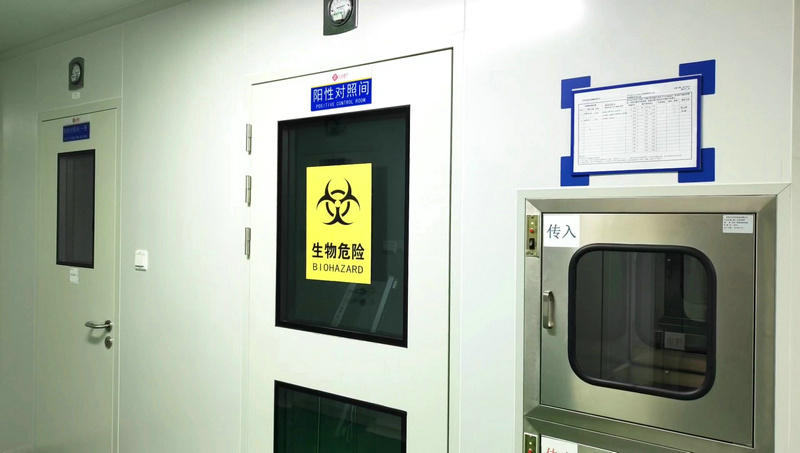
Understanding the technological, financial, and logistical advantages that Chinese orthopedic manufacturers bring to the international market.
Modern Chinese manufacturers utilize imported high-precision Swiss-type lathes and CNC centers (such as Citizen or Star systems). This machinery guarantees sub-micron tolerances, crucial for cutting clean threads and deep star/hex drives in titanium and PEEK raw stocks.
By grouping raw material processing, multi-axis machining, heat treatment, ultrasonic surface finishing, cleanroom packaging, and in-house sterilization validation (EO/Gamma), Chinese suppliers lower transaction fees and speed up delivery schedules.
Top factories exclusively source medical-grade titanium (ASTM F136 / ISO 5832-3) and premium PEEK polymer (Evonik Vestakeep or Solvay Zeniva). Every batch is accompanied by chemical composition and mechanical stress certificates to ensure safe in vivo performance.
A comprehensive mechanical and biological assessment of PEEK, Titanium, and Bioabsorbable materials.
| Performance Metrics | PEEK (Polyetheretherketone) | Titanium Alloy (Ti-6Al-4V ELI) | Bioabsorbable (PLDLA / HA) |
|---|---|---|---|
| Elastic Modulus | ~3.6 GPa (Near to human cortical bone) | ~110 GPa (Extremely rigid) | ~6.0 GPa (Decreases over time) |
| Biocompatibility | Excellent (Inert, zero inflammatory response) | Excellent (Proven osseointegration) | Moderate (Triggers mild degradation reaction) |
| Radiolucency | Yes (No CT/MRI artifacts, easy postoperative view) | No (Produces scattering artifacts on scans) | Yes (Gradually disappears as it degrades) |
| Fixation Strength | High torsional strength; preserves thread integrity | Maximum; resistant to cross-threading | Moderate; potential for breakage under torque |
| Long-term Degradation | Non-absorbable (Remains stable long-term) | Non-absorbable (Requires secondary surgery if removed) | Fully resorbs within 18 to 36 months |
Hospital networks and purchasing organizations face shifting regulatory hurdles, including the European Union's Medical Device Regulation (MDR) and the US FDA's strict 510(k) clearances. Distributors need supply partners who provide complete Technical Files and Design Dossiers, including ISO 10993 biocompatibility testing, package validation, and transport simulation tests.
Additionally, modern outpatient clinics and ambulatory surgical centers (ASCs) demand complete, ready-to-use solutions. Instead of shipping loose screws, manufacturers now bundle implants with disposable driver shafts, guide pins, and sizing sleeves in pre-sterilized blister packs. This reduces prep time, lowers contamination risks, and optimizes clinic throughput.
By working directly with factories like WEX Medical, distributors can customize thread pitches, driver connection types (e.g., star drive, hex, or torx), and packaging setups through established OEM/ODM programs.
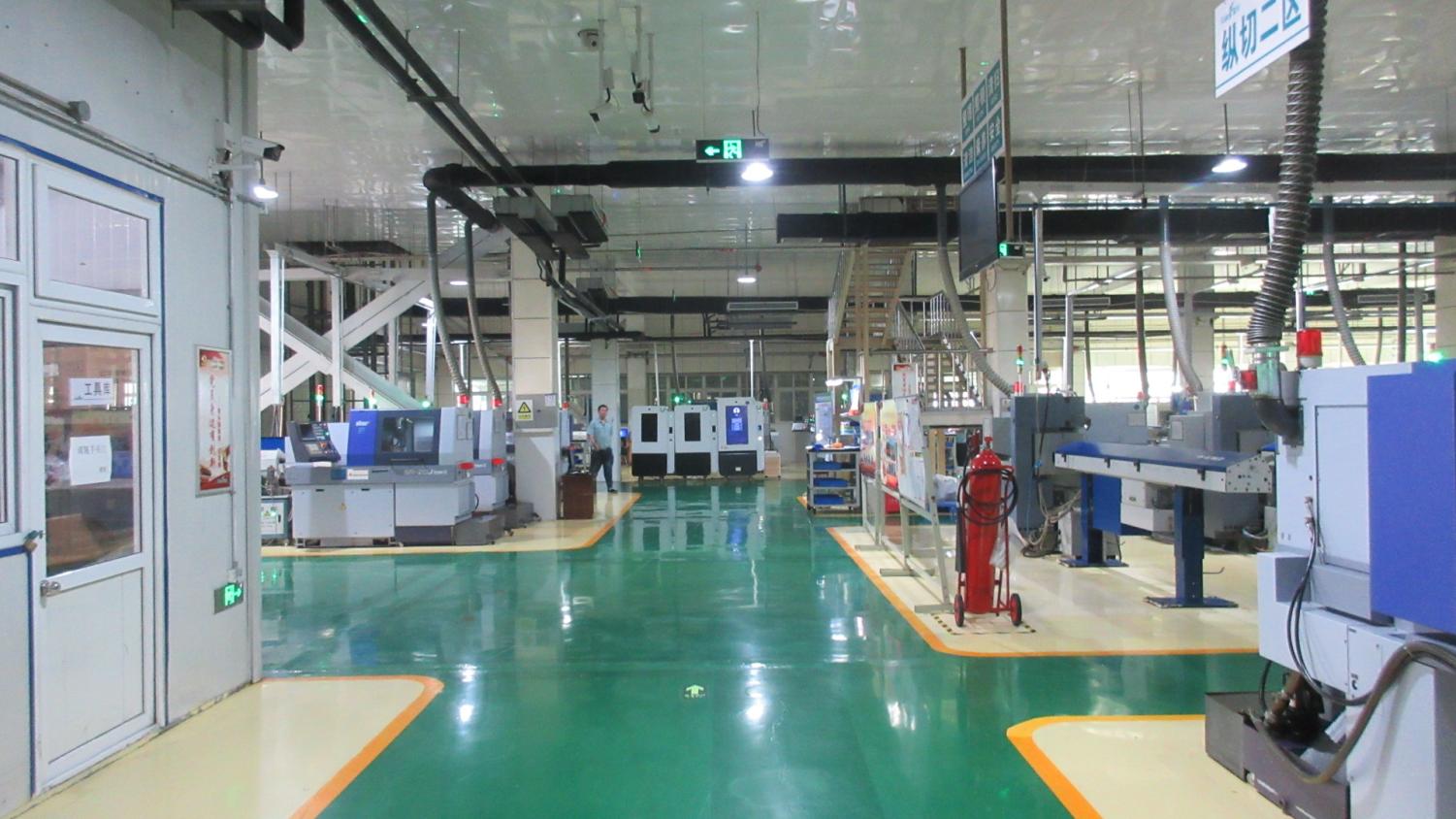
Where is the industry headed? Key technological developments that will dictate purchasing behaviors over the next decade.
Incorporating bioactive glass, tricalcium phosphate (TCP), or hydroxyapatite (HA) into PEEK matrices. This encourages active bone growth directly into the implant threads, securing the graft faster.
Utilizing high-end modeling and additive manufacturing (3D printing) to match the screw's thread profile with the patient's specific bone mineral density, preventing bone blowouts in weaker areas.
Moving away from traditional ethylene oxide (EO) gas toward supercritical CO2 or advanced electron-beam (E-beam) sterilization. This leaves zero chemical residue while preserving the structural properties of delicate PEEK polymers.
In-depth answers to critical questions commonly asked by orthopedic distributors, procurement officers, and surgeons.
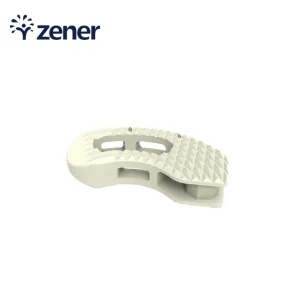
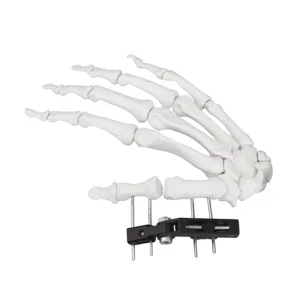
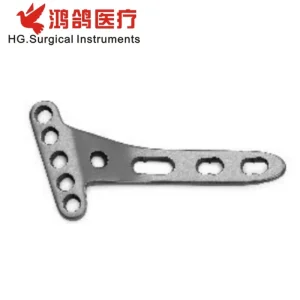
A broad range of high-quality trauma, spinal, and external fixation products for global hospital networks.
To ensure that interference screws consistently meet critical safety standards, WEX Medical runs a comprehensive QC system in line with ISO 13485:2003 guidelines. The testing framework spans every step of production: inspecting incoming titanium and PEEK bar stocks, monitoring tolerances during CNC sliding headstock operations, and performing final visual and mechanical checks after cleanroom packaging.
WEX's inspection facilities are equipped with specialized tools, including projector comparators for detailed thread pitch analysis, micro-hardness testers, and carbon/sulfur analyzers to confirm raw material chemistry. Finished implants undergo ultrasonic cleaning and are packaged inside a GMP-compliant sterile barrier, preventing contaminants from reaching the surgical field.
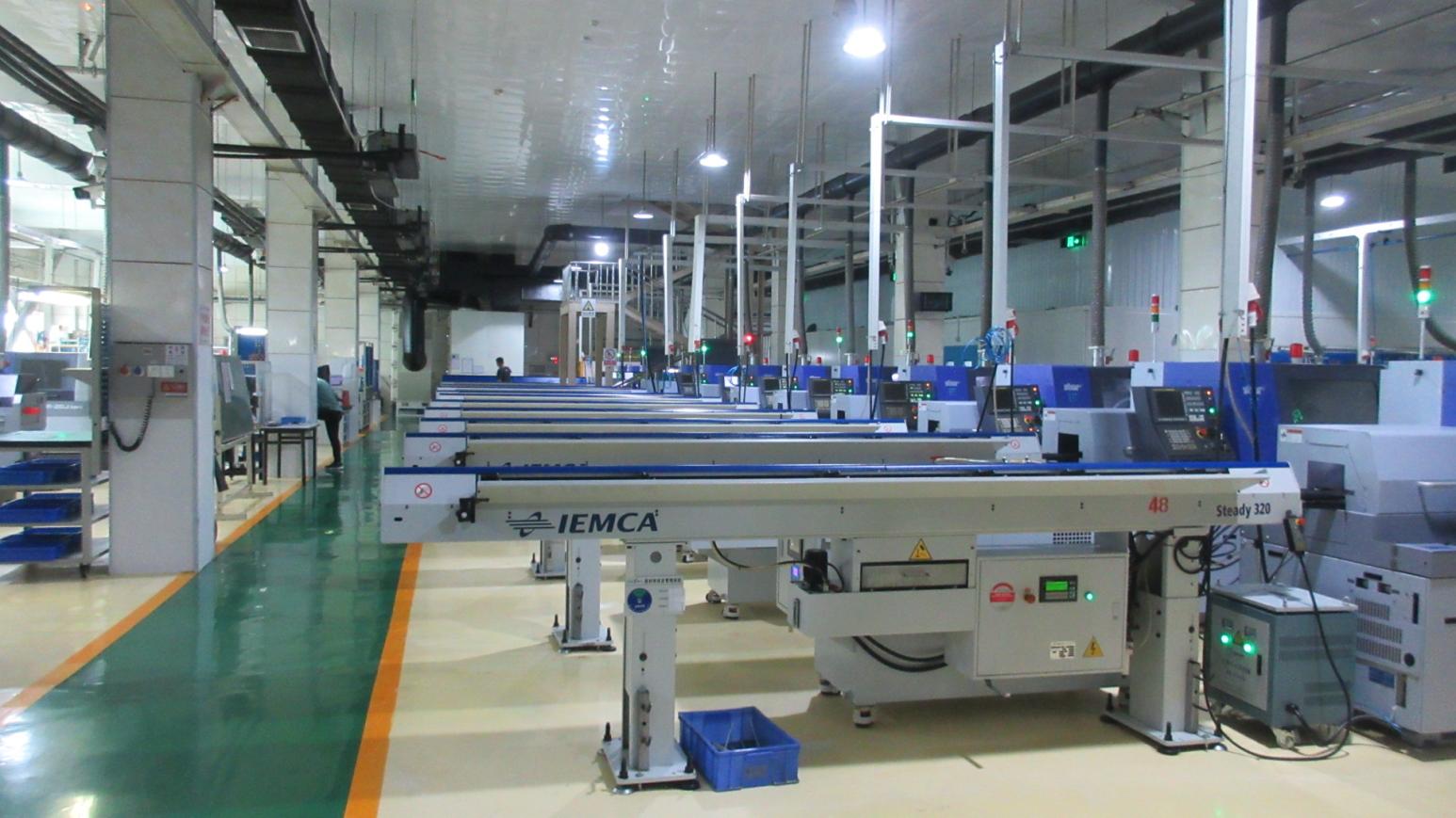
 WEX Medical