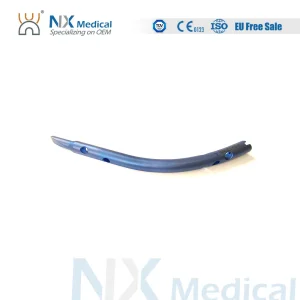
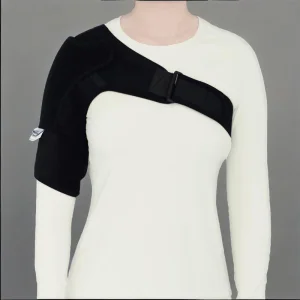
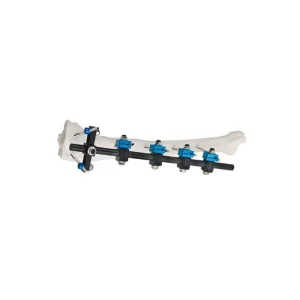
Precision-engineered trauma implants, spinal fusion devices, external fixators, and rehabilitation systems compliant with international ISO/CE standards.
An authoritative analysis of global demands, regulatory frameworks, and technological advancements driving the orthotic and orthopedic implant industry.
The global orthotic devices and orthopedic implant market is projected to reach $68.4 Billion by 2030, driven by an aging global demographic, increasing incidence of musculoskeletal disorders, and rising trauma occurrences worldwide. B2B importers are shifting toward consolidated suppliers offering certified quality.
Stringent MDR (EU 2017/745) requirements and US FDA 510(k) clearances necessitate absolute traceability. Global procurement heads prioritize export partners possessing validated ISO 13485 Quality Management Systems and cleanroom GMP packaging environments.
Transitioning from traditional stainless steel to Ti-6Al-4V ELI (Grade 5 Titanium), PEEK (Polyether ether ketone), and titanium porous coatings has dramatically improved osseointegration, reduced stress shielding, and enhanced long-term clinical retention rates.
When selecting an orthotic and orthopedic export partner, technical capability in high-precision CNC machining, non-destructive fluorescent fault testing, and cleanroom sterile processing are far more vital than unit cost alone. Substandard metallurgical structure leads to implant fatigue and costly regulatory recalls.
Over two decades of verified expertise in engineering bone plates, interlocking nails, spine implants, and orthopedic surgical instrumentation.
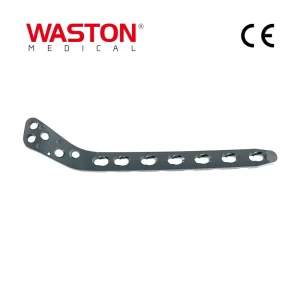
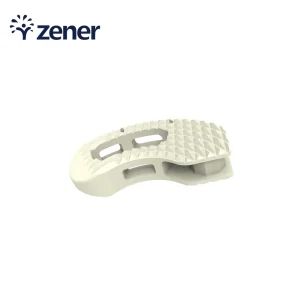
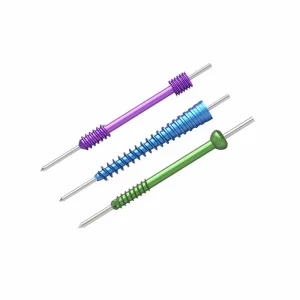
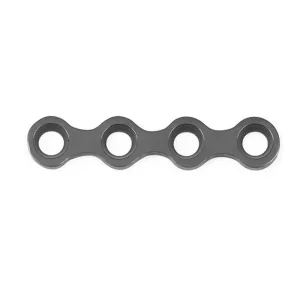
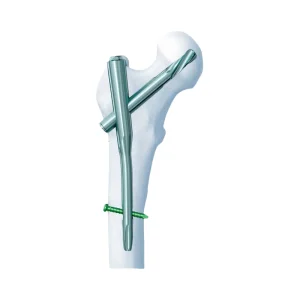
Changsha WEX Medical Instruments Co., Ltd. has experiences of more than two decades in areas of innovation and production of orthopaedic implants, such as bone plates, bone screws, interlocking nails, spine implants/internal fixation systems, and all kinds of instruments, which are branded by "WEX". All the implant products have certification of CE and ISO9001/ISO13485, so can reach different requirements of customers.
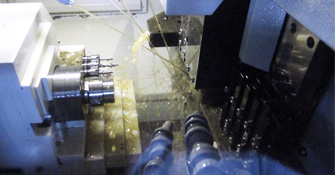
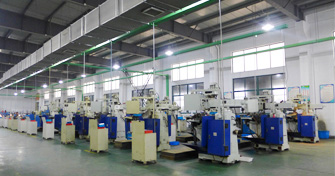
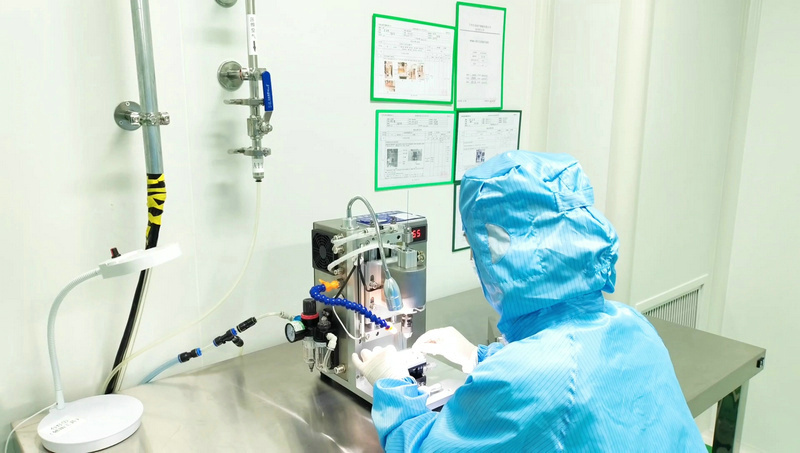
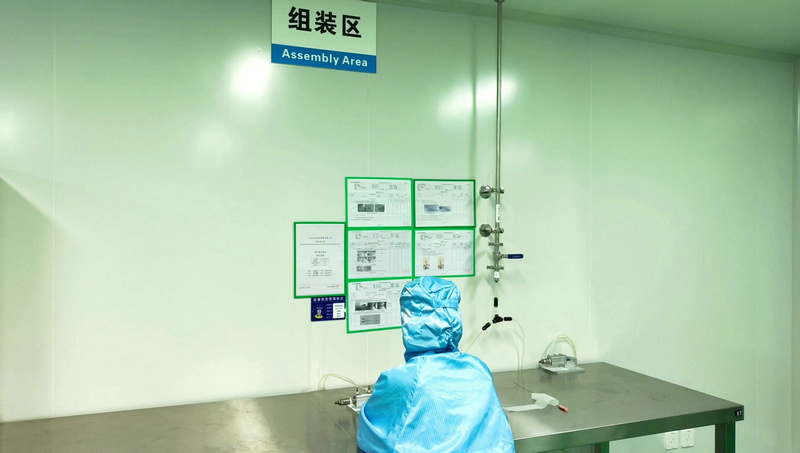
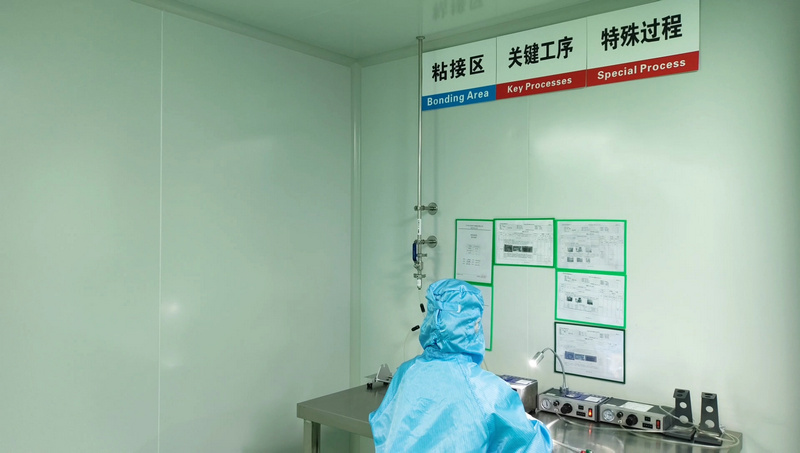
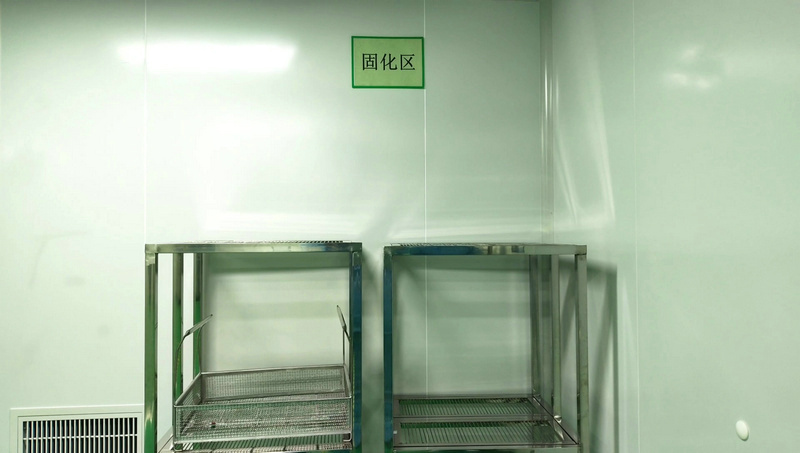
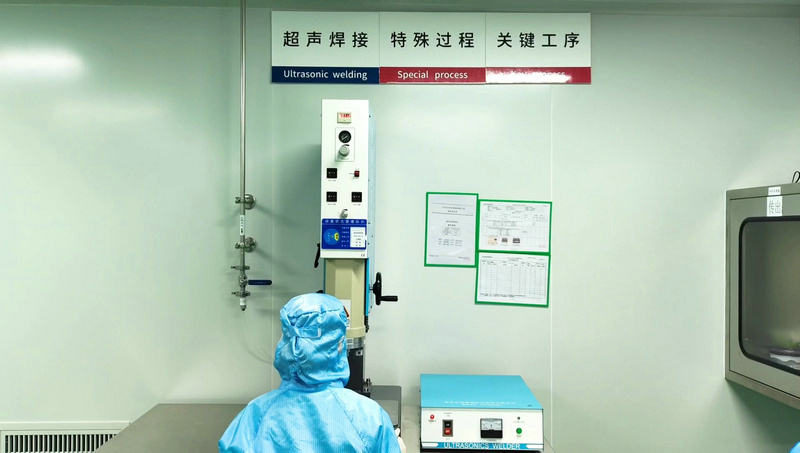
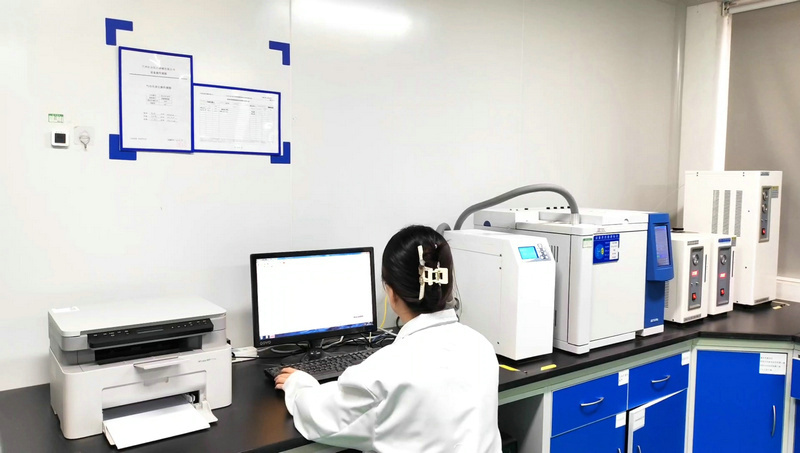
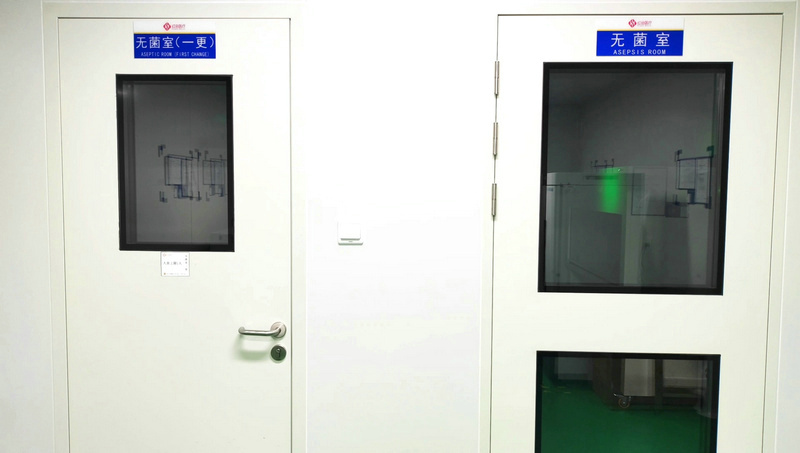
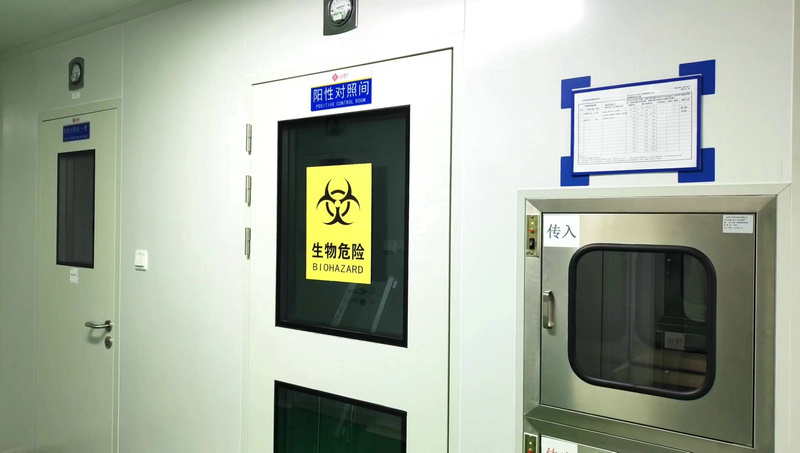
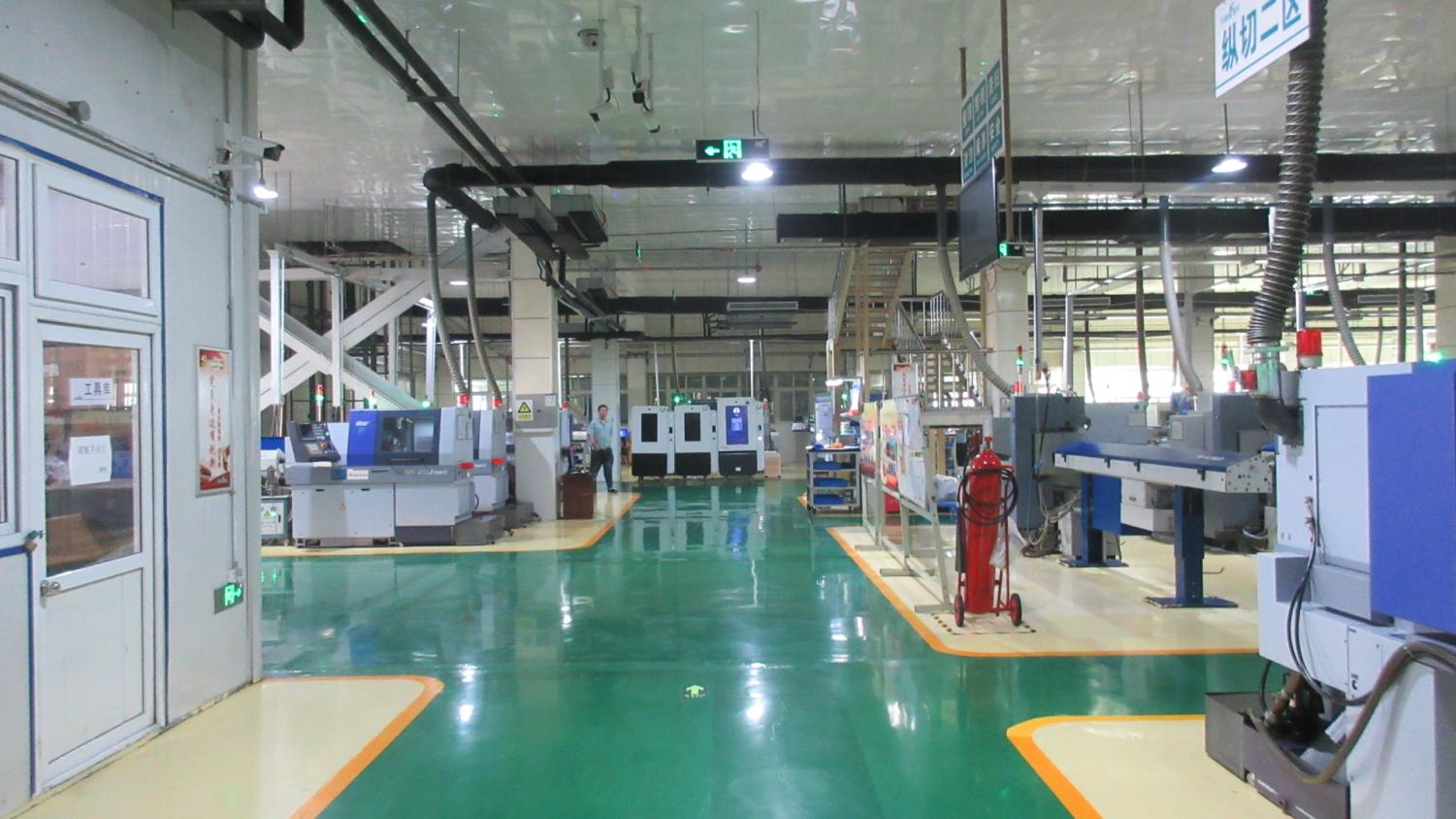
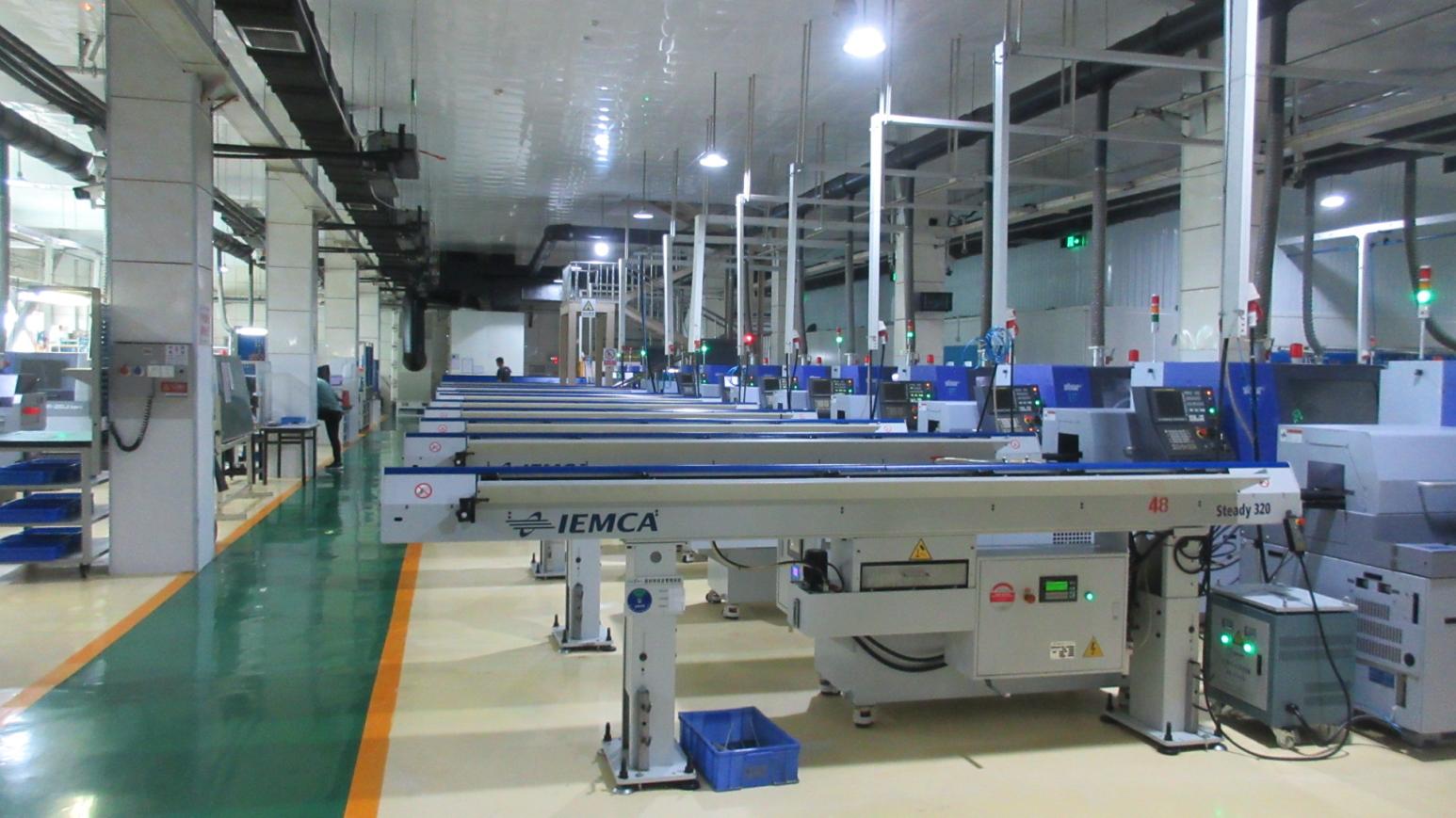
With a Quality Management System passed ISO 9001:2008 and ISO 13485:2003, we have bright and spacious factory workshops; more than hundred production equipments, such as advanced CNC machining centre machines, CNC sliding headstock auto-lathes, CNC milling machines, CNC lathing machines, upmarket ultrasonic cleaning equipments and etc; more than ten advanced and well-appointed testing equipment, such as Projectors, Tensile-testing machines, Durometers, Carbon and sulphur analyzers, Pitting LP detecting instruments and Fluorescent fault detectors and so on. The packaging process is conducted in clean workshop line with GMP standard.
At the beginning of company's establishment, we aim to design and produce implantable products professionally for our customers. Relying on the operational systems of development, design, production and marketing, which is formed by the orthopaedic experts in domestic large and medium-sized hospitals, also we completed the clinical insurance for our products.
We satisfy our customer's requirements with best quality and best service, based on our advanced production and processing technology. Because we insist on the idea of "Be professional for manufacturing high-quality products, be wholehearted for serving customers."
Years Manufacturing Experience
Advanced CNC Machines
13485 & CE Certified
GMP Cleanroom Packaging
A visual tour through WEX Medical's state-of-the-art production workflow and certified laboratory testing protocols.
Pioneering next-generation biomechanical solutions, 3D additive manufacturing, and sensor-assisted orthotics.
3D titanium printing (Selective Laser Melting - SLM) allows for custom anatomical reconstruction plates and porous bone scaffold geometry. This architecture mimics natural trabecular bone structure, reducing modulus of elasticity mismatch and fostering rapid osteogenesis.
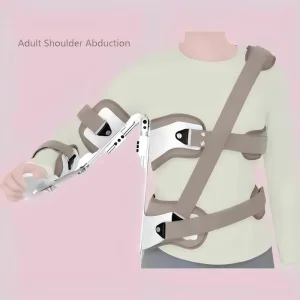
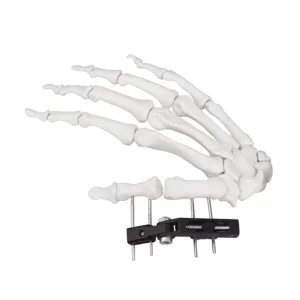
The integration of micro-sensors within post-operative dynamic braces and external fixators enables real-time load monitoring, gait analysis, and healing progress tracking, empowering orthopedic surgeons to make data-driven physical therapy adjustments.
Advanced plasma-sprayed hydroxyapatite (HA) coatings and anodization techniques enhance antibacterial properties and osseointegration speed, minimizing post-surgical infection risks and revision surgical interventions.
Addressing supply chain risk management, OEM customization, and localized regulatory approval support.
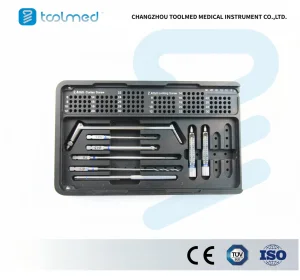
Providing unified trauma and spinal implant sets with intuitive surgical instrumentation reduces operating theater prep time and streamlines hospital inventory management across emergency surgery departments.
Complete custom branding solutions including specialized laser marking, custom logo embroidery on orthopedic supports, bespoke packaging, and precise dimensional engineering tailored to regional market preferences.
Streamlined technical dossier preparation (STED) for local FDA/Health Ministry registrations, coupled with full sterility validation reports and expedited cold-chain/express logistics guarantees uninterrupted supply chains.
Expert insights regarding orthotic device manufacturing, quality assurance, regulatory compliance, and bulk export procedures.
Explore specialized surgical instrument sets, cranial-maxillofacial reconstruction systems, and veterinary orthopedic solutions.
 WEX Medical