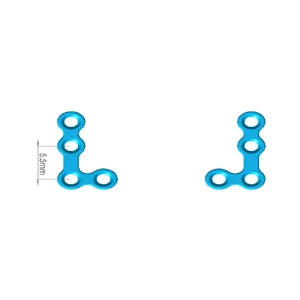
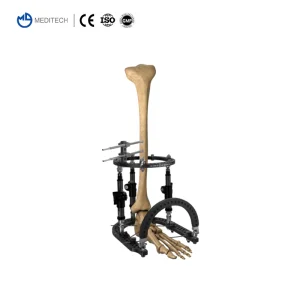
Explore our leading selection of engineered orthopedic plates, joint replacement components, and specialized surgical equipment manufactured to rigorous clinical tolerances.
Changsha WEX Medical Instruments Co., Ltd. has established itself as an elite pioneer in the orthopedic manufacturing landscape. With over twenty years of continuous technological refinement, clinical validation, and rigorous adherence to international medical standards, our brand, "WEX", is recognized globally for its mechanical integrity and anatomical compatibility.
Our expansive production portfolio spans state-of-the-art bone plates, compression bone screws, interlocking intramedullary nails, and sophisticated spinal fixation systems. Every design iteration combines localized input from prominent trauma surgeons with advanced metallurgical engineering. WEX implants conform to the strict certification standards of CE, ISO 9001, and ISO 13485, certifying them for direct deployment in demanding surgical theatres worldwide.
"By integrating real-world surgical requirements with high-precision manufacturing, we ensure that every implant provides optimal biomechanical stability, accelerating patient recovery and ensuring long-term construct safety."
Addressing clinical challenges through structural modification, advanced biopolymer processing, and micro-machining tolerances.
We implement a dual-material roadmap optimizing implants for stress shielding prevention. By employing medical-grade Titanium Alloy (Ti-6Al-4V ELI) and PEEK-OPTIMA™ polymers, our constructs achieve elastic moduli highly comparable to human cortical bone, reducing bone resorption and mechanical failure rates.
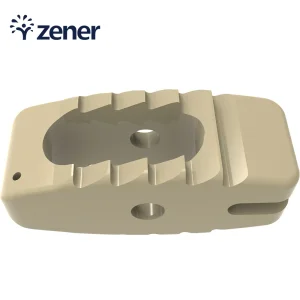
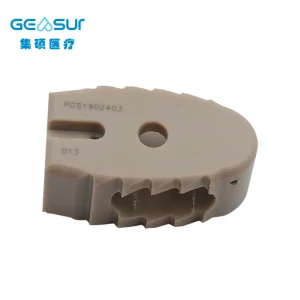
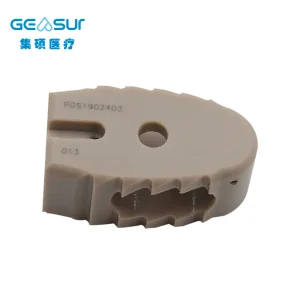
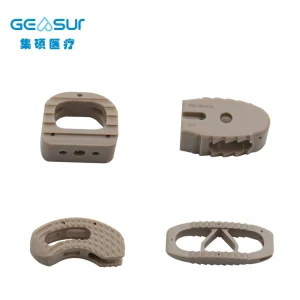
Our PEEK cage systems leverage a plasma-sprayed titanium coating. This creates a porous surface morphology that significantly enhances osteo-conductivity, allowing rapid cellular adhesion and initial stability without sacrificing the radiolucent advantages of polymer implants.
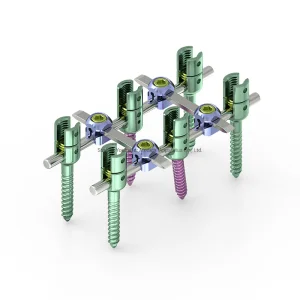
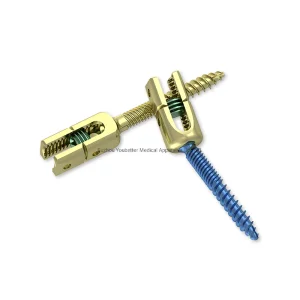
Current designs focus on load-sharing mechanisms. Dynamic locking features in our pedicle screws and cervical plate systems adapt to physiological settling, preserving micro-motions that stimulate positive bone remodeling and ensure high-integrity arthrodesis.
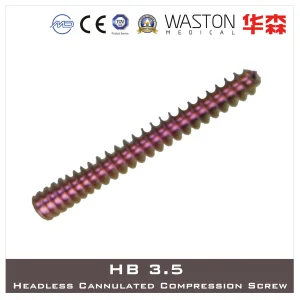
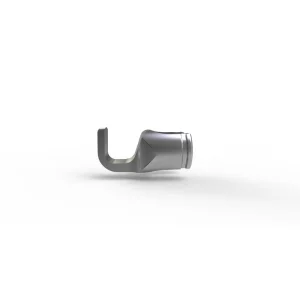
Posterior Cruciate Ligament (PCL) fixation requires precise biomechanical performance. As surgical techniques move toward anatomical reconstruction, fixation systems must withstand significant translation forces. WEX Medical addresses these demands through interference screws and cortical suspension buttons optimized for graft preservation, structural stiffness, and prevention of graft slippage. Our production lines utilize micro-machining techniques to finish thread crests and guide paths, ensuring that implant insertion causes zero micro-fracturing of neighboring bone or physical tearing of the tendon graft.
Transforming healthcare supply chains with integrated surgical kits, optimized trauma sets, and comprehensive spine fusion instruments.
In modern clinical environments, hospitals and orthopedic centers do not search for isolated implants; they require integrated system designs. Recognizing this operational change, WEX Medical produces comprehensive solution matrices where specialized instrumentation sets are paired directly with corresponding implant systems.
Our macro solutions encompass:
This systematic design approach drastically reduces preoperative setup time, streamlines sterilization, and optimizes clinical workflows for global distributors and hospitals.
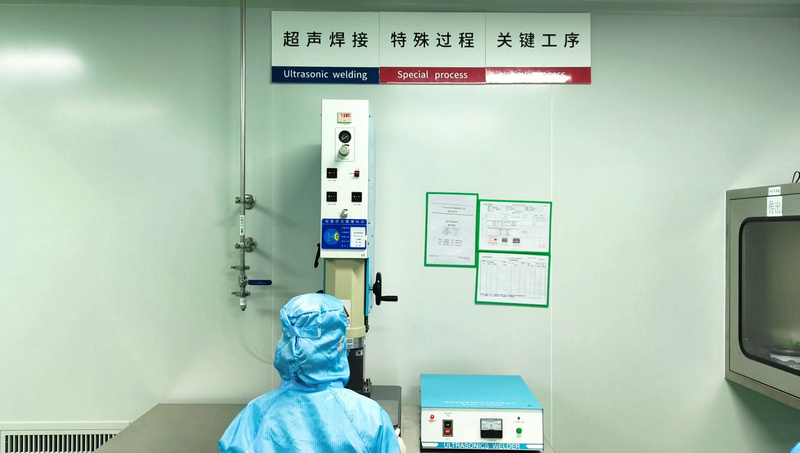
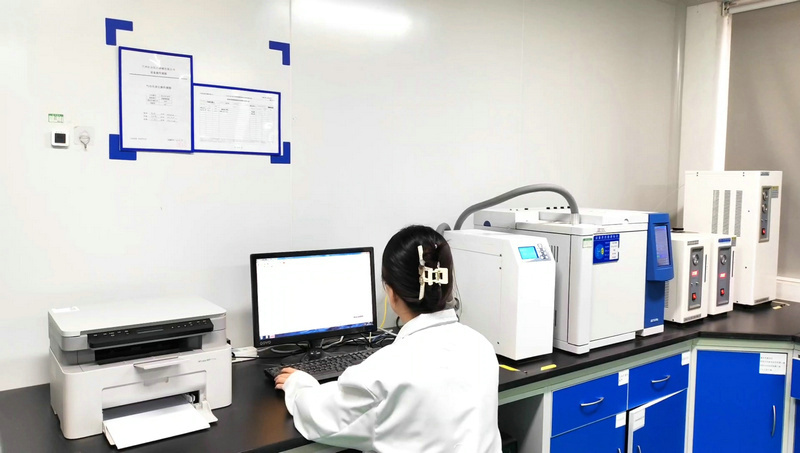
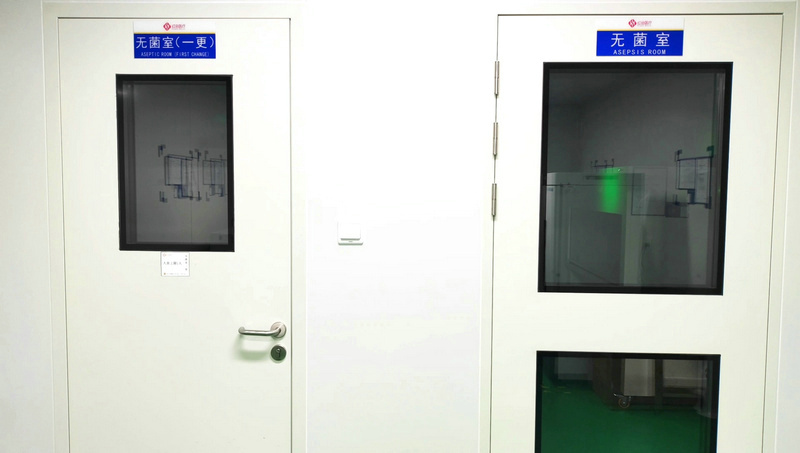
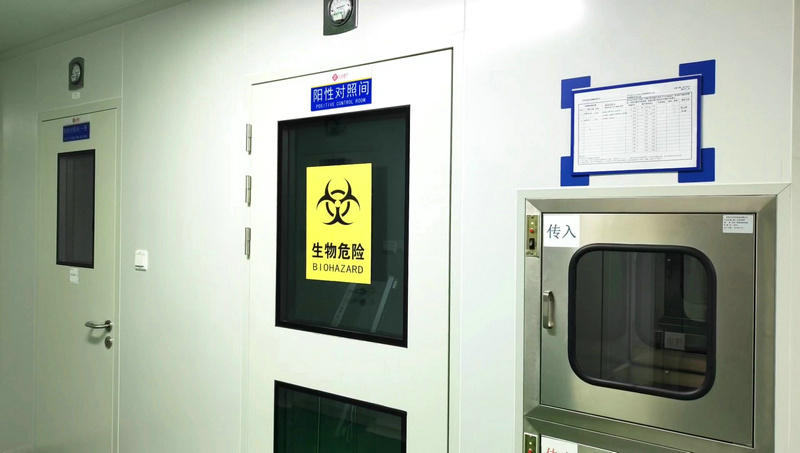
A look into our manufacturing pipeline: cleanroom standards, advanced CNC tooling, and ISO-compliant process validation.
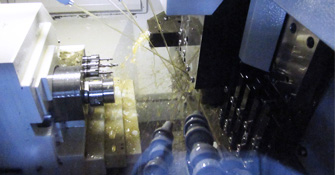
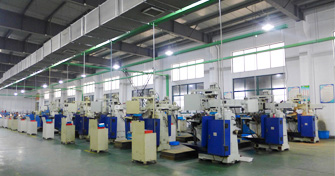
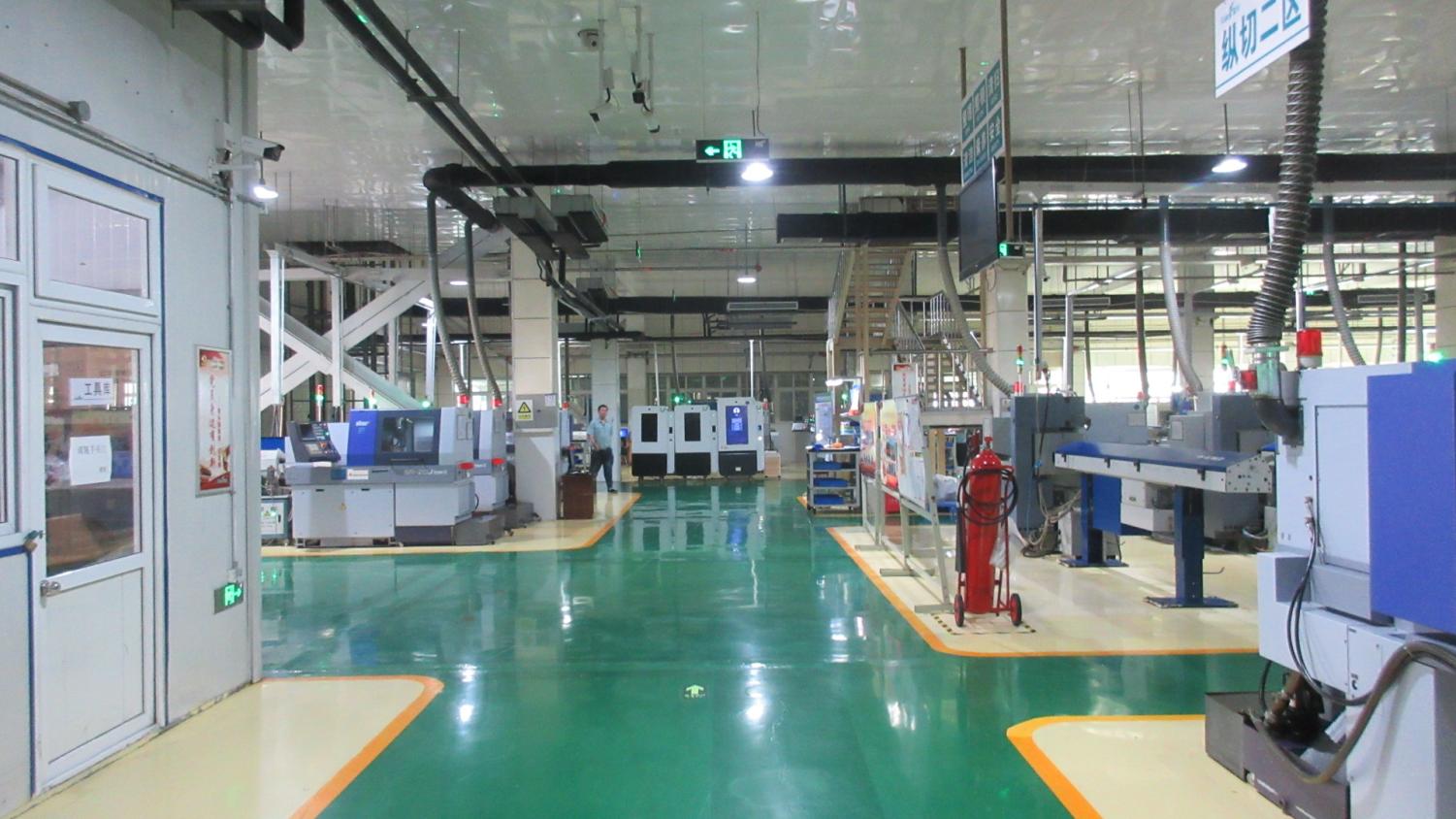
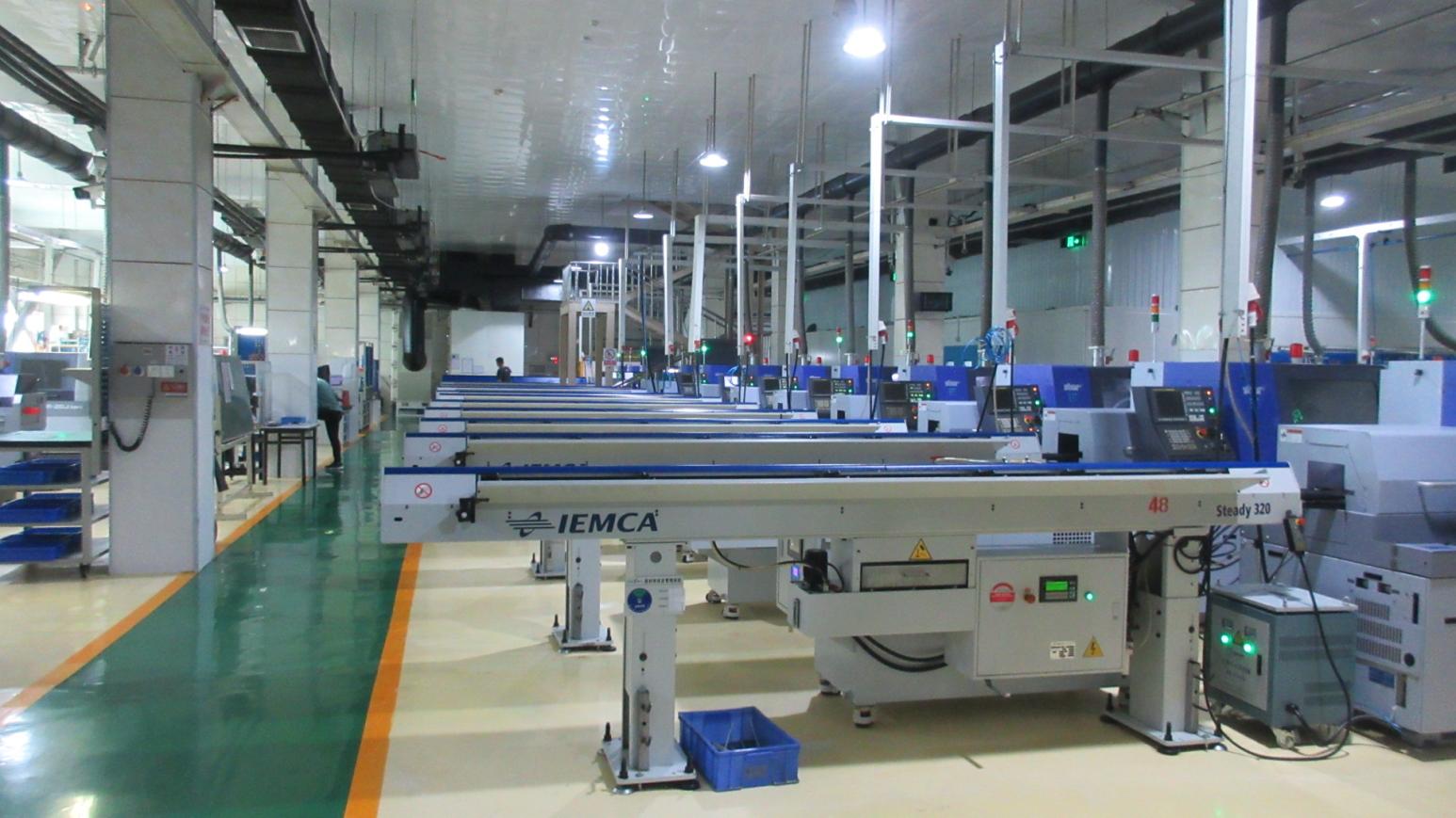
Our production plant is equipped with over one hundred advanced manufacturing systems. This machinery footprint includes Japanese CNC sliding headstock auto-lathes, high-speed vertical machining centers, and automated ultrasonic cleaning lines. To maintain mechanical consistency, our testing department features coordinate measuring machines (CMM), tensile strength testers, carbon-sulfur chemical composition analyzers, and specialized fluorescent dye penetrant detectors.
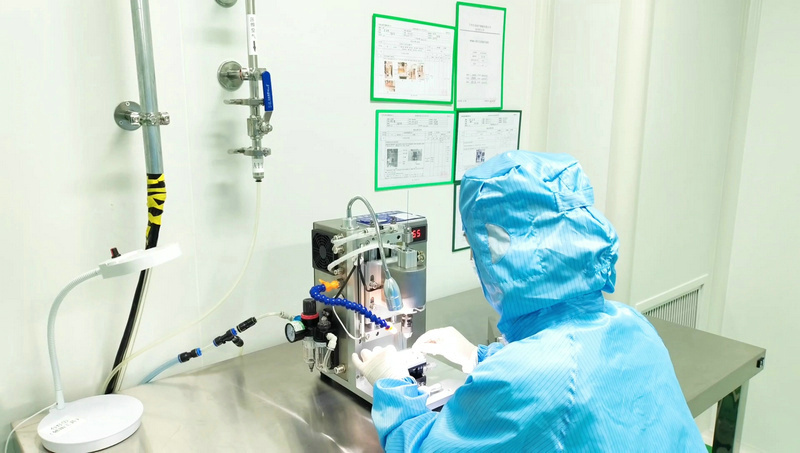
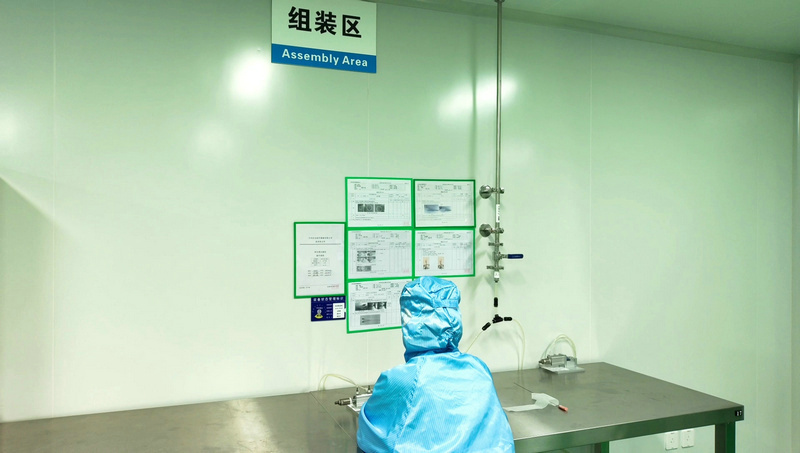
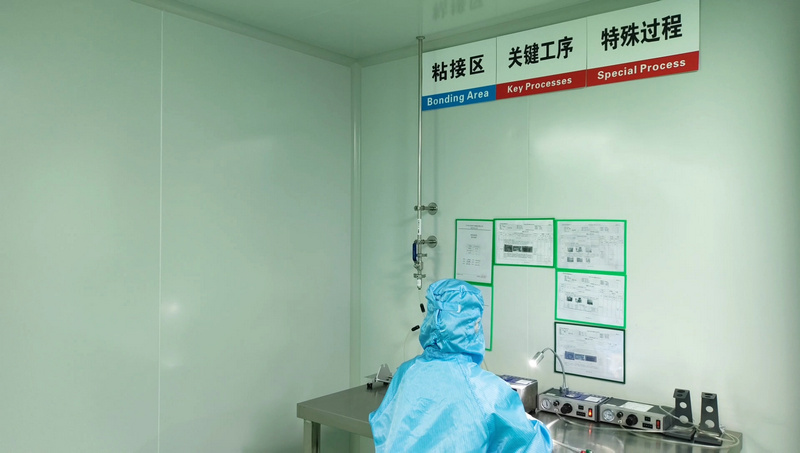
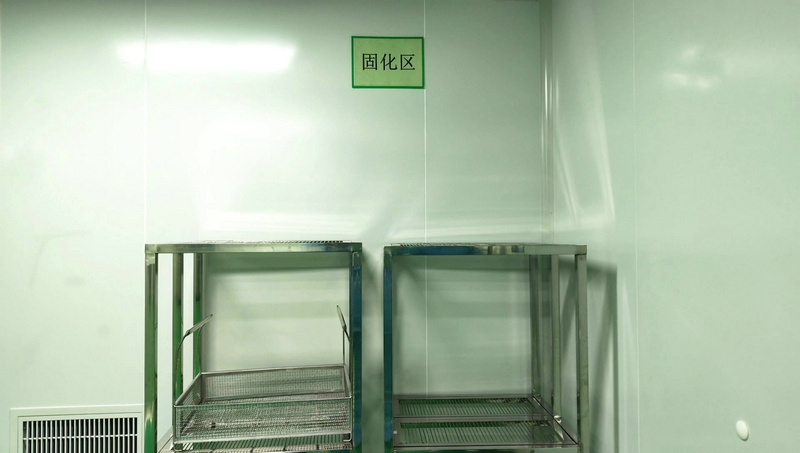
WEX Medical adheres closely to GMP standards. Our cleanrooms are certified to Class 100,000 limits, where bioburden is regulated. Below, we outline our verified production and assembly workflow steps:
Meeting stringent local standards, providing clinical insurance, and simplifying regulatory audits.
Distributing medical devices across different borders requires rigorous documentation and regulatory support. As a globally oriented orthopedic exporter, WEX Medical assists international partners with dynamic regulatory documentation services:
Furthermore, WEX Medical has secured clinical insurance coverage for our entire implant catalogue. This provides institutional buyers and healthcare providers with peace of mind regarding liability and patient outcomes.
Navigating volume, material sourcing, logistics, and quality assurance during B2B procurement.
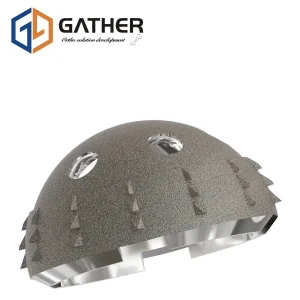
B2B procurement teams sourcing medical hardware from China must evaluate manufacturers based on quality systems, lead times, and capacity. When sourcing implants like spinal pedicle screws, intramedullary nails, or joint replacement cups, WEX recommends using this sourcing checklist:
1. Verify Material Certificates: Ensure all implant titanium derives from certified ASTM F136 specifications and PEEK implants utilize traceable medical-grade polymers with material certificates (such as Invibio's PEEK-OPTIMA).
2. Check Quality Control Audits: Confirm that the facility maintains valid certifications for ISO 13485:2016 and is ready for periodic quality audits. Ask to view records for cleanroom particulate levels and bioburden testing.
3. Review Packaging & Sterile Barriers: Sterile packaging must utilize breathable Tyvek membranes and puncture-resistant plastics validated for ethylene oxide or gamma radiation sterilization protocols.
4. Assess Shipping Timelines: Partner with a manufacturer that has experience with international customs procedures and offers air-freight arrangements to ensure consistent inventory levels.
Key technical answers to address technical, mechanical, and supply chain queries from medical purchasers.
WEX Medical uses biocompatible materials including medical-grade Titanium Alloys (Ti-6Al-4V ELI / ASTM F136), pure titanium (Grades 2 and 4), and PEEK (Polyetheretherketone). These materials are chosen for their mechanical strength, biostability, and low stress shielding properties.
Yes, our entire manufacturing pipeline and quality management systems are certified under ISO 9001, ISO 13485 (Medical Devices - Quality Management Systems), and CE mark specifications. This compliance ensures our products are approved for medical use in the European Union and other international markets.
We offer comprehensive OEM/ODM services. Using our CNC machining centers, sliding headstock lathes, and cleanroom assembly lines, we customize implants and matching surgical instrument sets to meet our clients' specific dimensional, material, and branding requirements.
Our medical packaging is completed in a GMP Class 100,000 cleanroom utilizing double-layered Tyvek sterile packaging bags. We verify packaging integrity using bubble leak tests and burst test equipment before sterilizing via Ethylene Oxide (EO) gas or gamma irradiation, guaranteeing shelf sterility upon arrival.
Every production batch undergoes comprehensive mechanical testing. This includes axial pullout testing, fatigue and torsional strength evaluation, dimensional checks using profile projectors, chemical testing with carbon/sulfur analyzers, and micro-defect screening with fluorescent fault detectors.
Precision internal fixation systems, interbody fusion cages, and orthopaedic trauma reconstruction systems.
 WEX Medical