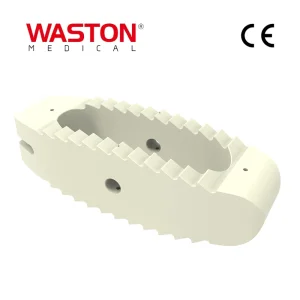
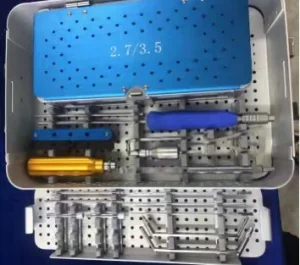
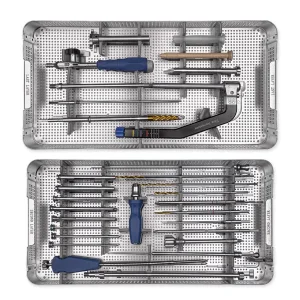
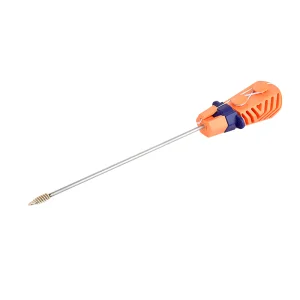
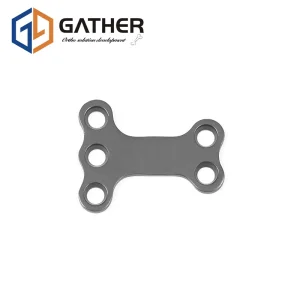
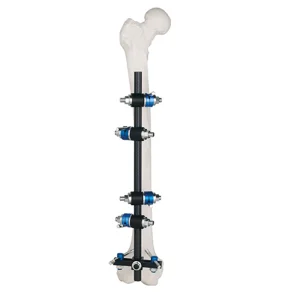
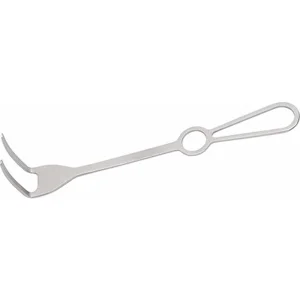
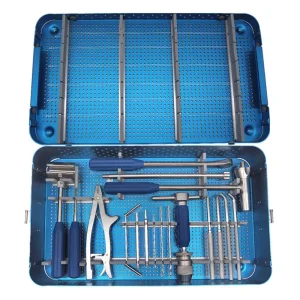
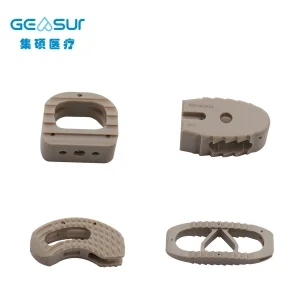
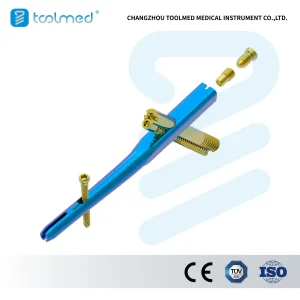
High-precision implants and instruments for advanced surgical procedures.
In the landscape of modern sports medicine and orthopedic surgery, the suture anchor has emerged as a cornerstone technology for soft-tissue-to-bone fixation. As global healthcare demands shift towards minimally invasive arthroscopic procedures, the role of China-based manufacturers has transitioned from simple component suppliers to high-end innovators. This white paper explores the critical success factors of China Wholesale Suture Anchors, focusing on material science, regulatory compliance, and the strategic advantages of the Chinese medical supply chain.
Today, a "Suture Anchor" is not merely a screw; it is a sophisticated system comprising an anchor body (Titanium, PEEK, or Bio-absorbable), high-strength sutures, and an ergonomic insertion driver. For global procurement officers, understanding the nuances of E-E-A-T (Experience, Expertise, Authoritativeness, and Trustworthiness) in a factory partner is paramount to ensuring patient safety and surgical efficacy.
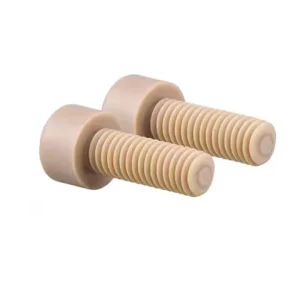
Utilization of medical-grade PEEK and Titanium Alloy (Ti-6Al-4V ELI) ensures biocompatibility and optimal pull-out strength.
Strict adherence to ISO 13485 and CE Marking standards ensures products meet stringent international regulatory frameworks.
China's integrated industrial clusters offer unmatched lead times and cost-efficiency through vertical integration of manufacturing.
Changsha WEX Medical Instruments Co., Ltd. exemplifies the pinnacle of Chinese orthopedic manufacturing, with more than two decades of innovation and production of orthopaedic implants. Their portfolio includes bone plates, bone screws, interlocking nails, spine implants/internal fixation systems, and specialized instruments branded as "WEX".
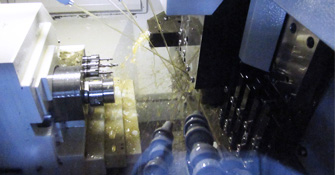
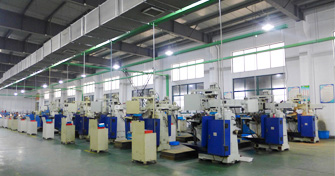
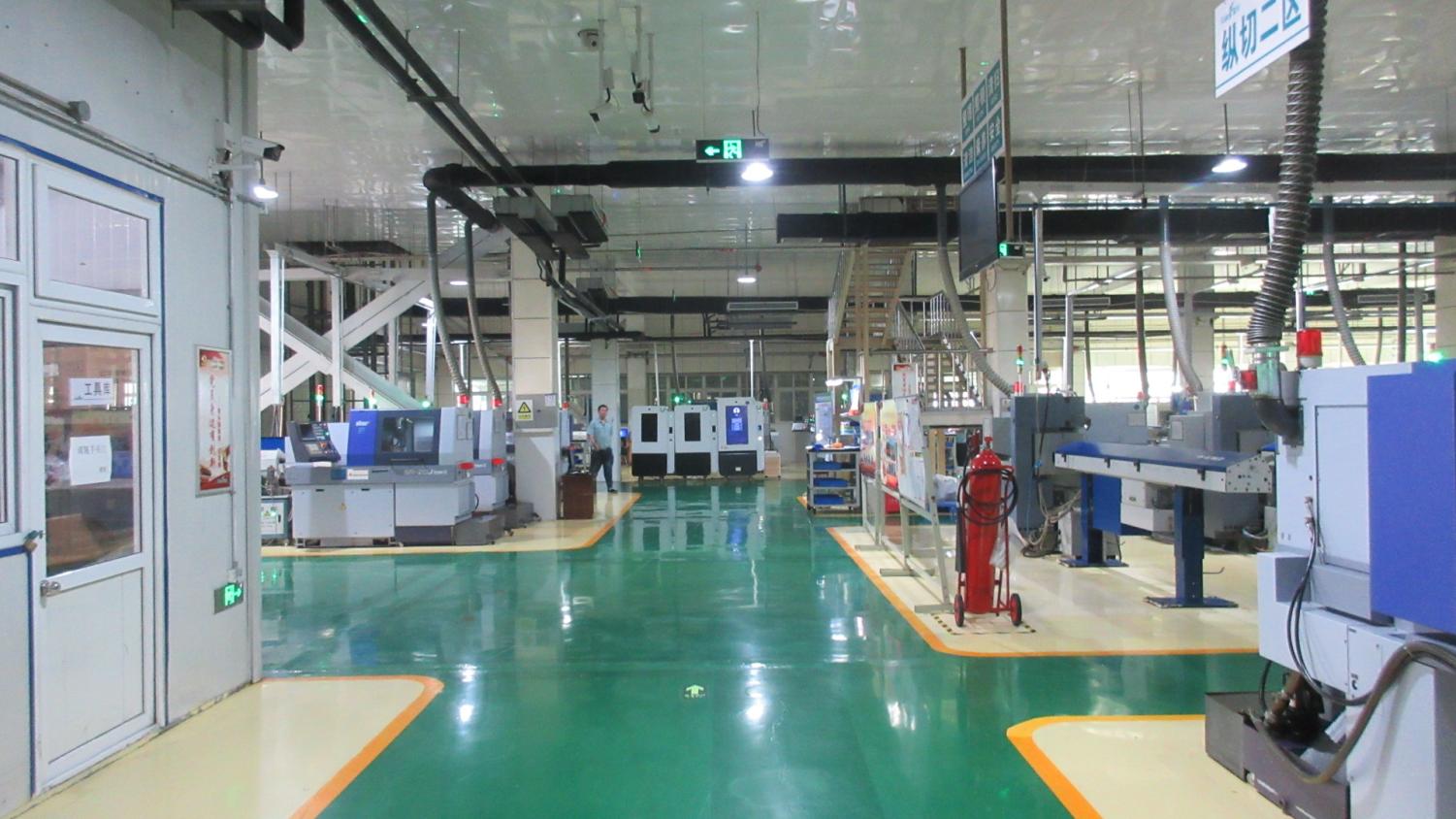
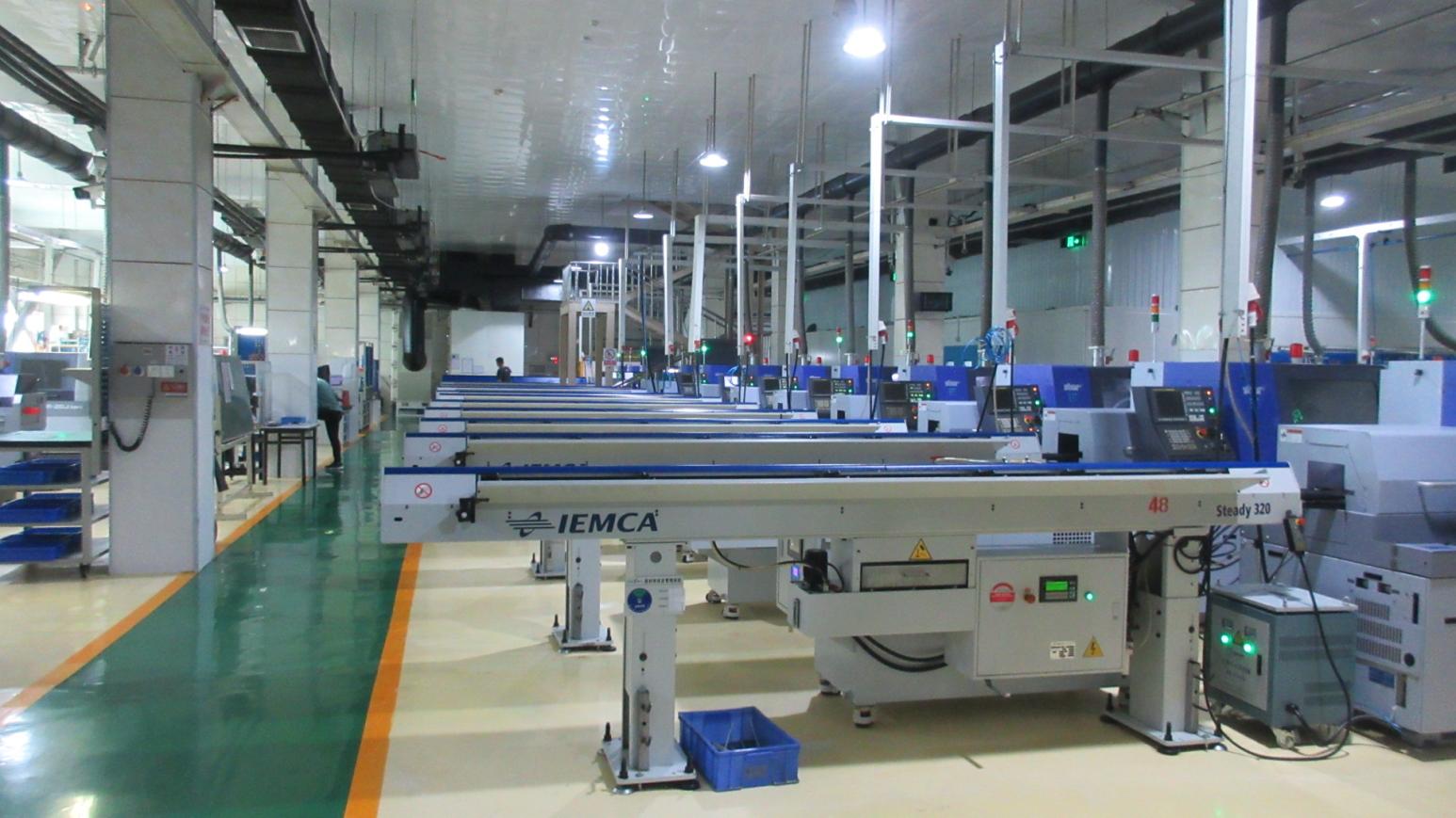
With a Quality Management System passed ISO 9001:2008 and ISO 13485:2003, WEX operates bright and spacious factory workshops equipped with more than a hundred production units, including advanced CNC machining centres, sliding headstock auto-lathes, and ultrasonic cleaning systems. Their commitment to quality is backed by advanced testing equipment like Carbon and Sulphur analyzers and Fluorescent fault detectors.
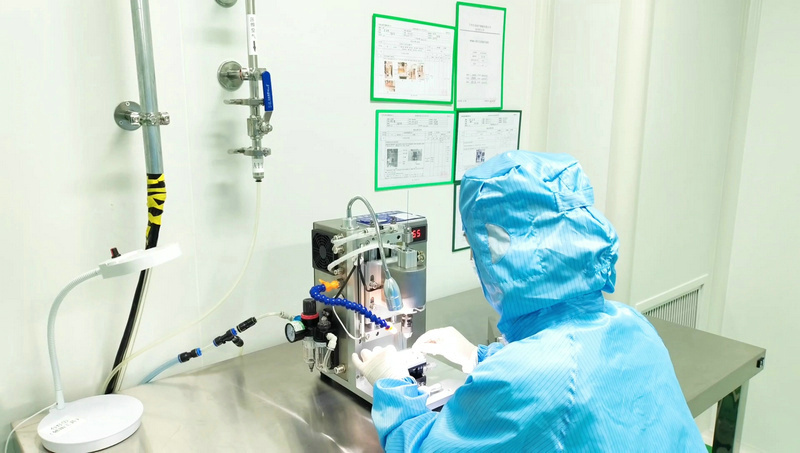
Precision Drilling
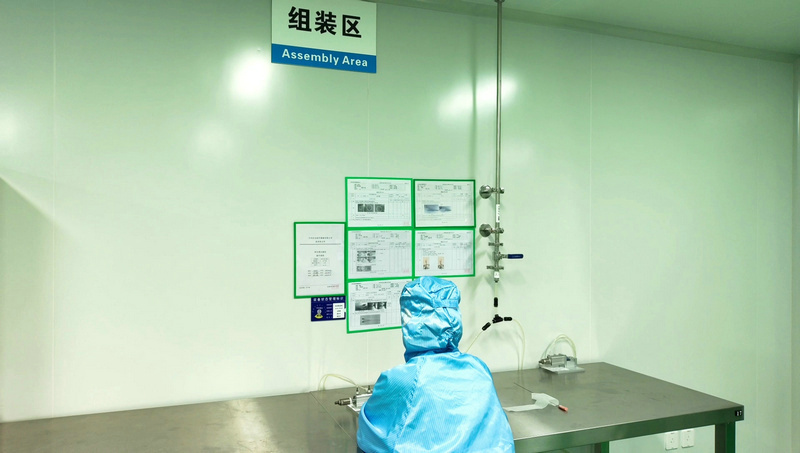
Expert Assembly
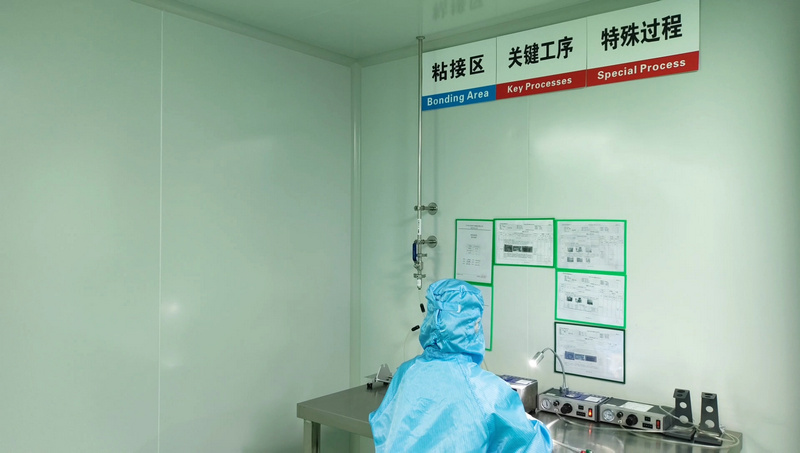
Secure Bonding
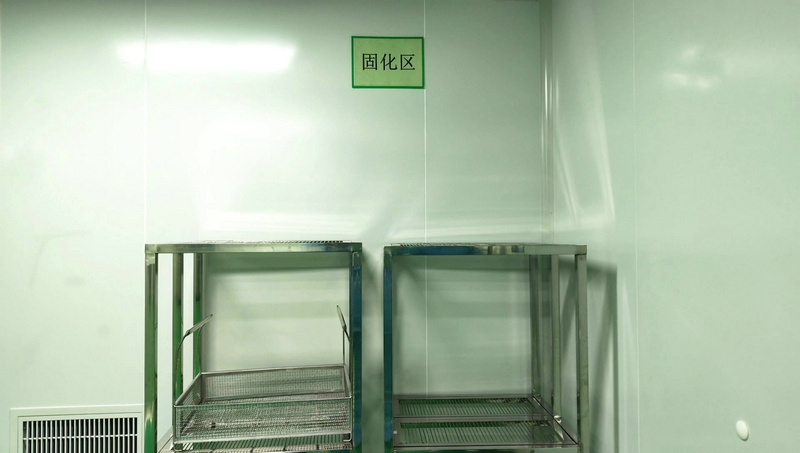
Quality Stabilization
The packaging process is conducted in a clean workshop line with GMP standards, ensuring that every suture anchor and orthopedic screw remains sterile and safe for clinical use. By collaborating with orthopedic experts in domestic large and medium-sized hospitals, WEX ensures that every design is rooted in clinical reality and verified through rigorous insurance protocols.
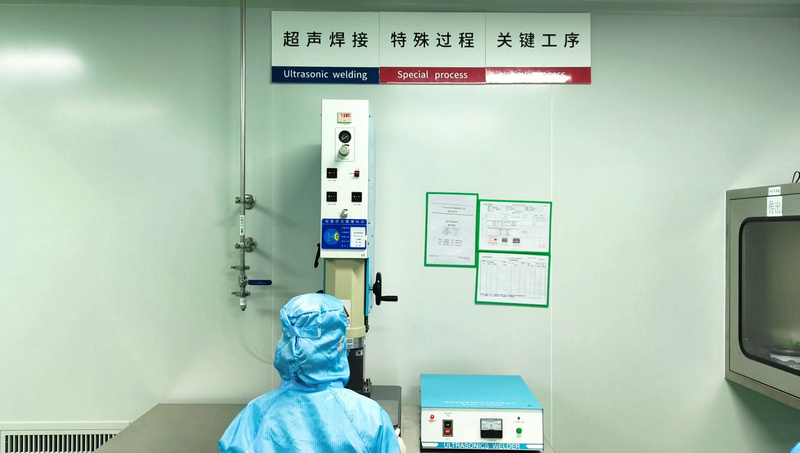
Ultrasonic Welding
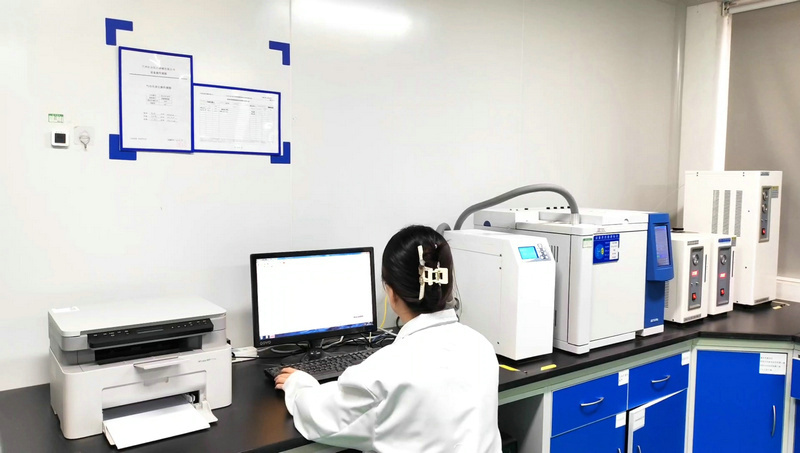
Gas Chromatography
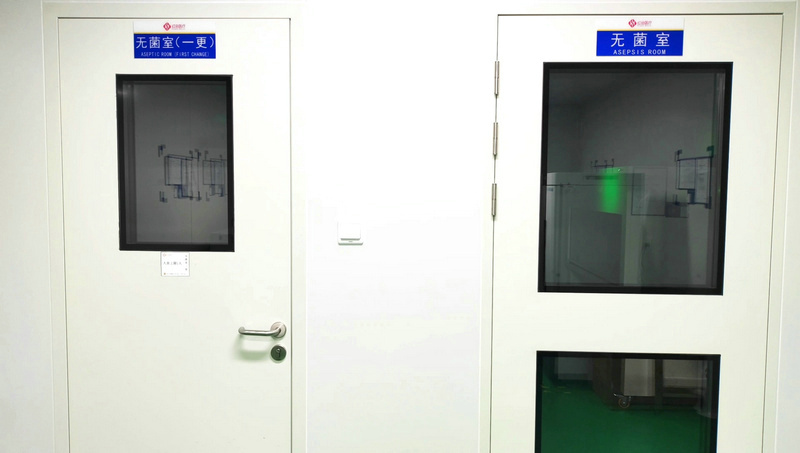
Asepsis Clean Room
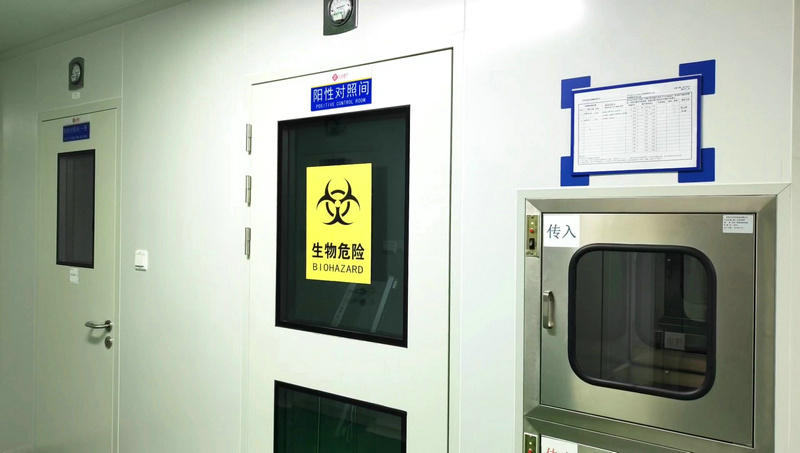
Positive Control
The wholesale suture anchor market in China benefits from industrial clusters in regions like Changsha, Jiangsu, and Guangdong. These clusters provide immediate access to raw medical materials (such as high-viscosity PEEK) and specialized surface treatment services (like anodizing or plasma spraying). This ecosystem reduces the "Time-to-Market" for custom OEM designs by 40% compared to Western counterparts.
Modern Chinese factories have transitioned to "Industry 4.0". By integrating AI-driven quality inspection, factories can identify microscopic defects in suture anchor threads that are invisible to the human eye. The use of sliding headstock auto-lathes allows for the simultaneous machining of complex anchor geometries, ensuring that the "eyelet" of the anchor is smooth enough to prevent suture fraying—a critical clinical failure point.
Working with a China Suture Anchor supplier like WEX Medical means more than just buying a product; it’s about localized regulatory support. Professional suppliers provide complete technical files for local registration (FDA 510k, SFDA, or MDR), including biocompatibility reports, sterilization validation, and mechanical testing data (e.g., ASTM F543 for bone screws).
Understanding user intent in searching for "Suture Anchors" requires looking at the surgical applications. These implants are vital in several key areas:
Used in Rotator Cuff repair and Bankart repair. High-strength PEEK anchors provide the necessary tension to reattach tendons to the humerus.
Crucial for ACL/PCL reconstruction and Meniscal repair. Biocomposite anchors are often preferred here for their gradual absorption by the body.
Used for Achilles tendon repair and lateral instability. Small-diameter anchors (2.0mm to 3.5mm) are the standard for these delicate areas.
The industry is moving toward knotless suture anchors, which simplify the surgical procedure and reduce the risk of "knot stacks" causing joint irritation. Additionally, the development of "All-Suture" anchors—which use a textile-based anchor body—allows for smaller drill holes, preserving more of the patient's natural bone stock. Chinese R&D centers are currently at the forefront of this "Bio-Minimalism" trend.
Ready-to-ship orthopedic implants with international certification.
 WEX Medical