Precision-engineered medical components, orthopaedic fixation systems, and customized structural hardware designed for clinical applications globally.
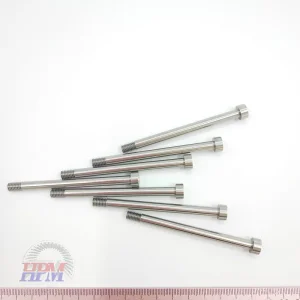
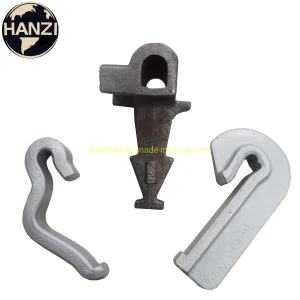

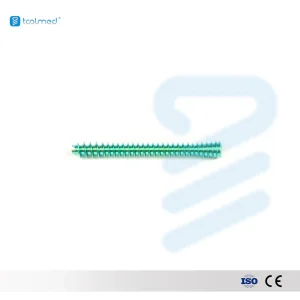
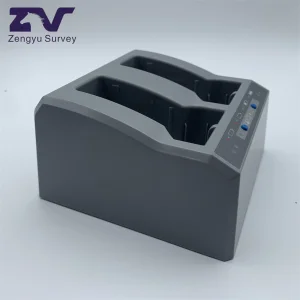
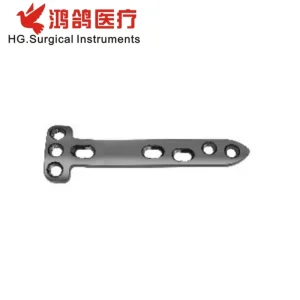
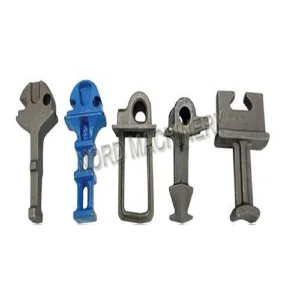
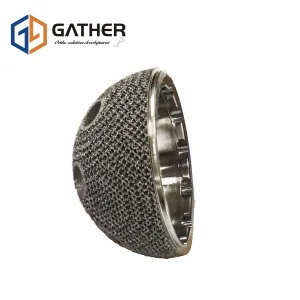
Modern clinical settings demand absolute precision. The convergence of diagnostic ultrasound systems with orthopedic surgery planning marks a significant shift in patient care. Point-of-Care Ultrasound (POCUS) is no longer a standalone tool. It is increasingly integrated into intraoperative environments to ensure safe implant positioning, monitor real-time tissue dynamics, and assess musculoskeletal interfaces during trauma reconstruction.
Changsha WEX Medical Instruments Co., Ltd. holds over two decades of industry expertise in designing, manufacturing, and exporting advanced medical systems. From Class III orthopedic implants—such as bone plates, intramedullary nails, and spinal fixation systems—to precision diagnostic integration, our portfolio is certified under strict ISO 9001, ISO 13485, and CE quality protocols. We build dependable diagnostic and interventional systems for global healthcare markets.
At the center of our manufacturing operations is a comprehensive Quality Management System conforming to ISO 9001:2008 and ISO 13485:2003. We ensure all mechanical components, titanium implants, and medical hardware meet international regulatory standards. Our clinical safety and supply chain security are validated through structured tracking, from design phases to final distribution.
Our technical infrastructure supports consistent production quality and supply continuity for global B2B procurement partners.
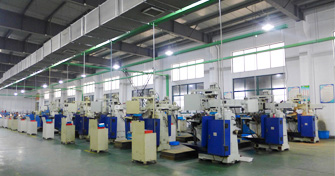
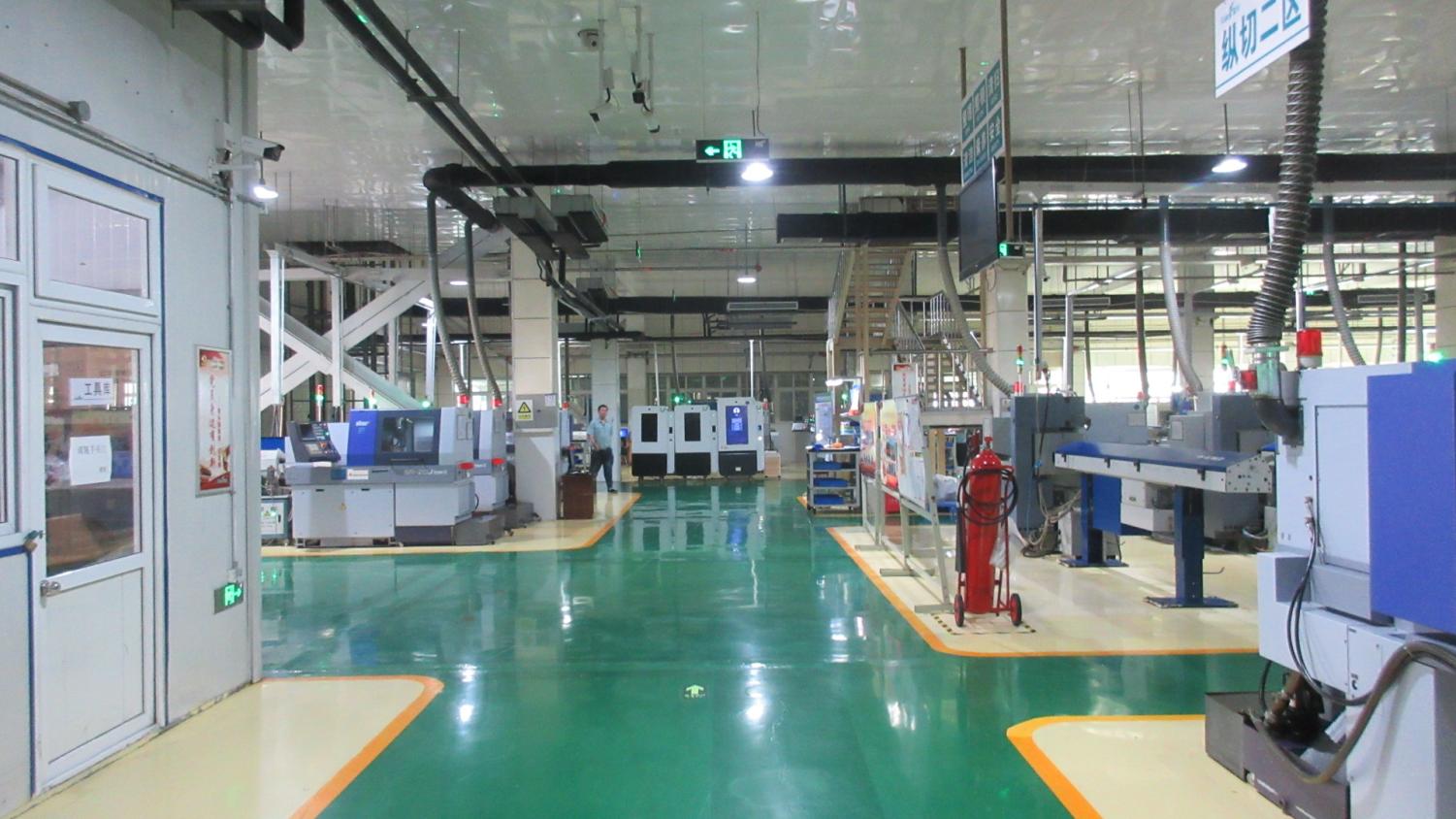
Leveraging advanced automation, cleanroom protocols, and automated manufacturing systems to ensure high quality and cost efficiency.
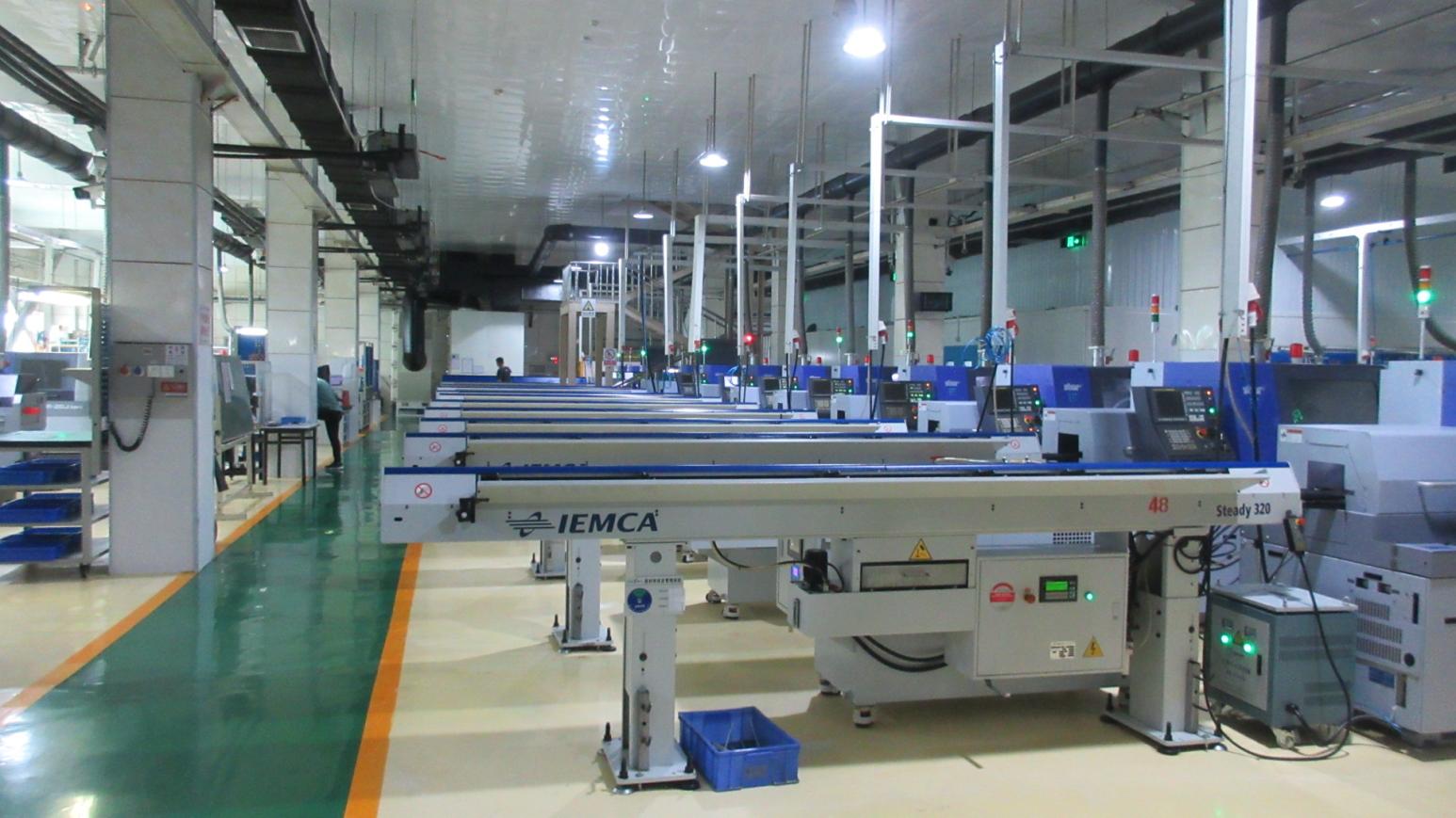
Modern medical manufacturing requires strict control over raw materials and structural tolerances. At our production facility, we operate more than one hundred advanced production units. These include high-precision CNC machining centers, sliding headstock automatic lathes, CNC milling machines, CNC lathing units, and specialized ultrasonic cleaning lines. This manufacturing ecosystem ensures that each component—whether an orthopedic implant, surgical instrument, or custom housing for diagnostic imaging equipment—meets exact technical specifications.
By using medical-grade Titanium (Grade 5 / Ti-6Al-4V ELI) and implant-grade stainless steels, we provide high structural durability. Our manufacturing workflows are vertically integrated. This means we handle raw material inspection, precision machining, surface finish processing, ultrasonic cleaning, and sterilization packaging in-house, maintaining product quality while controlling operational costs.
| Manufacturing Stage | Infrastructure & Technology Applied | Standards & Quality Metrics Achieved |
|---|---|---|
| Raw Material Sourcing | Certified Titanium Alloy, High-grade Stainless Steels | Carbon and Sulfur analysis, Pitting LP detection |
| Precision Machining | Advanced CNC sliding headstock auto-lathes & multi-axis mills | Micron-level tolerance verification, computerized laser inspection |
| Decontamination & Cleanliness | Multi-stage ultrasonic cleaning systems with purified water | Zero-residue chemical wash, biological safety clearance |
| Verification & Stress Analysis | Tensile-testing equipment, Durometers, Fluorescent fault detectors | Mechanical load limits and fatigue profiling |
| Packaging & Sterilization | Class 10,000 / Class 100 sterile environments (GMP standard) | Asepsis Room control, positive pressure monitoring |
How advanced ultrasound diagnostic imaging is evolving, and its role in modern medical hardware manufacturing.
The integration of Artificial Intelligence (AI) and machine learning algorithms directly into the digital signal processing units (DSPU) of ultrasound machines allows for real-time noise reduction, automated boundary detection, and automated organ measurements. This technology minimizes user-dependent errors and helps clinicians make faster diagnostic decisions in busy clinical environments.
Portable and handheld ultrasound systems are changing how clinicians perform bedside examinations. By miniaturizing transesophageal and transthoracic transducers onto single-chip ASIC platforms, manufacturers can deliver diagnostic capabilities in compact forms, allowing emergency departments, trauma centers, and rural clinics to access high-quality imaging immediately.
Developing single-crystal piezoelectric materials and capacitive micromachined ultrasonic transducers (CMUTs) has improved acoustic efficiency and bandwidth. This innovation allows for higher spatial resolution, helping doctors visualize subtle musculoskeletal structures, micro-vascularization patterns, and deep-seated anatomical tissues.
Providing scalable diagnostic and therapeutic infrastructure solutions for diverse clinical environments globally.
For large-scale medical centers, our systems focus on high-throughput efficiency, multi-disciplinary compatibility, and digital connectivity (DICOM / PACS). We design solutions that combine imaging diagnostics with surgical workflows, improving efficiency across general radiology, cardiology, and orthopedic surgery departments.
In emergency settings, equipment durability and battery life are critical. Our specialized portable solutions feature rugged outer shells, water-resistant enclosures, and quick-boot software, ensuring medical personnel can perform fast scans under difficult conditions.
By connecting high-resolution ultrasound imaging with orthopedic implant surgical planning, clinics can view structural joints and surrounding soft tissues simultaneously. This integration supports more accurate planning for joint replacements, spinal surgeries, and internal fixations.
A step-by-step look at our cleanroom manufacturing, machining, testing, and quality control steps.
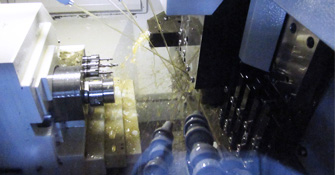
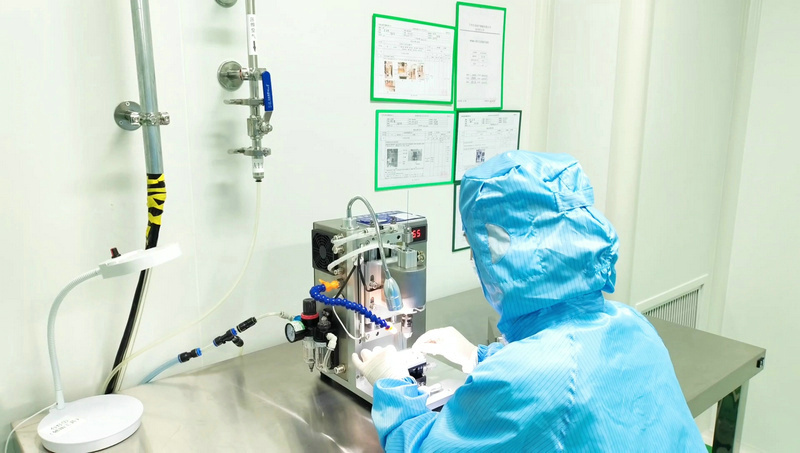
Precision CNC micro-drilling for anatomical alignment screws and plates.
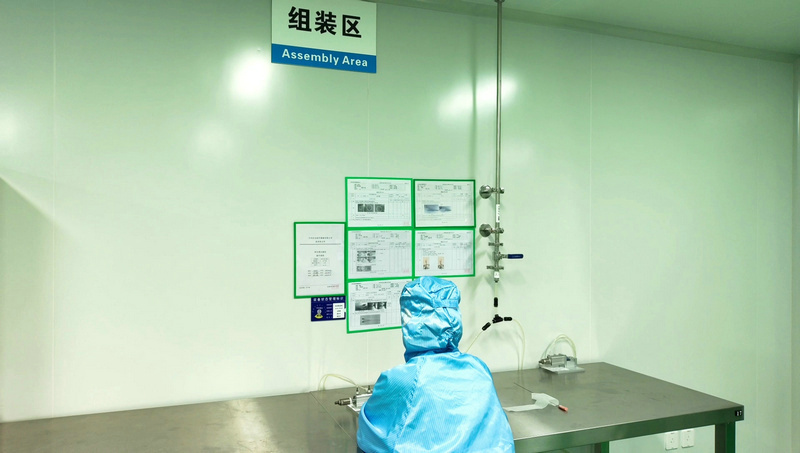
Multi-component fitting under cleanroom environmental conditions.
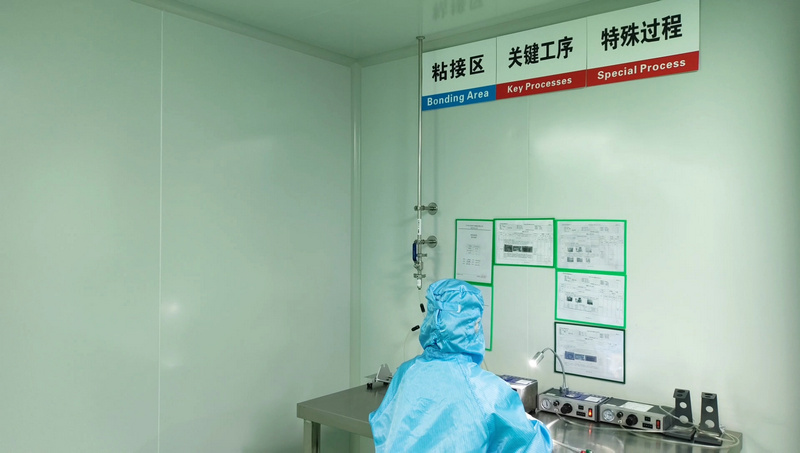
High-strength material bonding and interface verification.
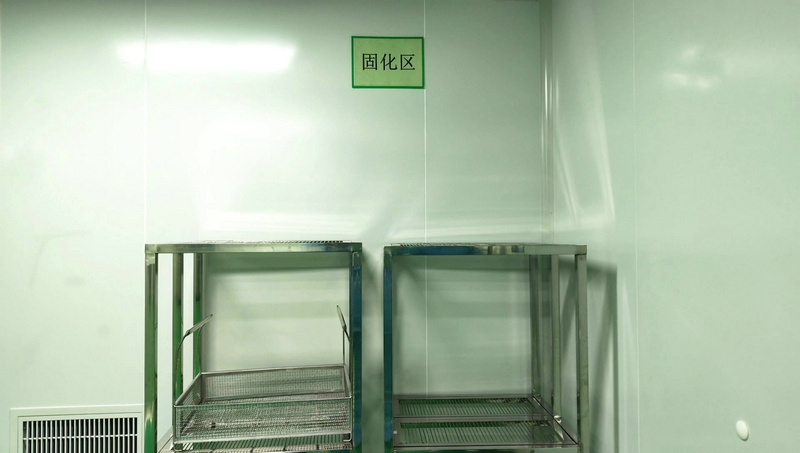
Controlled thermal stabilizing to relieve internal material stresses.
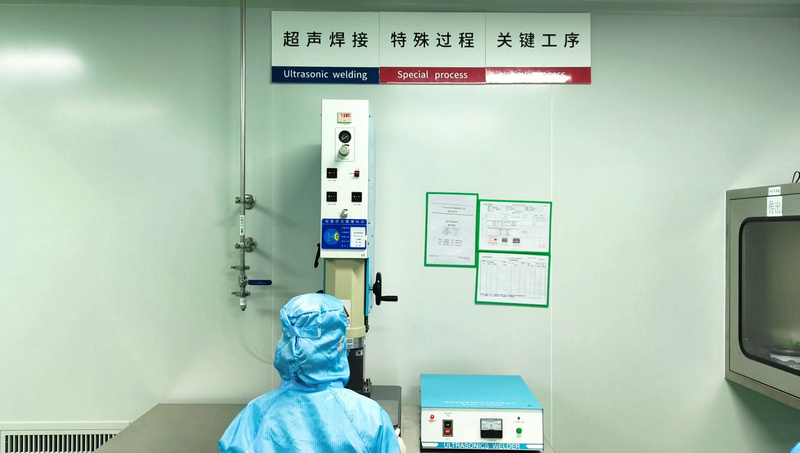
High-frequency ultrasonic welding to ensure solid material fusion.
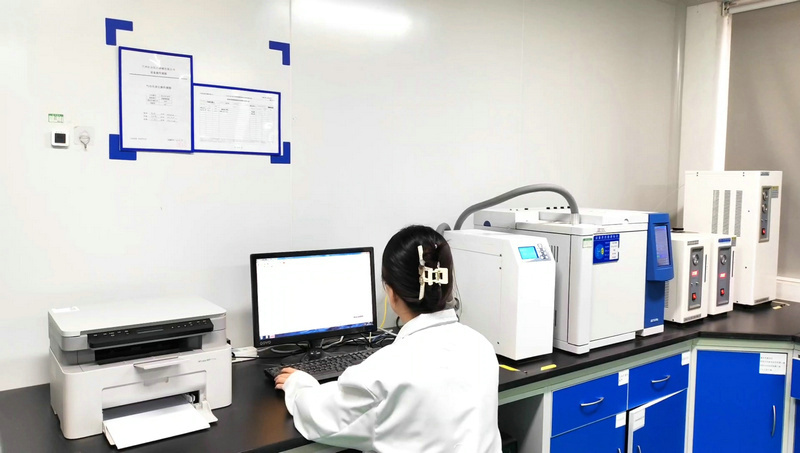
Testing for trace chemical compounds and purity analysis.
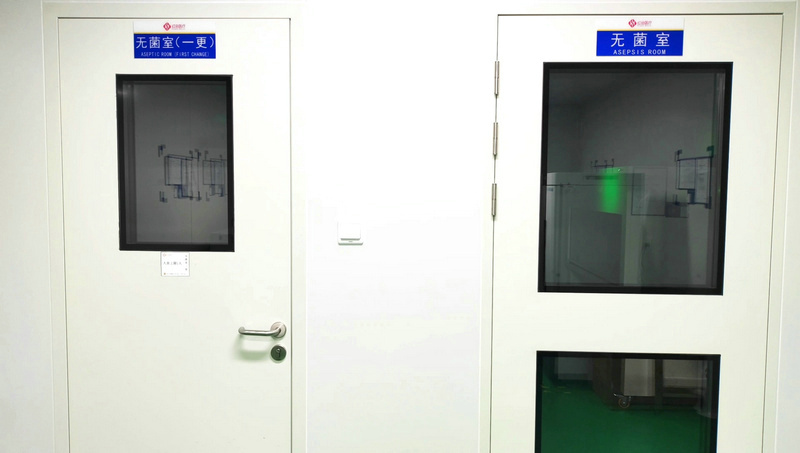
Microbiological testing inside sterile enclosures.
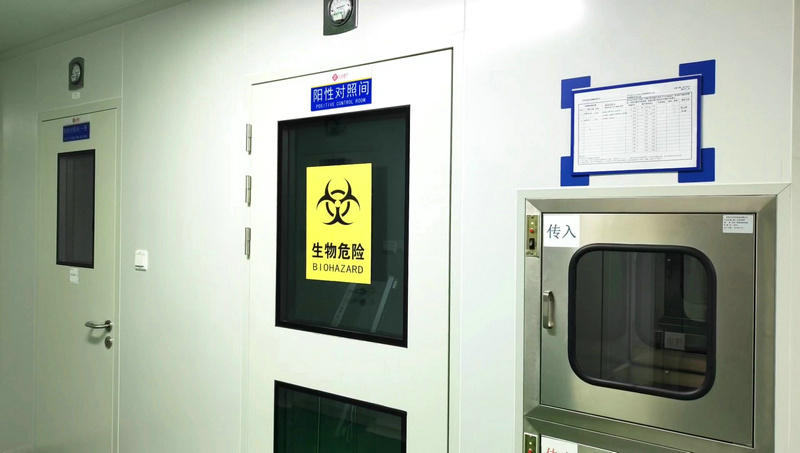
Quality assurance and biocontamination benchmarking.
Navigating international regulatory frameworks to ensure seamless medical device custom clearance and market adoption.
Entering international healthcare markets requires adherence to complex standards. As a qualified manufacturer, we verify that our products comply with the CE mark (Medical Devices Directive 93/42/EEC / Medical Device Regulation 2017/745) and regional FDA requirements. Our facility is designed to meet GMP (Good Manufacturing Practice) standards. We support our procurement partners by providing complete technical documentation, including raw material certificates, sterile validation reports, and biocompatibility studies.
To support global supply chains, we offer comprehensive OEM and ODM services. From initial CAD modeling and finite element analysis (FEA) to pilot runs and scale manufacturing, we help clients bring custom medical hardware, diagnostic imaging cases, and orthopedic implants to market efficiently.
Answers to common questions regarding manufacturing capabilities, compliance certifications, and ordering processes.
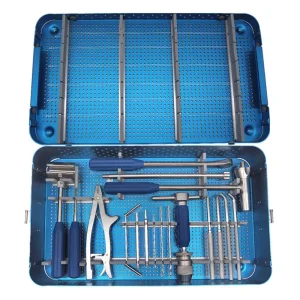
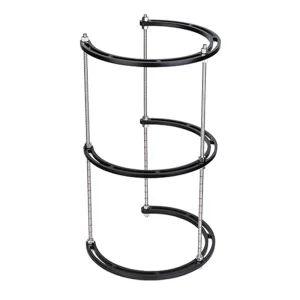
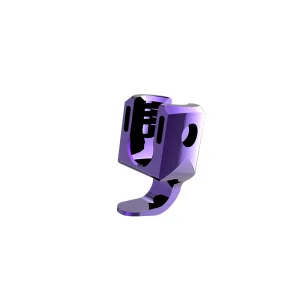
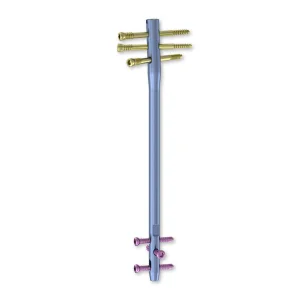
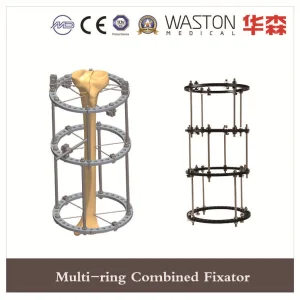
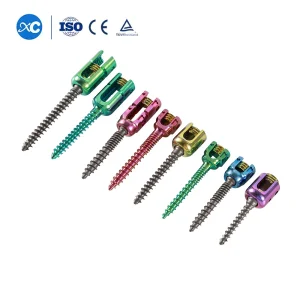
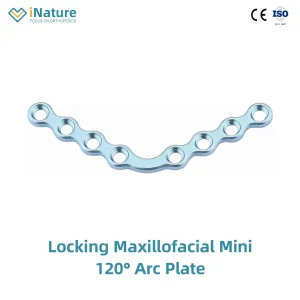
Discover our complete line of intramedullary nails, external fixators, pedicle screws, and specialty mounting accessories.

 WEX Medical