Explore our top-tier surgical implants and interlocking systems designed under stringent ISO and CE guidelines for optimal patient stabilization.
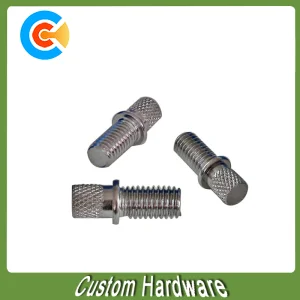
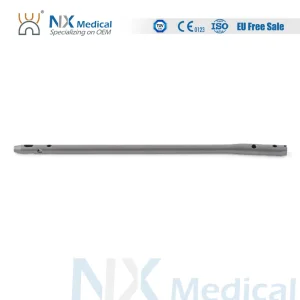
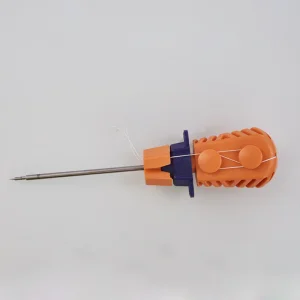
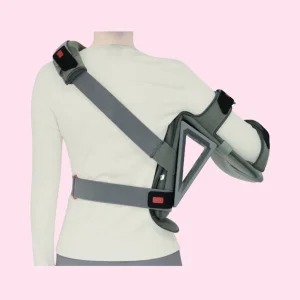
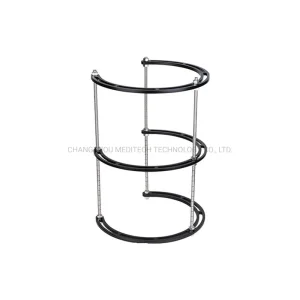
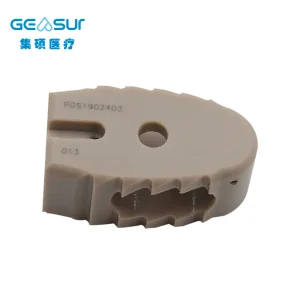
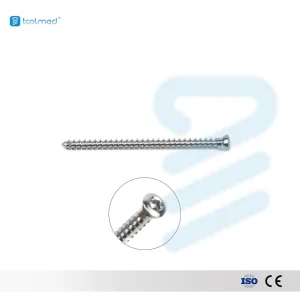
Changsha WEX Medical Instruments Co., Ltd. (branded under the trademark "WEX") stands as a beacon of research, development, and high-precision production of orthopedic implants and stabilization hardware.
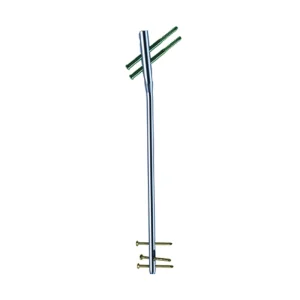
Over the last 20 years, WEX has cultivated a deep reserve of intellectual property and clinical design experience. Our robust portfolio spans high-grade bone plates, intramedullary locking nails, spinal internal fixation systems, suture anchors, and customized external bracing components. Every single implant complies with global regulatory landscapes, backed by rigorous CE and ISO 9001 / ISO 13485 certifications.
We work hand-in-hand with clinical trauma units, global distributors, and orthopedic specialists to match and exceed the technical standards demanded by modern surgery. We recognize that medical devices require zero margins of error, which is why our design paradigms align precisely with the requirements of major hospitals globally.
How we integrate biomechanics, smart sensor tracking, and progressive material science into our orthopedic engineering pipelines.
Traditional rigid immobilization can lead to muscle atrophy and joint stiffness. WEX is developing dynamic stabilization platforms for wrist orthoses and splints. By leveraging variable-resistance polymer joints and adaptive carbon-fiber struts, our next-generation braces allow micro-movements that promote blood circulation and accelerate tissue recovery while preventing harmful hyperextension.
We are actively researching the integration of thin-film pressure sensors and accelerometer arrays directly into rehabilitation braces. These sensors track patient compliance, range of motion, and localized swelling. Through low-energy Bluetooth, the data is pushed to a secure cloud platform, enabling physical therapists to monitor patient recovery milestones remotely.
Addressing the growing demand for green manufacturing and circular medicine, our research team is evaluating biodegradable bio-composite polymers. These materials maintain structural integrity for the clinical recovery window (6-12 weeks) and subsequently undergo safe degradation profiles or simple post-consumer recycling processes without environmental toxicity.
Tailored therapeutic stabilization pathways targeting aging populations, ergonomic sports medicine, and intensive postoperative recovery.
Osteoporosis and degenerative arthritis present complex challenges for wrist joint stabilization. Our solution integrates soft, thermoformable inner layers with stiff, anatomical outer shells. This configuration distributes pressure evenly across the carpal bones, mitigating focal pressure points and offering painless daily support for geriatric patients.
Repetitive Strain Injuries (RSI) and Carpal Tunnel Syndrome (CTS) are rampant in administrative and assembly lines. We manufacture preventative, low-profile wrist supports featuring targeted palmar splints. These supports maintain the wrist in a neutral posture without restricting finger dexterity, ensuring maximum workplace compliance.
Following internal fixation of distal radius fractures, external support is critical. WEX provides specialized post-op braces designed with window cutouts for surgical dressing management and ventilation. This design significantly lowers the incidence of surgical site infections (SSIs) while maintaining rigid mechanical immobilization.
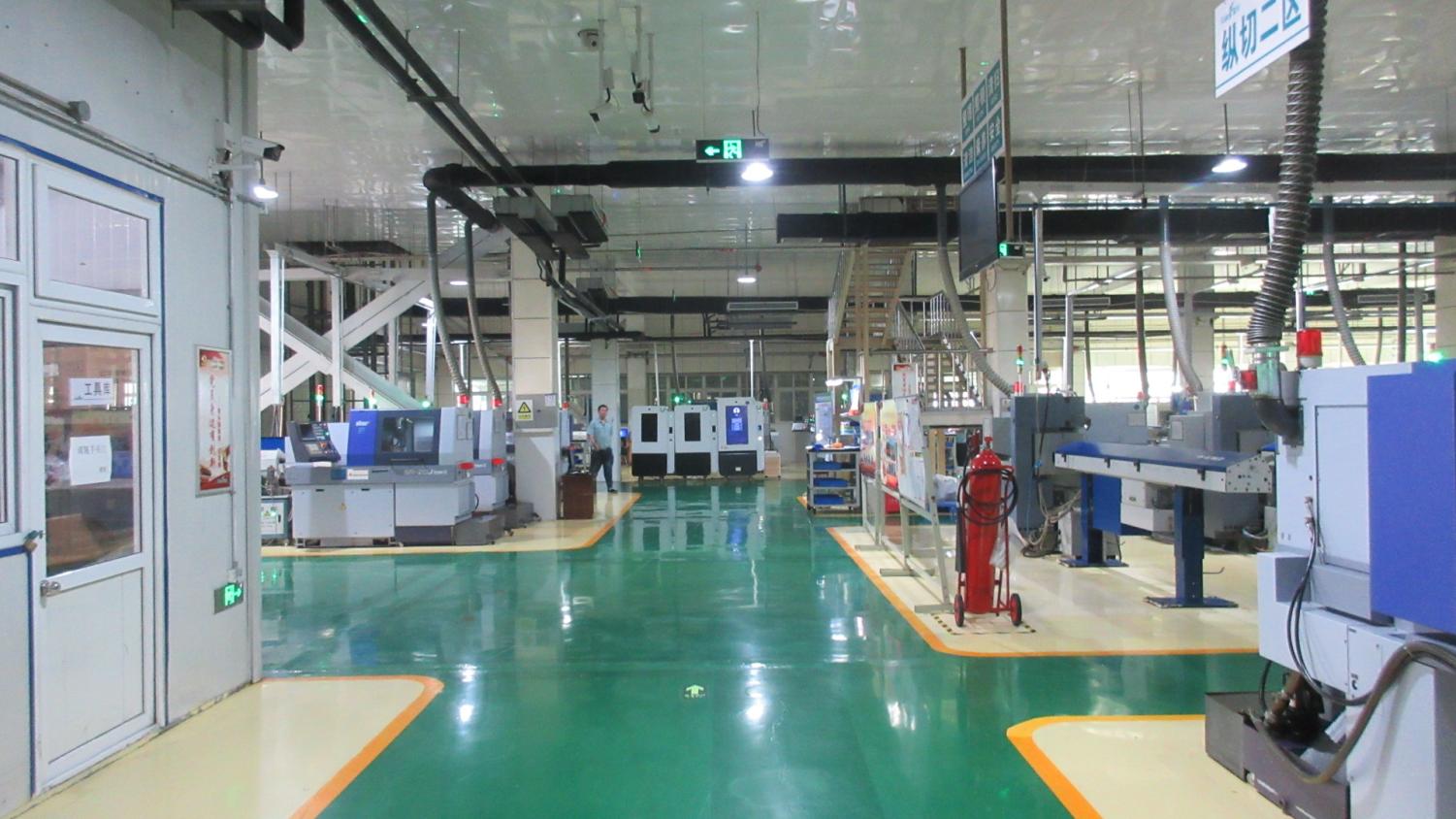
Inside our advanced ISO 13485 facility: from precision machining and ultrasonic welding to state-of-the-art sterility verification in GMP cleanrooms.
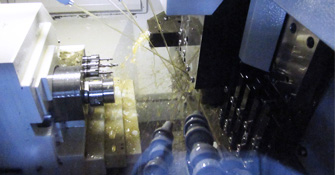
Ultra-precise structural micro-hole drilling using multi-axis CNC setups.
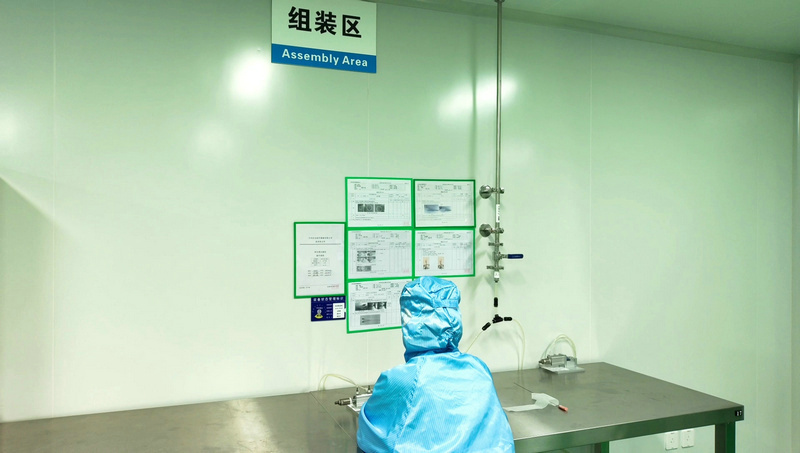
Micro-tolerance mechanical fitting conducted by specialized operators.
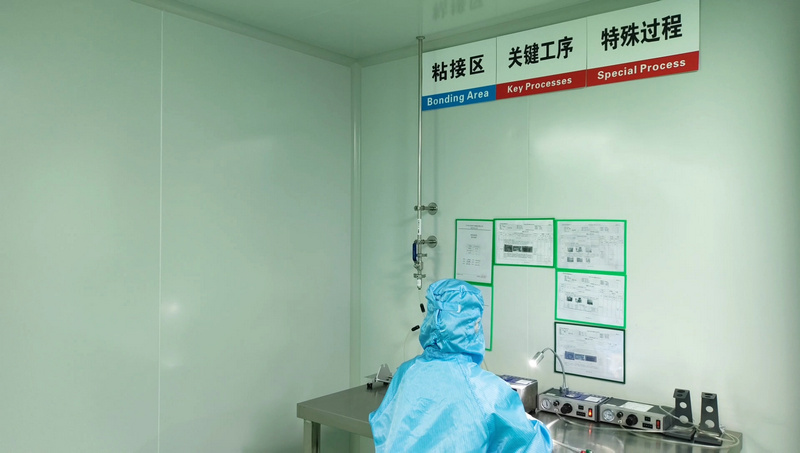
High-strength bio-compatible adhesive application and thermal curing.
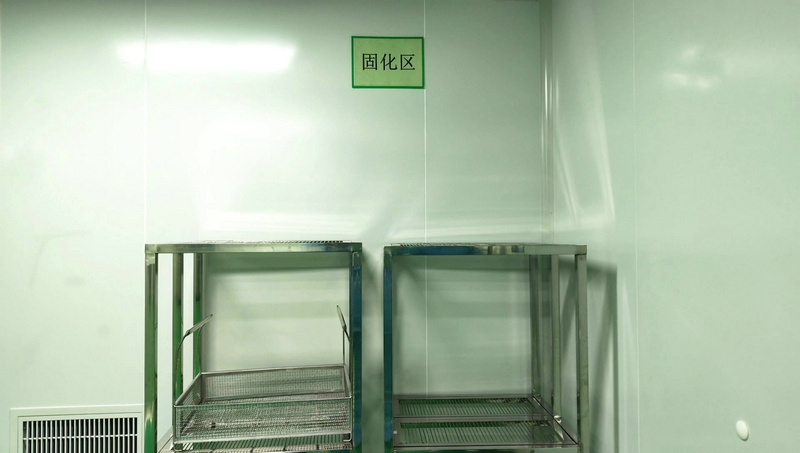
Rigorous stress-testing to guarantee continuous, stable alignment.
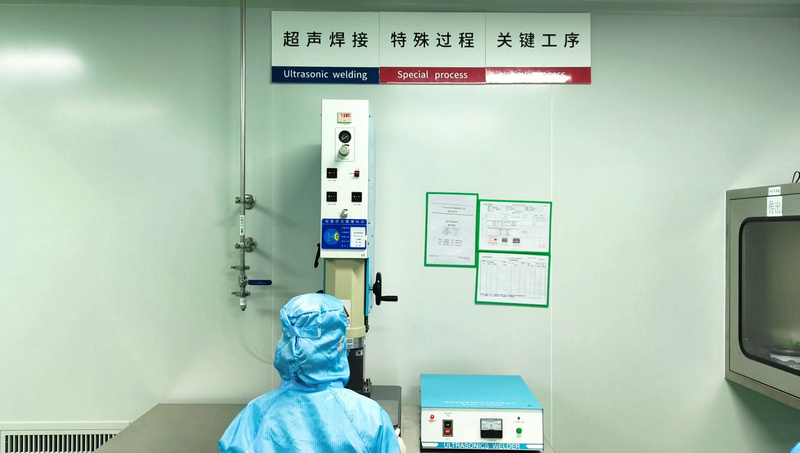
High-frequency molecular weld joining of polymeric elements without heat.
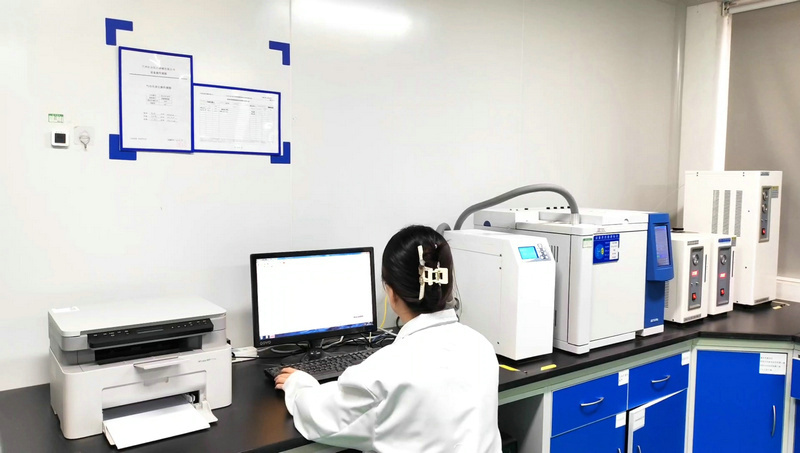
Rigorous verification of minimal sterilization residual emissions.
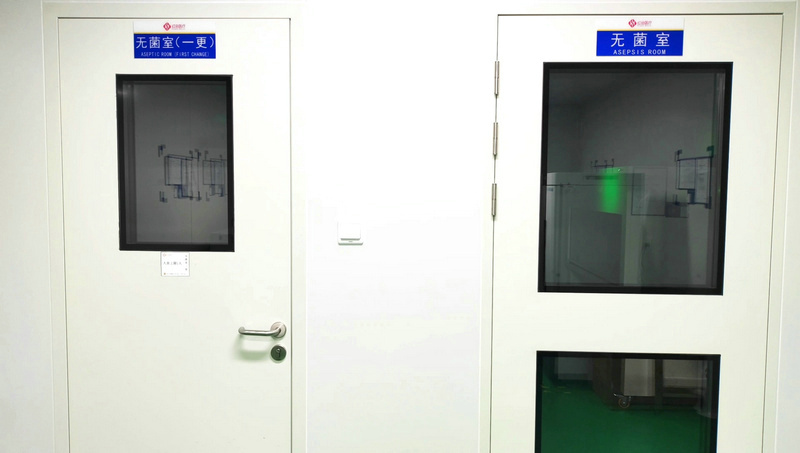
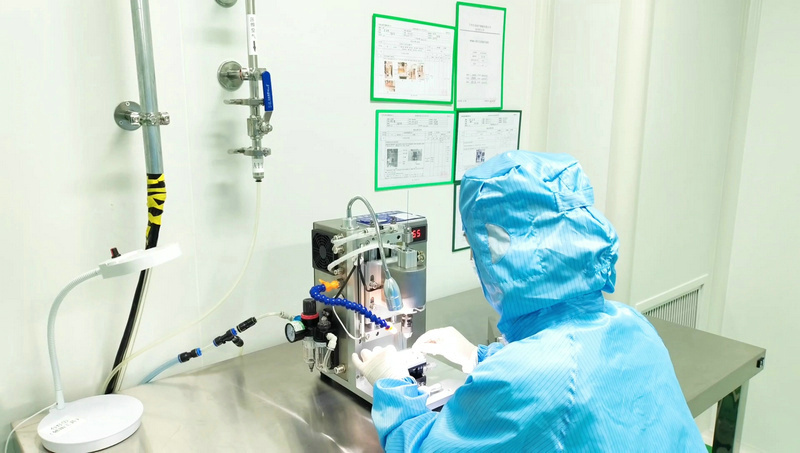
Cleanroom environment safeguarding raw components from microbial contamination.
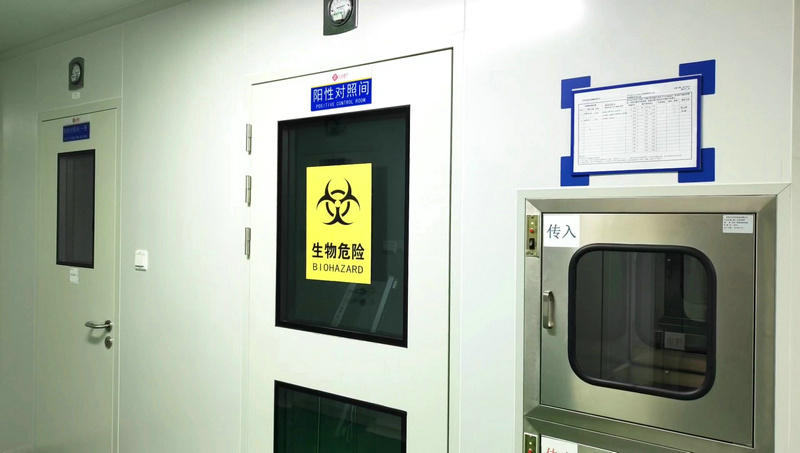
Active microbiological growth monitoring to validate cleanroom efficacy.
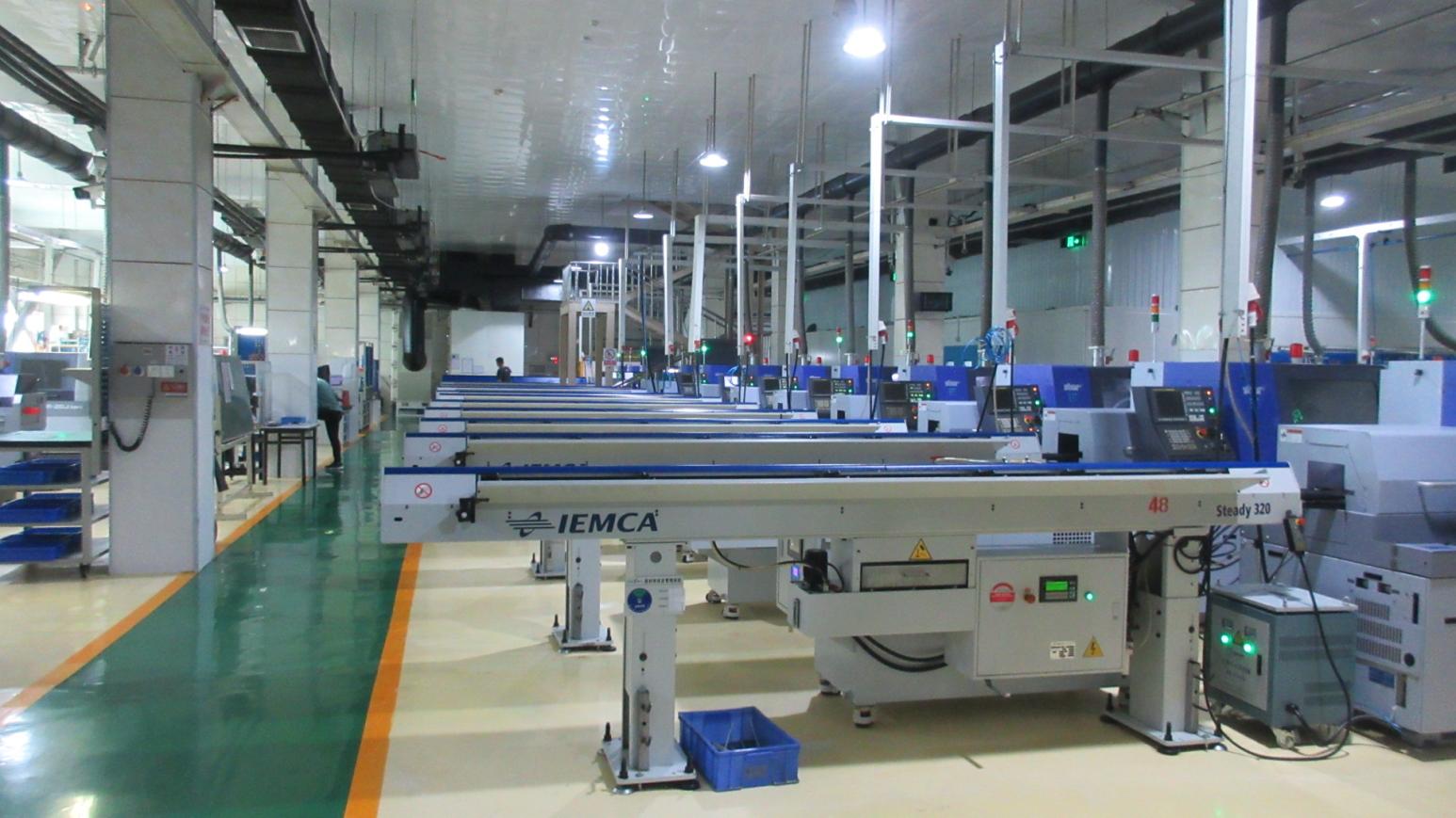
Our manufacturing floor covers several thousand square meters of high-end machinery. With a quality control system that transitioned seamlessly from older paradigms to current high-standard ISO 9001 and ISO 13485 requirements, we run over a hundred advanced manufacturing machines. This array includes sliding-head CNC auto-lathes, high-speed milling lines, and high-capacity ultrasonic washing stations that prepare implants for medical sterilization. Packaging is handled under strict GMP standards, preventing particulates from contaminating products before they arrive in clinical settings.
Furthermore, testing is fully integrated into every production run. Projectors measure dimensional profiles to the nearest micron; tensile testing machines confirm ultimate tensile and yield strengths; carbon/sulfur analyzers verify alloy ratios; and fluorescent fault detection methods reveal microscopic cracks that could cause failure under mechanical stress. This extensive level of quality management is why global healthcare systems place their trust in our brand.
Navigating complex international regulatory frameworks to ensure seamless importation and clinical clearance.
For European distribution, WEX provides full technical documentation files aligned with EU Medical Device Regulation (MDR 2017/745). This includes Clinical Evaluation Reports (CER), Biocompatibility Studies (ISO 10993), and risk assessment files (ISO 14971) to streamline local CE registration.
Our logistical teams handle customs classification, harmonized tariff codes (HS Codes), and documentation required for medical clearance. We offer flexible delivery terms including DDP (Delivered Duty Paid), taking full responsibility for clearance, import duties, and port logistics.
In accordance with global standards, we offer custom packaging and instructions for use (IFUs) translated into target local languages. All barcoding and labeling comply with unique device identification (UDI) regulations required by the FDA and EMA.
We select materials based on strict clinical requirements, verifying fatigue limits, biological inertia, and imaging compatibility.
| Material Class | Common Standard | Biocompatibility Index | Primary Clinical Application | MRI Compatibility |
|---|---|---|---|---|
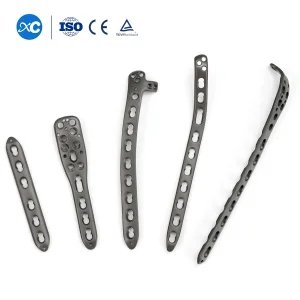
| Medical Titanium (Gr. 5 / Eli) | ASTM F136 / ISO 5832-3 | Excellent (Bio-inert, Osteointegrating) | Internal plates, intramedullary locking nails, bone screws | Highly compatible (Low artifacts) |
| Surgical Stainless Steel | ASTM F138 / ISO 5832-1 | High (Contains nickel, minimal allergen risk) | External fixator pins, temporary bone screws, cerclage wire | Moderate artifacts |
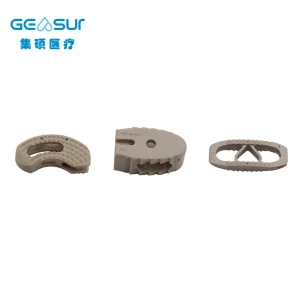
| PEEK (Polyetheretherketone) | ASTM F2026 | Excellent (Bio-inert, Radiolucent) | Spine cages, internal fusion implants, suture anchors | Perfectly transparent (Zero artifacts) |
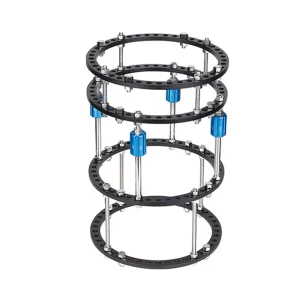
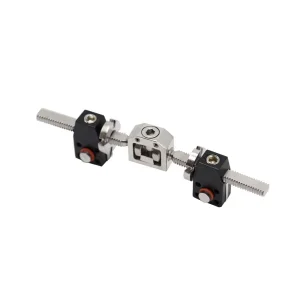
| Medical-Grade Aluminum Alloy | Anodized Al 6061-T6 | External use only (Non-implantable) | Ilizarov external fixator rings, support brackets | N/A (External device) |
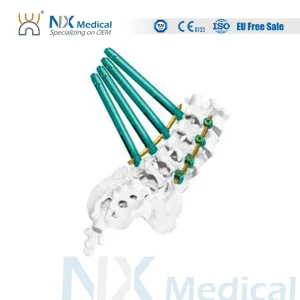
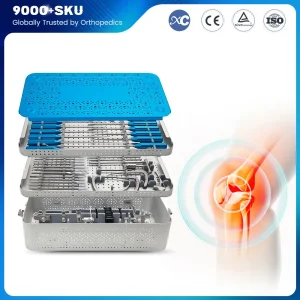
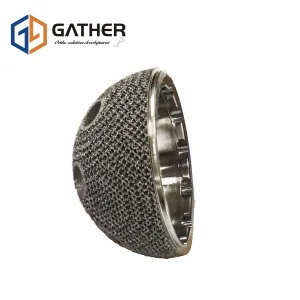
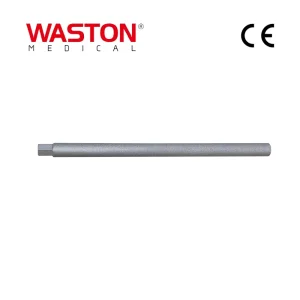
Premium instrumentation sets, spinal fusion systems, and external stabilization solutions built for operating room reliability.
Find immediate answers to common questions about materials, sterility validation, regulatory files, and production lead times.
 WEX Medical