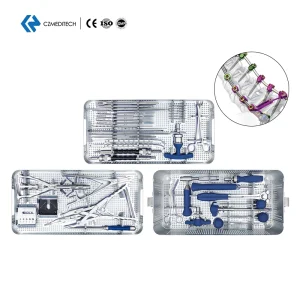
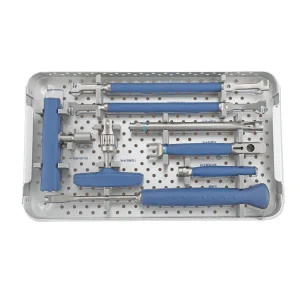
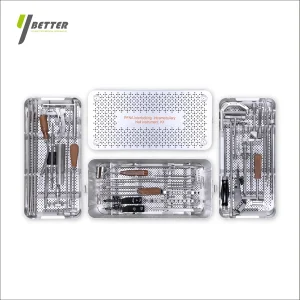
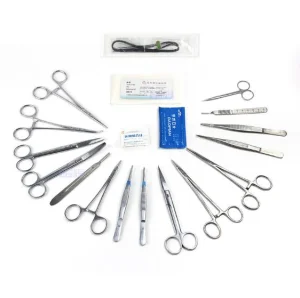
Engineered to meet the rigorous clinical standards of Equatorial Guinea's expanding healthcare infrastructure, providing absolute mechanical fidelity during complex trauma interventions.
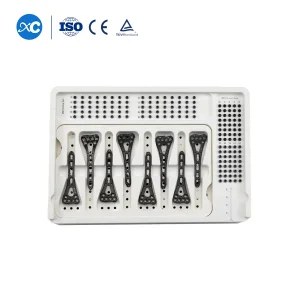
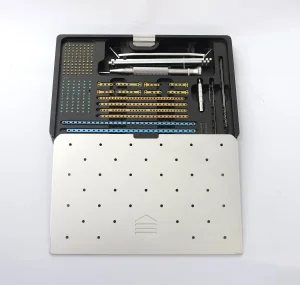
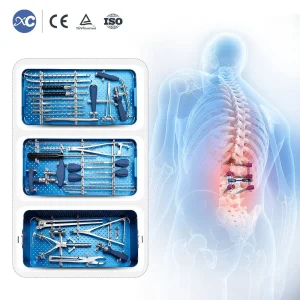
Analyzing demographic shifts, public-private partnerships, and hospital expansion projects creating an unprecedented demand for high-end surgical instrumentation.
In recent years, the Ministry of Health and Social Welfare (MINSABS) of Equatorial Guinea has undertaken a rigorous modernization program of the nation’s clinical infrastructure. Under structural blueprints like the National Economic and Social Development Plan, key public institutions such as the Hospital Regional de Malabo, the Hospital Regional de Bata, and specialized centers managed under INSESO (Instituto Nacional de Seguridad Social) have transitioned toward providing complex clinical interventions, notably in traumatology and spinal reconstruction.
Historically, healthcare facilities throughout the Gulf of Guinea relied on fragmented supply chains and non-standardized surgical sets. However, the surge in vehicular travel, industrial infrastructure build-ups, and offshore oil/gas operations has led to a statistical rise in high-energy trauma incidents. This reality requires medical professionals to possess immediate, localized access to high-performance Orthopedic Instrument Sets that can withstand aggressive reprocessing, autoclave cycles, and heavy operating room demands.
Unlike larger nations with localized manufacturing facilities, Equatorial Guinea depends extensively on reliable international manufacturers to secure its domestic medical supply. Procurement agencies and clinical distributors in Malabo face double challenges: long shipping delays and lack of technical customization. By bridging the gap between advanced manufacturing in China's Factory 4.0 and local regulatory structures, hospitals can now access orthopedic solutions configured precisely for local surgical routines.
Crucially, the demand goes beyond the implants themselves. To succeed, surgeons must be equipped with specialized instrumentation (screwdrivers, drills, taps, guide wires, reduction forceps, bending irons) that are geometrically matched to the locking plates and intramedullary devices they place. Precision deviations of even 0.05mm can compromise torque, causing screw heads to strip or locking mechanics to fail, resulting in revision surgeries that are financially and logistically prohibitive for Equatorial Guinean families.
Data and metrics showing our commitment to manufacturing and supplying orthopedic solutions worldwide.
A deep dive into advanced medical metallurgy, surface treatments, and instrument ergonomics for modern traumatology.
The clinical effectiveness of orthopedic instrument sets depends on the materials used. In orthopedic trauma applications, such as distal radius fractures, proximal humeral reconstruction, and pelvic fracture fixation, two materials are preferred: Surgical Grade Titanium Alloys (Ti-6Al-4V ELI) and High-Nitrogen Stainless Steel (such as 316LVM).
The raw titanium and stainless steel materials undergo extensive testing using Carbon and Sulphur Analyzers alongside Tensile Testing systems. This ensures the metals display the optimal yield strength and ductility necessary to withstand deformation during surgical use.
Implants and instrument systems undergo advanced anodization, producing a controlled, bio-inert oxide film. This film prevents ion release, limits bacterial adhesion, and color-codes instrument sizes to improve ergonomics during procedures.
Our instruments feature quick-coupling mechanisms, silicone handles designed for comfort, and laser-etched scale markings that stay visible after hundreds of sterilization cycles in standard hospital autoclaves.
Looking ahead, the technological roadmap for the Equatorial Guinea orthopedic sector points toward digital patient planning and implant-instrument integration. Through custom-made surgical kits, local clinics can lower inventory footprints while ensuring they have the exact plates and screws needed for specific procedures.
How Changsha WEX Medical combines precision machining, strict cleanroom assembly, and sterile validation to produce surgical-grade instruments.
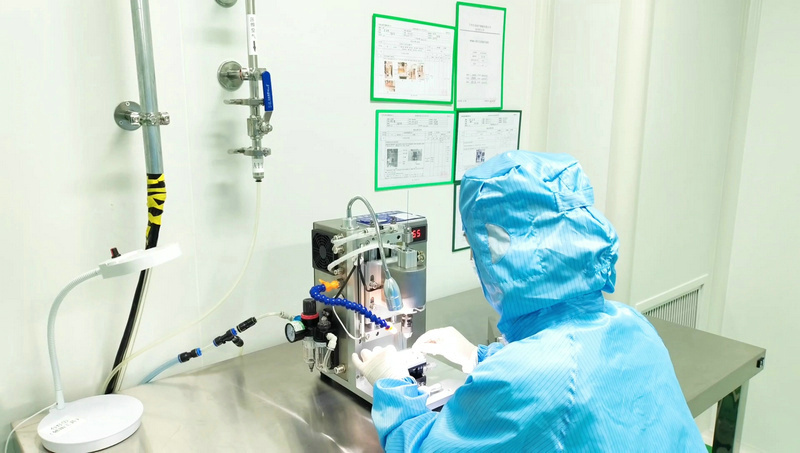
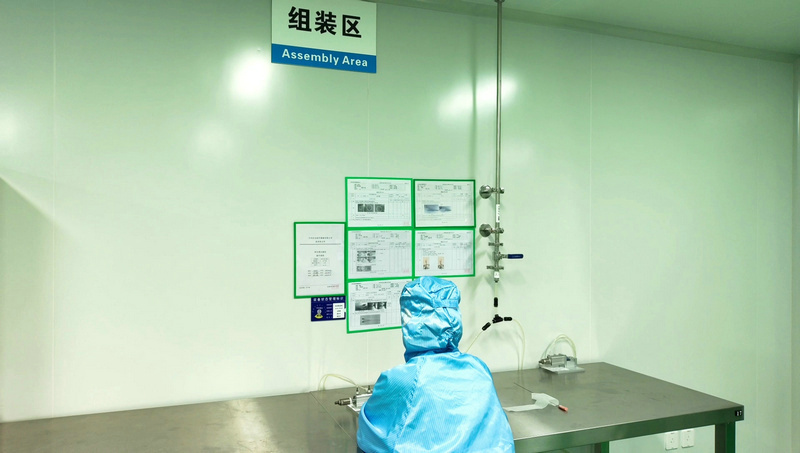
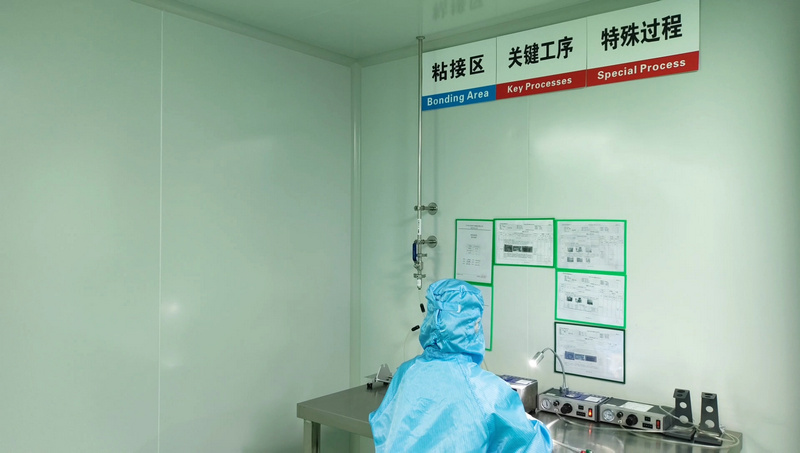
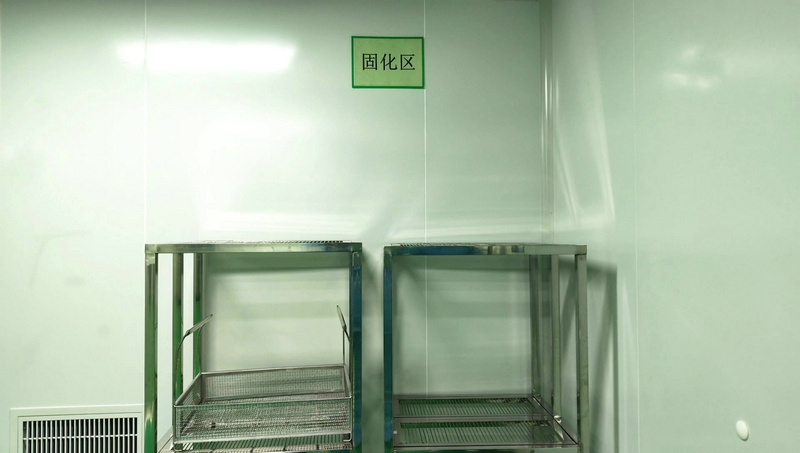
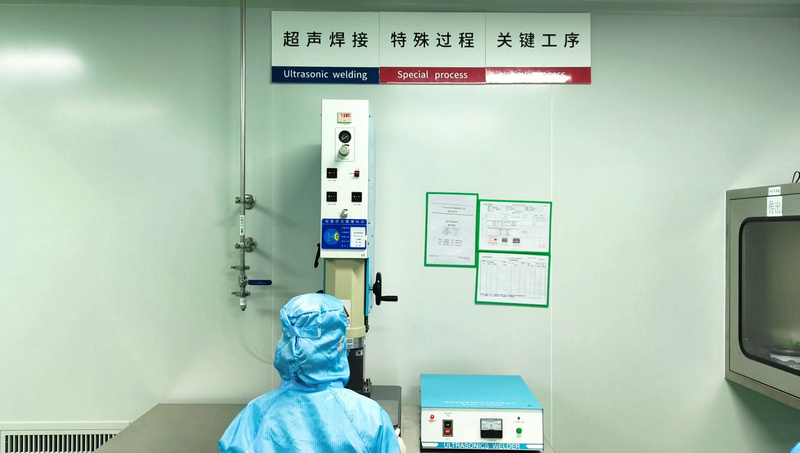
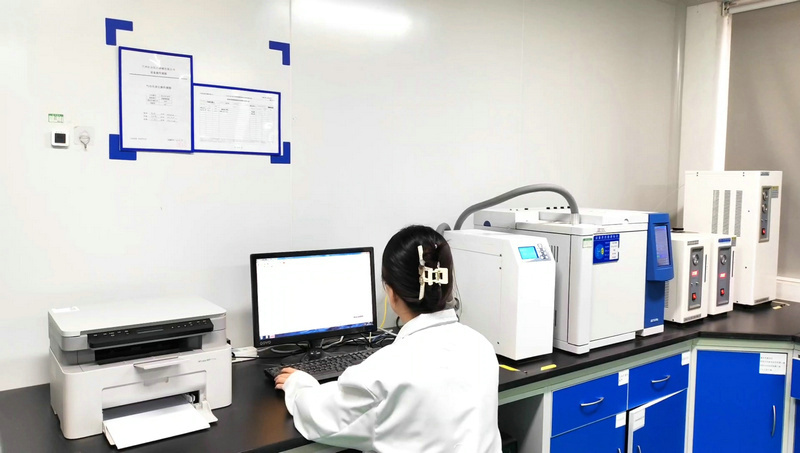
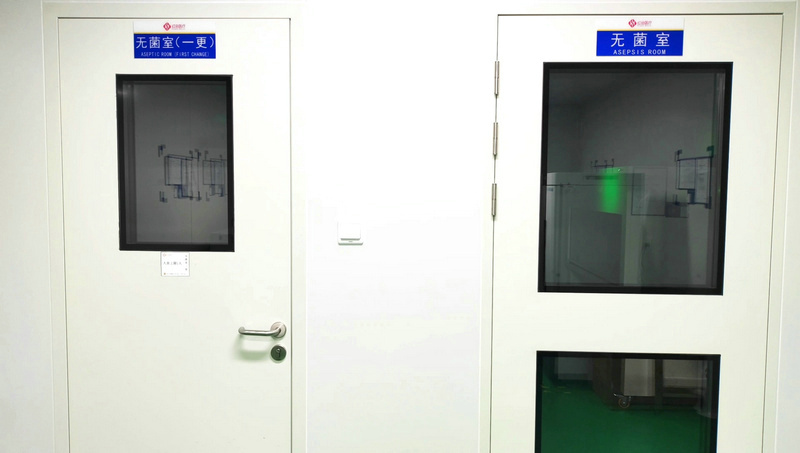
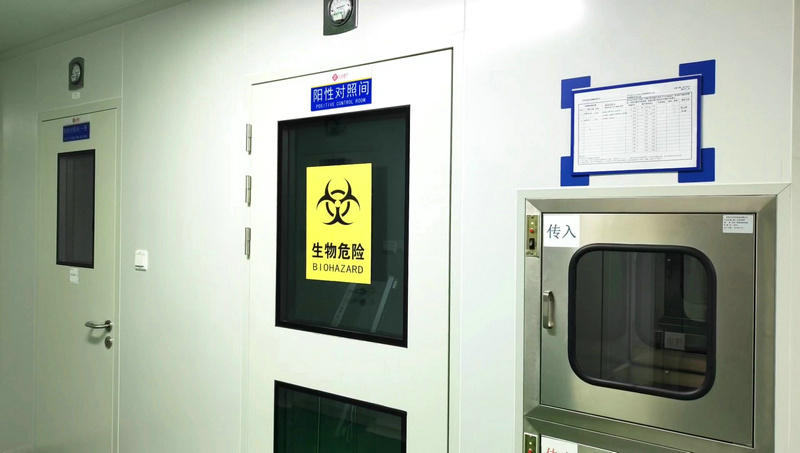
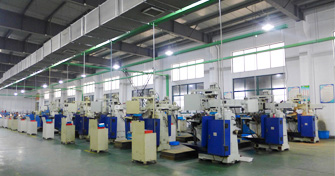
Advanced CNC sliding headstock machining bay
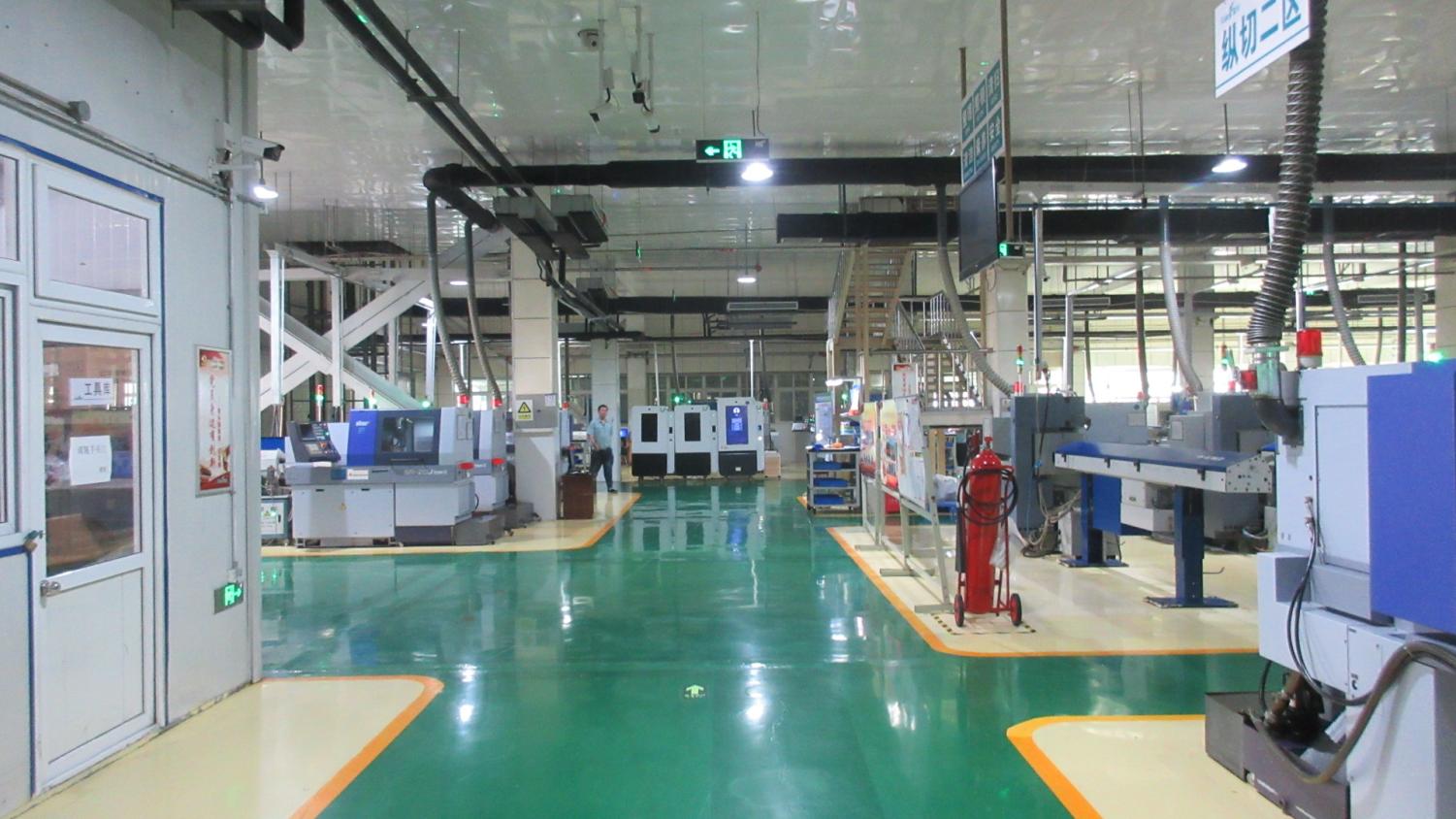
Class 10,000 cleanroom packaging conforming to GMP standards
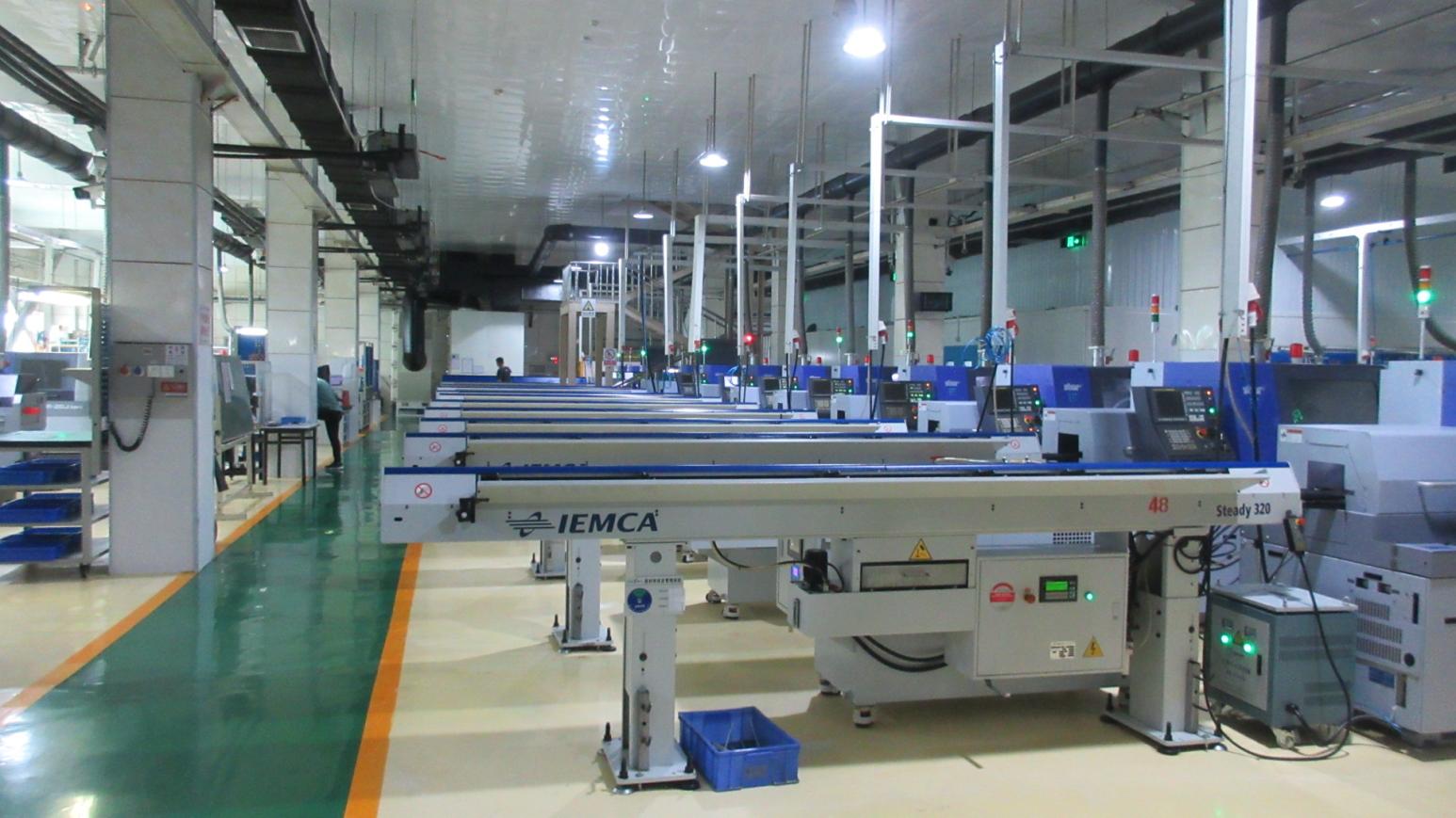
Biomechanical testing and torsion verification
Final optical inspection and laser profiling system
Why leading clinical distributors in Sub-Saharan Africa partner with medical manufacturers powered by advanced smart factories.
The global medical device market has evolved past basic mechanical manufacturing. Today, Changsha WEX Medical Instruments Co., Ltd. operates at the intersection of material science and digital production. Holding over 20 years of expertise, our production facility features advanced CNC machining centers, sliding headstock auto-lathes, CNC milling machines, and modern ultrasonic cleaning systems.
For procurement entities in Equatorial Guinea, importing directly from a vertically integrated manufacturer like WEX Medical delivers three main benefits:
Additionally, our sterile packaging process takes place in cleanrooms that meet international GMP standards. Using medical-grade Tyvek materials and secure plastic storage trays, we ensure instruments reach their destination in Equatorial Guinea ready for autoclave sterilization and immediate clinical use.
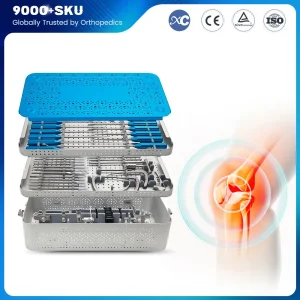
Explore our full line of surgical tools and implant assemblies, designed to provide high tactile feedback and structural stability in the operating room.
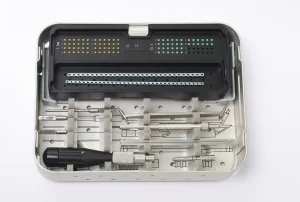
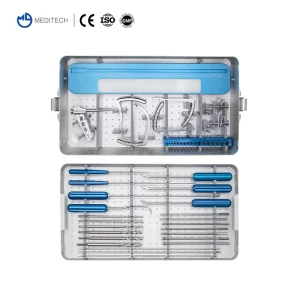
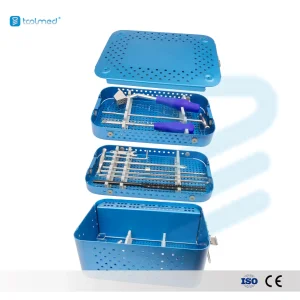
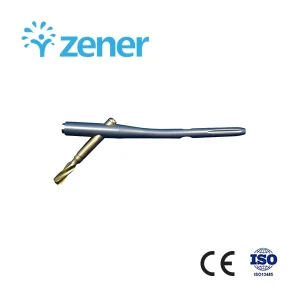
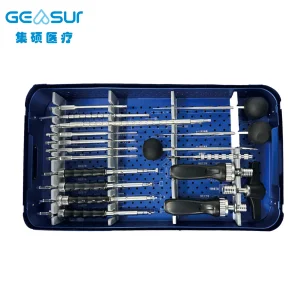
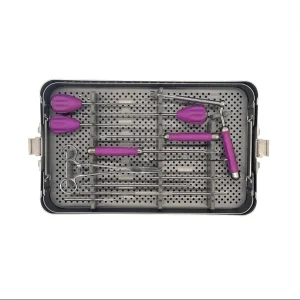
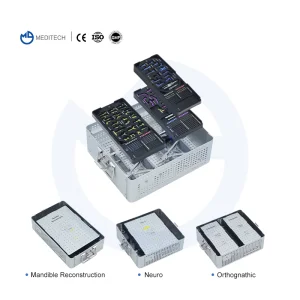
Navigating import processes, regulatory compliance, and distribution across Central and West Africa.
Securing surgical equipment for hospitals in Malabo and Bata requires careful coordination with regulatory frameworks. Imported orthopedic medical devices must comply with international benchmarks such as ISO 13485:2016 and display either CE (Conformité Européenne) certification or approval from the country of origin's national authority.
Shipments destined for Malabo (Port of Malabo, Aeropuerto Internacional de Malabo) or Bata require clean documentation, including the Certificate of Analysis (CoA), material conformance sheets, sterilization certificates (for pre-packaged sterile sets), and commercial invoices detailing matching international HS codes. Partnering with a manufacturer like WEX Medical simplifies this process by providing pre-arranged customs documentation.
WEX Medical's Quality Management System (previously certified under ISO 9001:2008 and ISO 13485:2003) has evolved to meet modern compliance standards. Our validation systems use Gas Chromatography to monitor cleaning chemical residues, optical coordinate measuring machines for dimensional accuracy, and fluorescent crack detectors to ensure implants are free of structural micro-voids.
Answering key technical and commercial questions from hospital administrators and clinical procurement teams in Equatorial Guinea.
All our implants are made from certified medical-grade titanium alloy (Ti-6Al-4V ELI) and implantable-grade stainless steel. They undergo chemical testing and surface passivation to meet international biocompatibility standards, preventing tissue rejection and corrosion in vivo.
Yes. We provide complete OEM/ODM customization. We can adjust set configurations, laser-engrave hospital-specific tracking codes or brand names, and tailor the dimensions of sterilization boxes to match the autoclave sizes of your facility.
Every shipment includes ISO 13485 and ISO 9001 certificates, CE conformity declarations, material test reports (certifying metallurgical analysis), and cleanroom sterile packaging compliance documents where applicable.
Standard manufacturing ranges from 15 to 30 days depending on the volume. Shipments to Equatorial Guinea are dispatched via air cargo (delivering to Malabo International Airport in 7-10 days) or ocean freight via the Port of Bata and Port of Malabo for bulk stock orders.
Our instrument trays and raw tools are designed to endure standard autoclave runs, including high-temperature steam sterilization (134°C / 273°F). The anodized finishes and laser markings resist degradation during typical processing.
Improve your hospital's surgical outcomes and secure your inventory with quality, certified orthopedic instrument sets. Contact our regional sales consultants today for customized configurations and pricing.
 WEX Medical