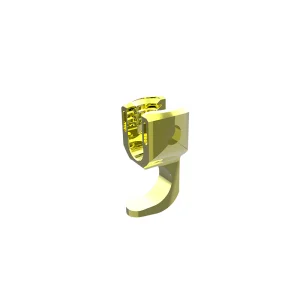
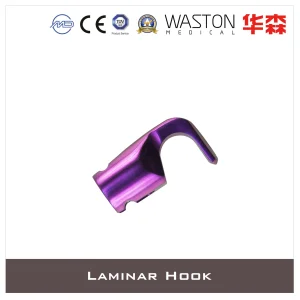
Advanced spine fixation solutions optimized for pediatric care, deformity correction, and posterior stabilization protocols in Lomé and across Togo.
As the healthcare ecosystem across West Africa undergoes structural modernization, Togo is emerging as a critical clinical hub. Central hospitals in Lomé, such as the Centre Hospitalier Universitaire Sylvanus Olympio (CHU SO) and various specialized private clinics, are continuously upgrading their neurosurgical and orthopedic capabilities. The clinical demand for high-quality spinal stabilization hardware, specifically spinal hooks, pedicle screws, laminar hooks, and rods, has risen sharply due to the increasing volume of trauma-induced surgeries and corrective procedures for congenital spine deformities.
Historically, public and private medical institutions in Togo have faced severe procurement bottlenecks, characterized by prolonged shipping delays, non-compliant gray-market components, and inflated intermediary costs. Direct factory sourcing from ISO 13485-certified manufacturers is no longer just a cost-saving preference—it is a vital operational strategy. By establishing robust supply lines directly to the Port of Lomé, hospitals and regional distributors can ensure access to class-III titanium alloy (Ti-6Al-4V ELI) implants that conform strictly to international CE standards.
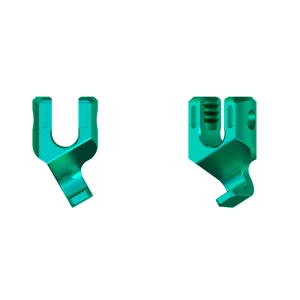
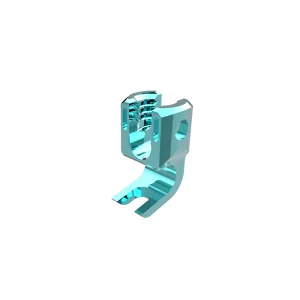
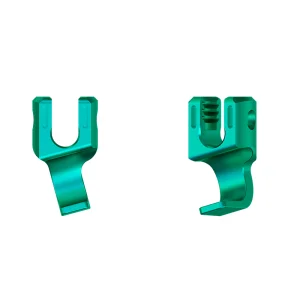
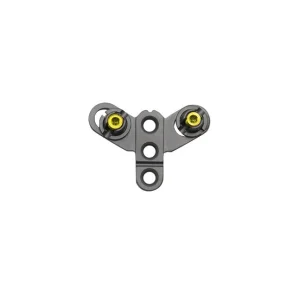
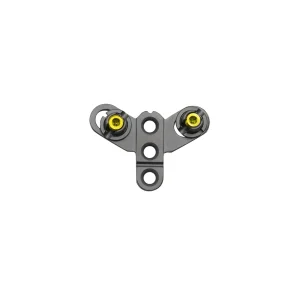
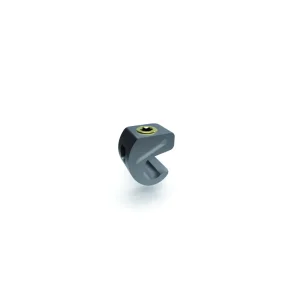
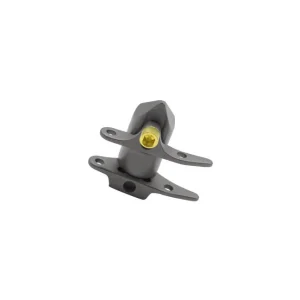
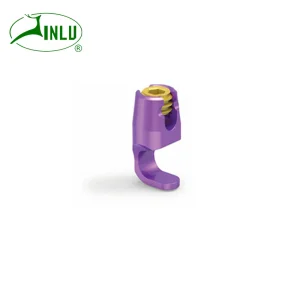
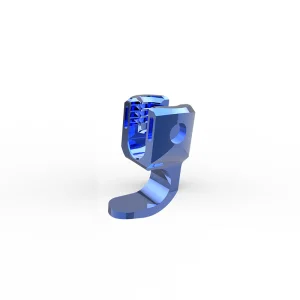
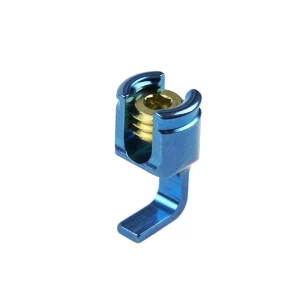
In West African demographics, severe thoracolumbar deformities resulting from late-presenting idiopathic scoliosis, post-tubercular kyphosis (Pott’s disease), and high-velocity road accidents present extreme challenges. Pediatric orthopedic interventions demand implants that provide rigid segment fixation while minimizing the metal footprint on developing bone. Our specialized pediatric laminar hooks and offset lamina hooks are designed specifically to distribute load forces safely across the vertebral arch, preventing cortical bone breakout.
The global spine surgery market is transitioning from simple rod-and-screw stabilization to advanced hybrid constructs. While pedicle screws remain the standard for rigid fixation, laminar and spinal hooks are invaluable in cases of poor bone mineral density, osteoporotic vertebrae, or narrow pediatric pedicles where screw insertion carries high neurologic risks.
Modern surgeons utilize hybrid systems—integrating screws for distal stability and hooks for proximal fixation. This design minimizes the risk of proximal junctional kyphosis (PJK) and reduces stress concentration at the termination of the construct. Consequently, medical procurement departments in Togo are expanding their tenders to include comprehensive spinal instrumentation kits that feature a wide array of lamina hooks, offset hooks, crosslinks, and varying rod diameters (typically 5.5mm to 6.0mm systems).
Changsha WEX Medical Instruments Co., Ltd. has experiences of more than two decades in areas of innovation and production of orthopaedic implants, such as bone plates, bone screws, interlocking nails, spine implants/internal fixation systems, and all kinds of instruments, which are branded by "WEX". All the implant products have certification of CE and ISO9001/ISO13485, so can reach different requirements of customers.
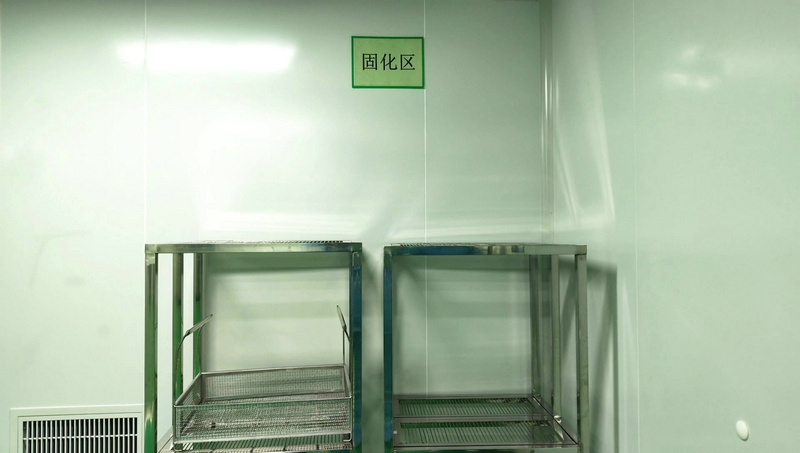
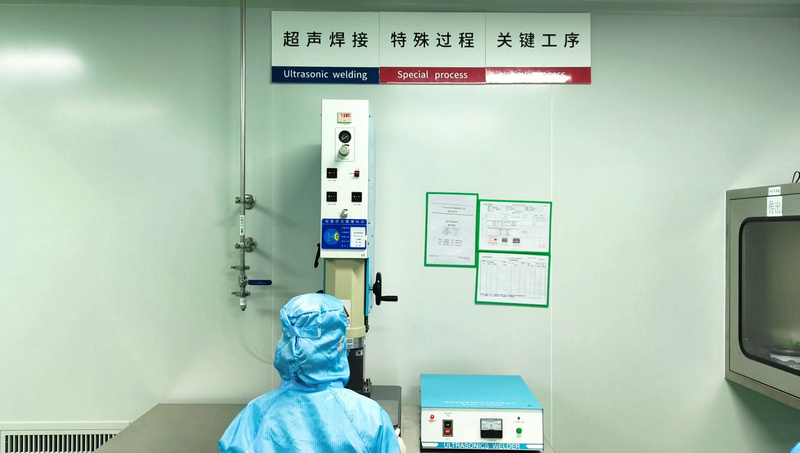
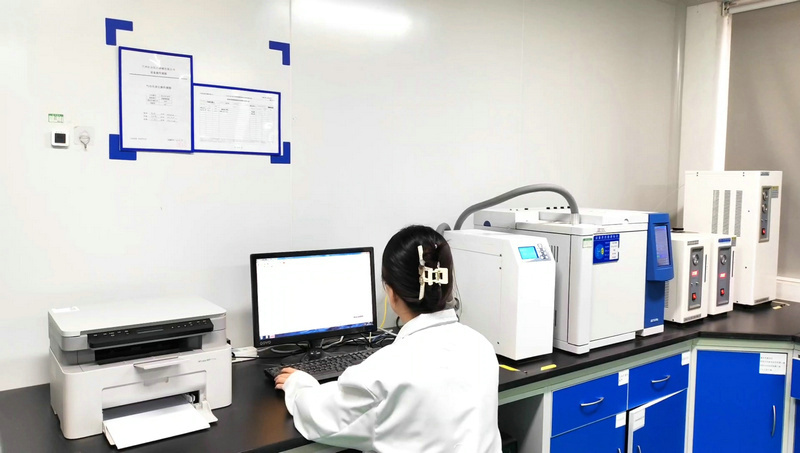
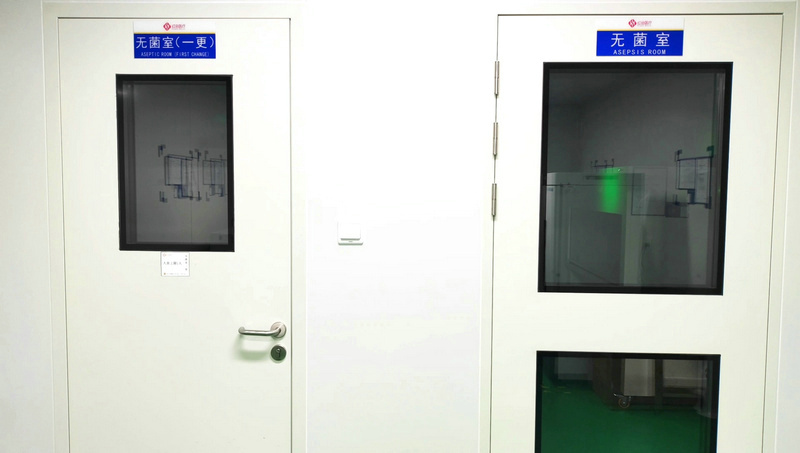
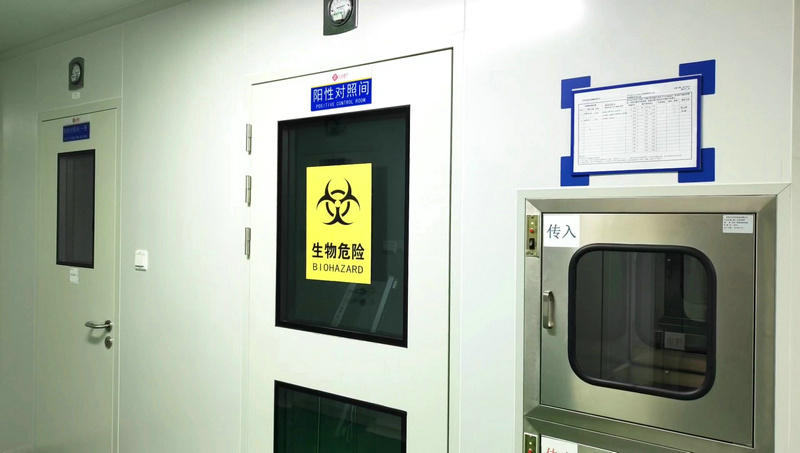
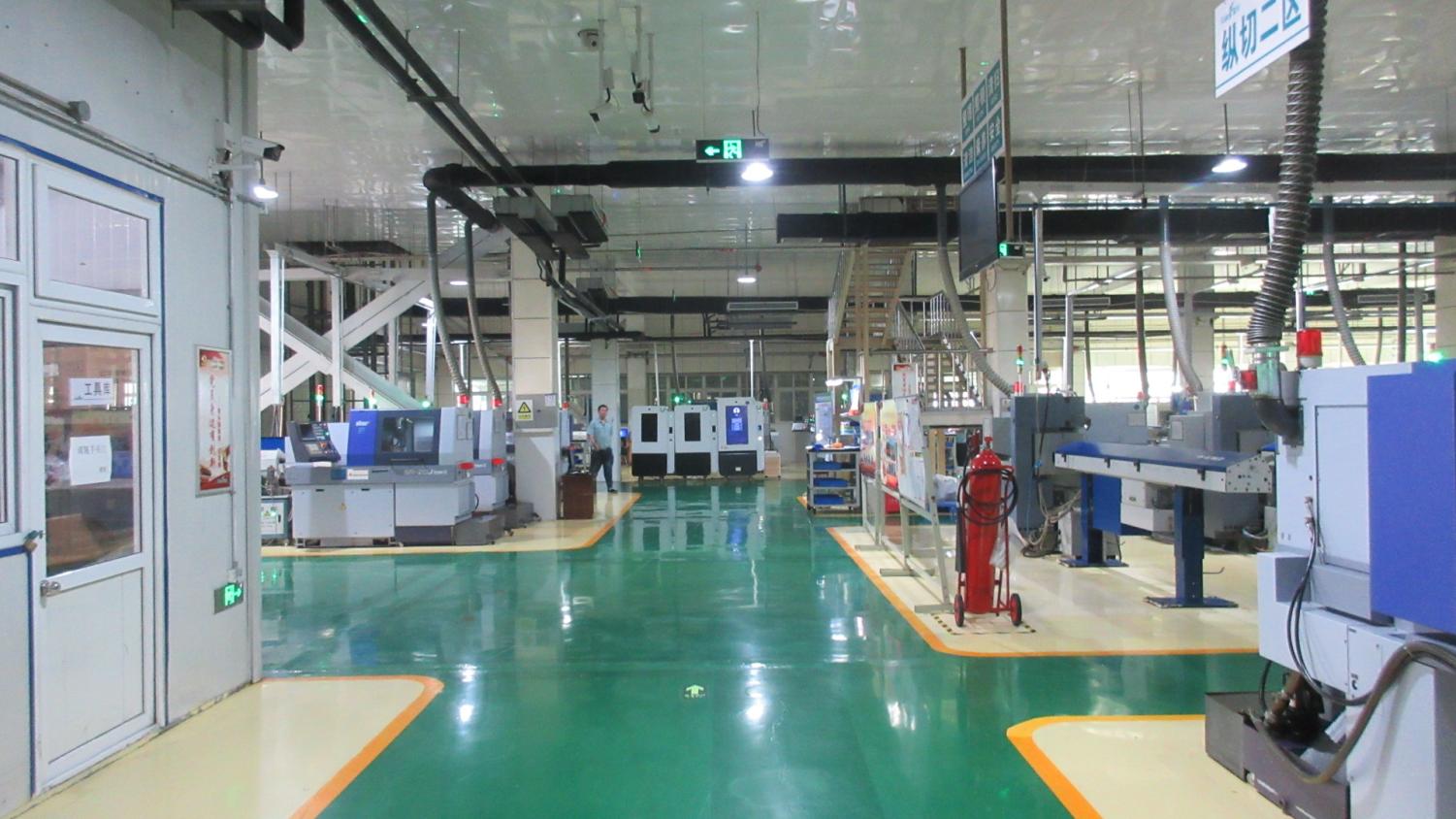
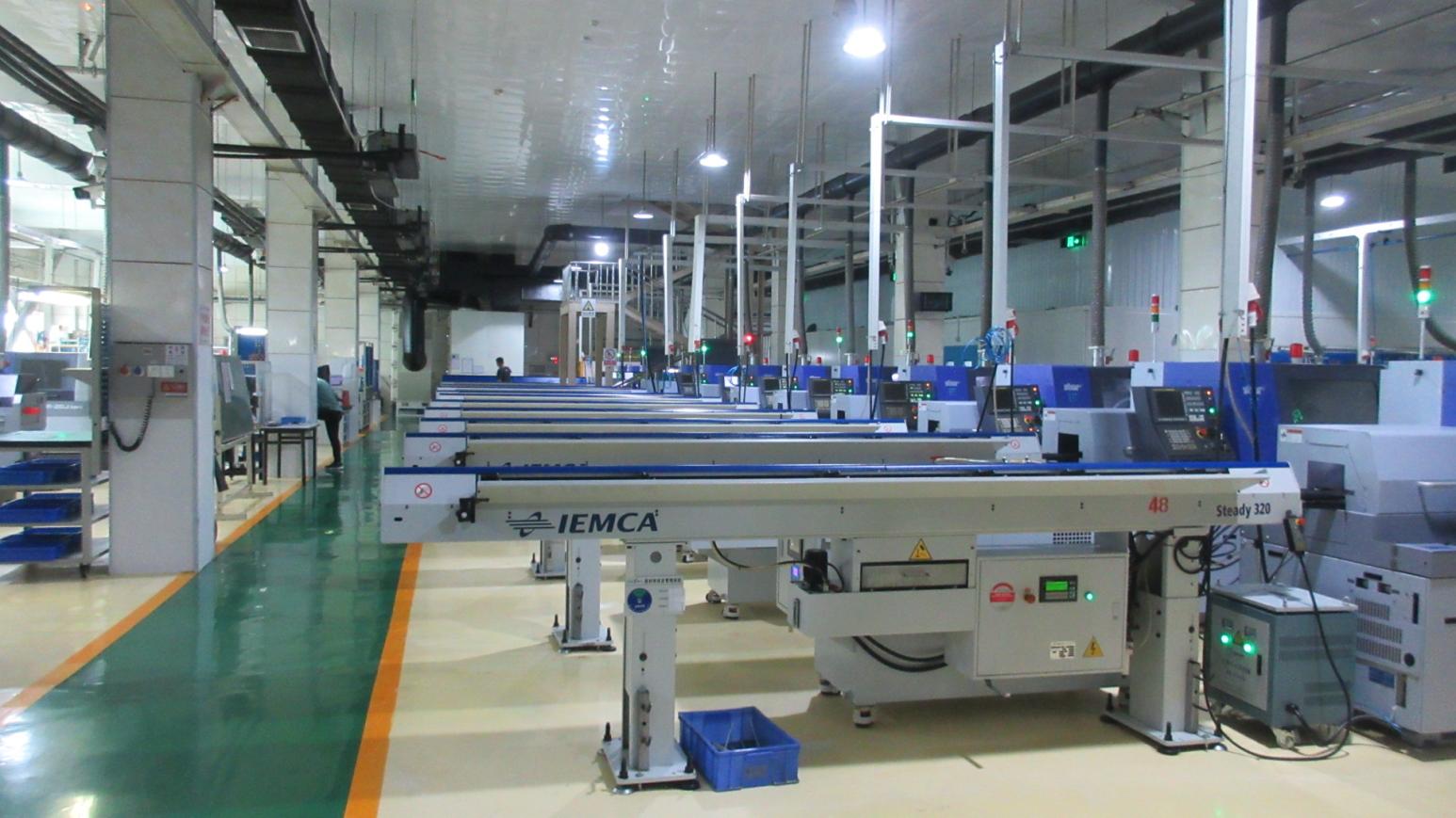
With a Quality Management System passed ISO 9001:2008 and ISO 13485:2003, we have bright and spacious factory workshops; more than hundred production equipments, such as advanced CNC machining centre machines, CNC sliding headstock auto-lathes, CNC milling machines, CNC lathing machines, upmarket ultrasonic cleaning equipments and etc; more than ten advanced and well-appointed testing equipment, such as Projectors, Tensile-testing machines, Durometers, Carbon and sulphur analyzers, Pitting LP detecting instruments and Fluorescent fault detectors and so on. The packaging process is conducted in clean workshop line with GMP standard.
At the beginning of company's establishment, we aim to design and produce implantable products professionally for our customers. Relying on the operational systems of development, design, production and marketing, which is formed by the orthopaedic experts in domestic large and medium-sized hospitals, also we completed the clinical insurance for our products. We satisfy our customer's requirements with best quality and best service, based on our advanced production and processing technology. Because we insist on the idea of "Be professional for manufacturing high-quality products, be wholehearted for serving customers."
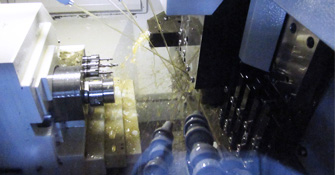
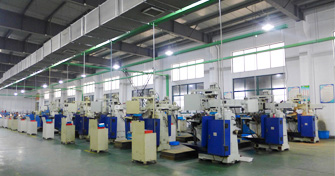
Step-by-step documentation of our advanced manufacturing workflow, guaranteeing 100% sterile compliance and structural resilience for spinal surgical applications.
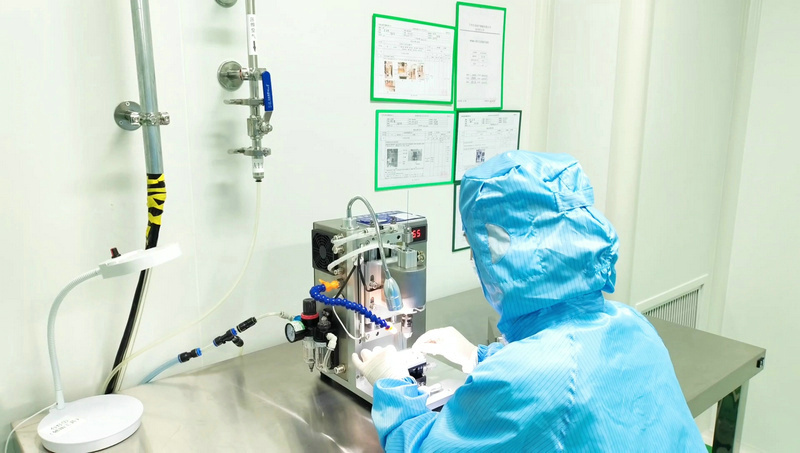
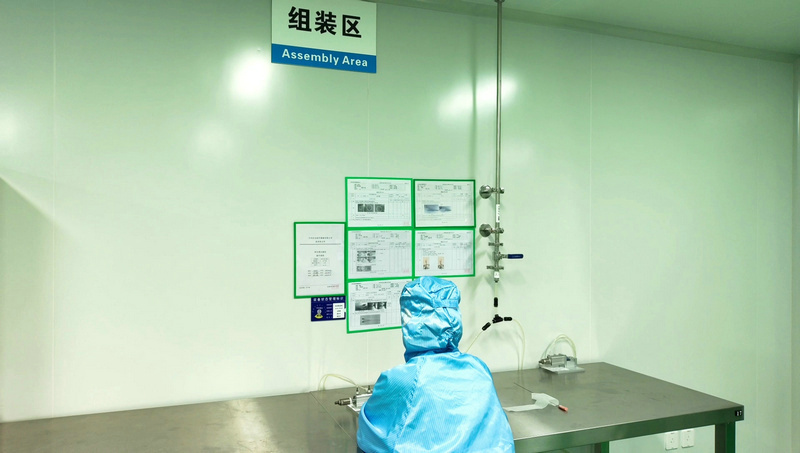
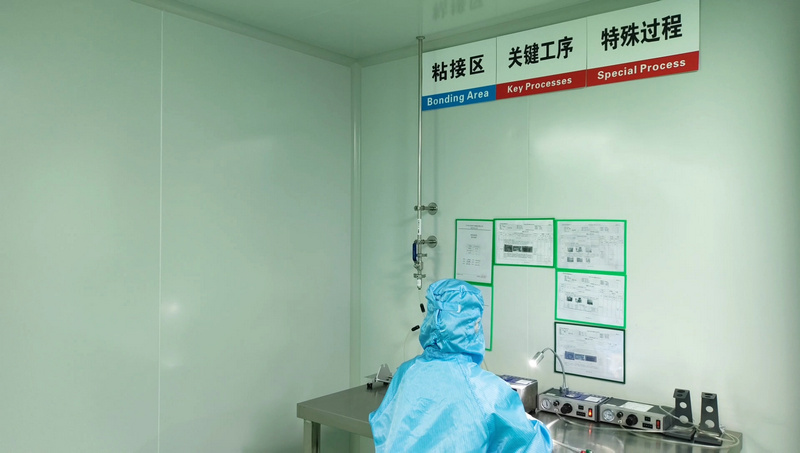
Expert insights covering product certifications, metal alloys, customs clearances at the Port of Lomé, and OEM design customizations.
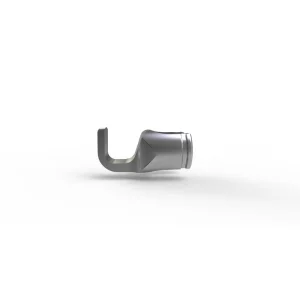
Explore our full catalog of laminar hooks, crosslink systems, and anatomical anchors manufactured for modern spinal reconstruction procedures.
Optimize your hospital's implant supply chain today. Get a customized, itemized quote, technical data packets, and order free surgical instrument demo cases to Togo.
Send Inquiry Now WEX Medical