Barcelona, the vibrant capital of Catalonia, has emerged as a cornerstone of the European medical technology sector. As a primary manufacturer and exporter hub for Spinal Hooks & Rods, the region leverages a unique blend of historical industrial prowess and cutting-edge digital health innovation. The Catalonian Life Sciences cluster, known as Biocat, integrates over 1,000 companies, including specialized orthopedic manufacturers that serve not only the Spanish market but the entire Mediterranean and Latin American corridors.
The local industrial status is characterized by high-precision machining centers that utilize advanced titanium alloys and PEEK (Polyether ether ketone) materials. For manufacturers and exporters in Barcelona, the focus has shifted toward "Smart Implants"—devices that integrate with digital planning software to ensure perfect anatomical alignment. This evolution is driven by the city's status as a host for major medical congresses like the EuroSpine, fostering a constant exchange of knowledge between surgeons and engineers.
Utilizing artificial intelligence to simulate spinal loads, allowing for the customization of hooks and rods that mimic the natural biomechanics of the patient's vertebral column.
3D-printed titanium implants are becoming standard in Barcelona's hospitals, offering superior osseointegration compared to traditional forged implants.
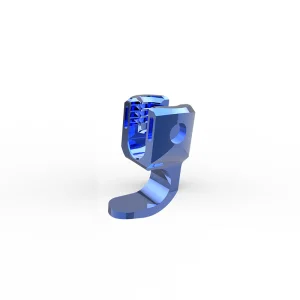
Design innovations in low-profile spinal hooks allow for smaller incisions, reduced blood loss, and faster recovery times for patients in the Mediterranean region.
In Barcelona, the application of spinal hooks and rods has seen a significant increase in pediatric scoliosis correction. Local institutions like Hospital de Sant Joan de Déu are pioneers in using dynamic fixation systems that allow the spine to grow while maintaining correction. This localized application requires manufacturers to produce hooks with high pediatric bone density fixation capabilities, ensuring safety and long-term vertebral support.
Furthermore, the trend toward outpatient spinal surgery in Spain has placed a premium on the durability and "one-time" reliability of internal fixation systems. Manufacturers are now exporting systems that are pre-sterilized and packaged in GMP-compliant cleanrooms, reflecting the stringent European Union regulations.
Changsha WEX Medical Instruments Co., Ltd. has experiences of more than two decades in areas of innovation and production of orthopaedic implants, such as bone plates, bone screws, interlocking nails, spine implants/internal fixation systems, and all kinds of instruments, which are branded by "WEX". All the implant products have certification of CE and ISO9001/ISO13485, so can reach different requirements of customers.
With a Quality Management System passed ISO 9001:2008 and ISO 13485:2003, we have bright and spacious factory workshops; more than hundred production equipments, such as advanced CNC machining centre machines, CNC sliding headstock auto-lathes, CNC milling machines, CNC lathing machines, upmarket ultrasonic cleaning equipments and etc; more than ten advanced and well-appointed testing equipment.
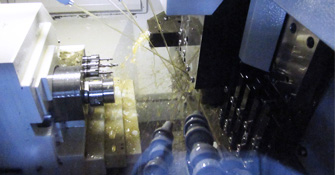
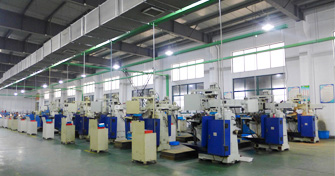
Relying on the operational systems of development, design, production and marketing, which is formed by the orthopaedic experts in domestic large and medium-sized hospitals, also we completed the clinical insurance for our products. We satisfy our customer's requirements with best quality and best service, based on our advanced production and processing technology. Because we insist on the idea of "Be professional for manufacturing high-quality products, be wholehearted for serving customers."
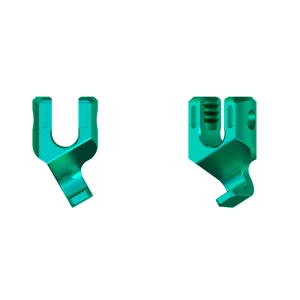
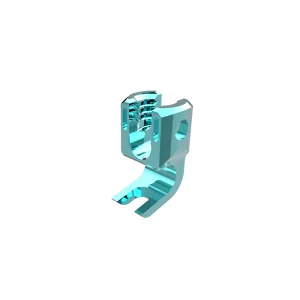
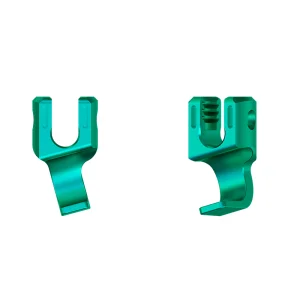
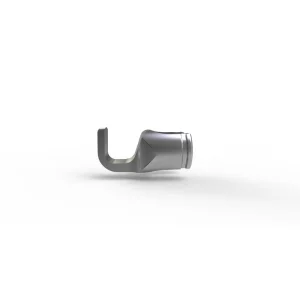
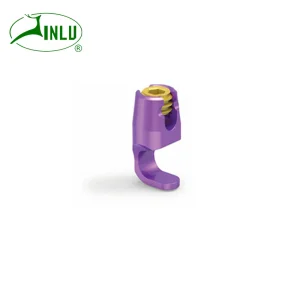
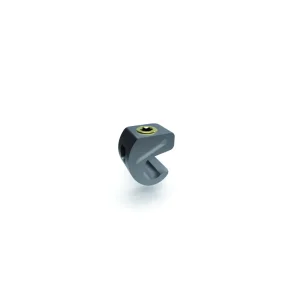
The engineering behind spinal hooks and rods is a testament to the evolution of biomechanics. In Barcelona’s medical universities, research emphasizes the importance of the Laminar Hook and its role in posterior cervical fixation. Unlike pedicle screws, hooks provide a non-invasive attachment to the lamina, which is crucial in cases where the vertebral pedicle is too small or compromised by osteoporosis.
The 4.75mm and 5.5mm rod systems exported from our facilities are designed to withstand the cyclic loading of the human gait. In the context of Barcelona's sports medicine clinics—where treating high-impact spinal injuries from cycling or football is common—the "Ultra-Resilient" series is preferred for its high fatigue strength. Titanium alloy (Ti-6Al-4V ELI) remains the gold standard for these components due to its exceptional biocompatibility and MRI compatibility, allowing surgeons in Spain to monitor patient progress without metal artifacts obscuring the images.
Exporting these technologies to Europe requires a deep understanding of the MDR (Medical Device Regulation). Our systems undergo rigorous testing including projectors for dimensional accuracy, tensile-testing machines for structural integrity, and fluorescent fault detectors to ensure zero surface defects. This meticulous attention to detail is what allows our spinal hooks to be trusted in complex lumbosacral fusion surgeries across the Mediterranean.
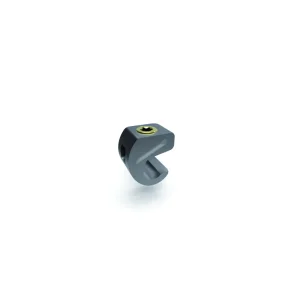
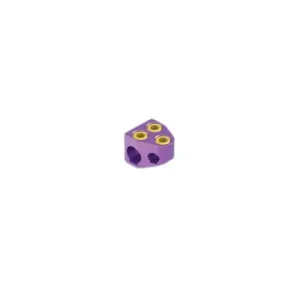
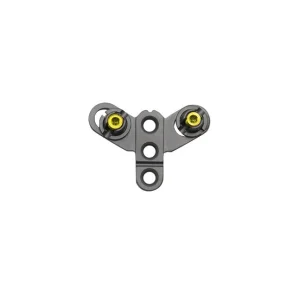
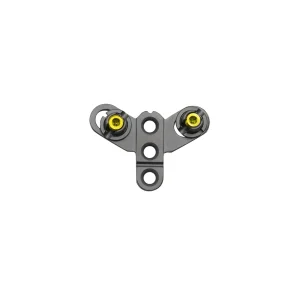
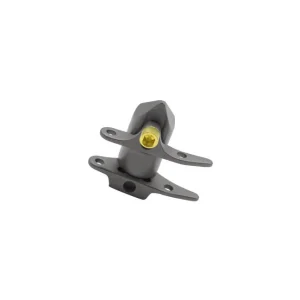
Furthermore, the integration of Crosslink Hooks provides rotational stability to the rod construct. In Barcelona's surgical theaters, this added stability is vital for correcting complex three-dimensional spinal deformities. By bridging two parallel rods, the crosslink converts the assembly into a rigid frame, significantly reducing the risk of rod breakage or hardware migration—a common concern in long-segment spinal reconstructions.
As we look toward the future of spinal surgery in Barcelona and beyond, the role of reliable manufacturers cannot be overstated. From the Titanium Alloy Anatomical Hook Guide Pins to the Precision Offset Lamina Hooks used in lumbosacral fusion, every component must meet the highest biocompatibility standards. Our export operations from the manufacturing base to Barcelona ensure that Spanish surgeons have access to tools that are as resilient as they are precise.
The synergy between Changsha WEX Medical's manufacturing expertise and Barcelona's clinical excellence creates a powerful ecosystem for patient care. By focusing on advanced CNC machining and GMP-standard packaging, we ensure that every hook and rod that leaves our facility is ready to be a permanent solution for someone's spinal health. Whether it is for treating degenerative disc disease, trauma, or congenital deformities, our spinal internal fixation systems are engineered to empower surgeons and restore lives.
 WEX Medical