🔪
Incision and Exposure
Make a 1-3 cm incision near the fracture site, avoiding nerves and blood vessels. Separate soft tissues layer by layer to fully expose the fracture end.
🔄
Fracture Reduction
Use manual traction and rotation to restore anatomical position. Monitor continuously under C-arm fluoroscopy for accuracy.
📍
Guide Wire Insertion
Insert the guide wire under fluoroscopic guidance along the designed path until it reaches the appropriate position, perpendicular to the fracture plane.
📏
Determination of Screw Length
Use a dedicated measuring device over the guide wire. Select a screw 2-4 mm shorter than measured to ensure the head is fully countersunk.
⚙️
Drilling
Choose a cannulated drill bit of appropriate diameter. Use irrigation for cooling to minimize thermal injury while checking depth via image intensifier.
🔩
Screw Insertion & Fixation
Mount the screw head onto the compression sleeve. Turn the sleeve to close and compress the fracture until the screw head is flush with the bone.
🩹
Wound Closure and Dressing
Irrigate with normal saline, suture in layers, and apply appropriate dressing with a splint or plaster to assist healing.
What is Cannulated Headless Compression Screw?
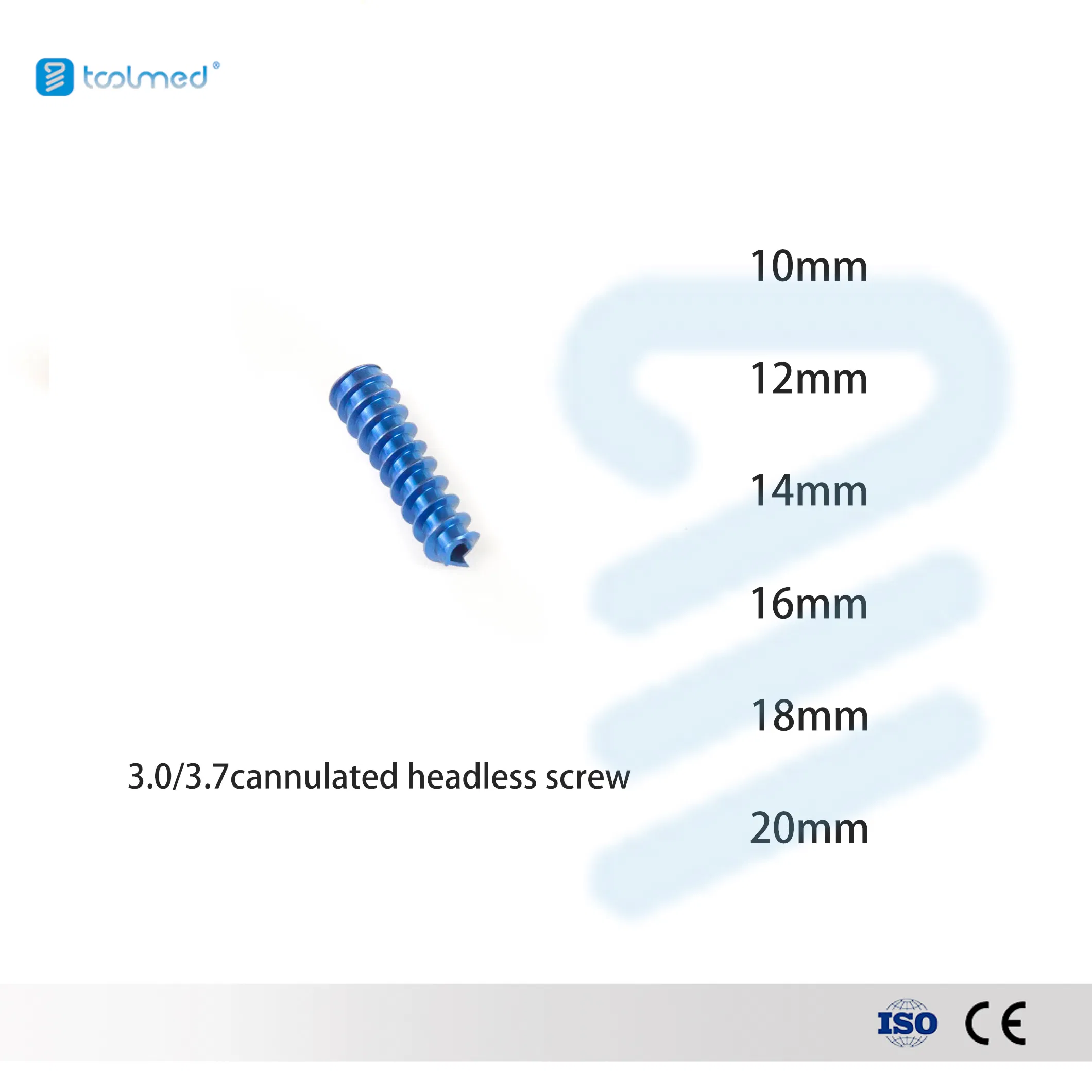
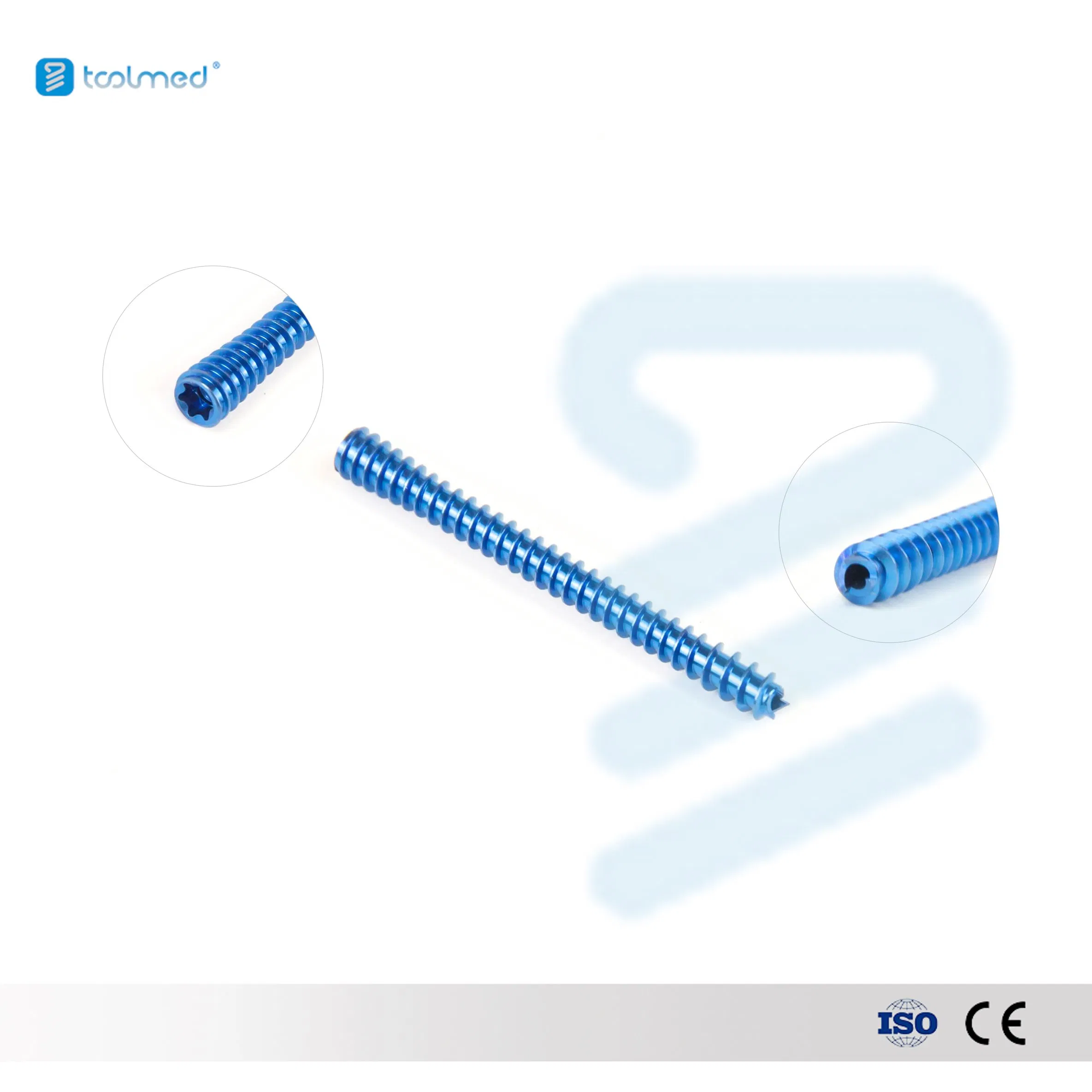
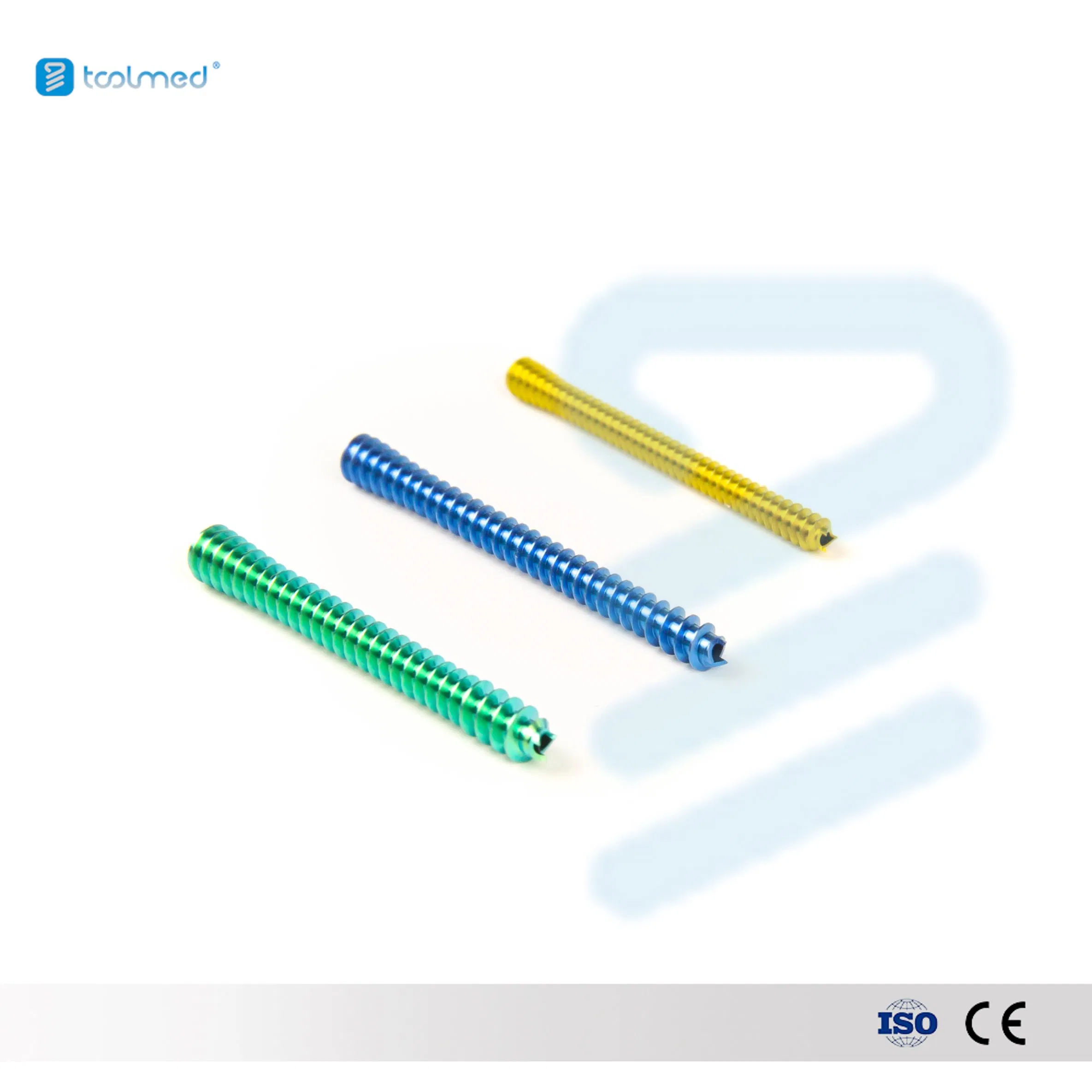
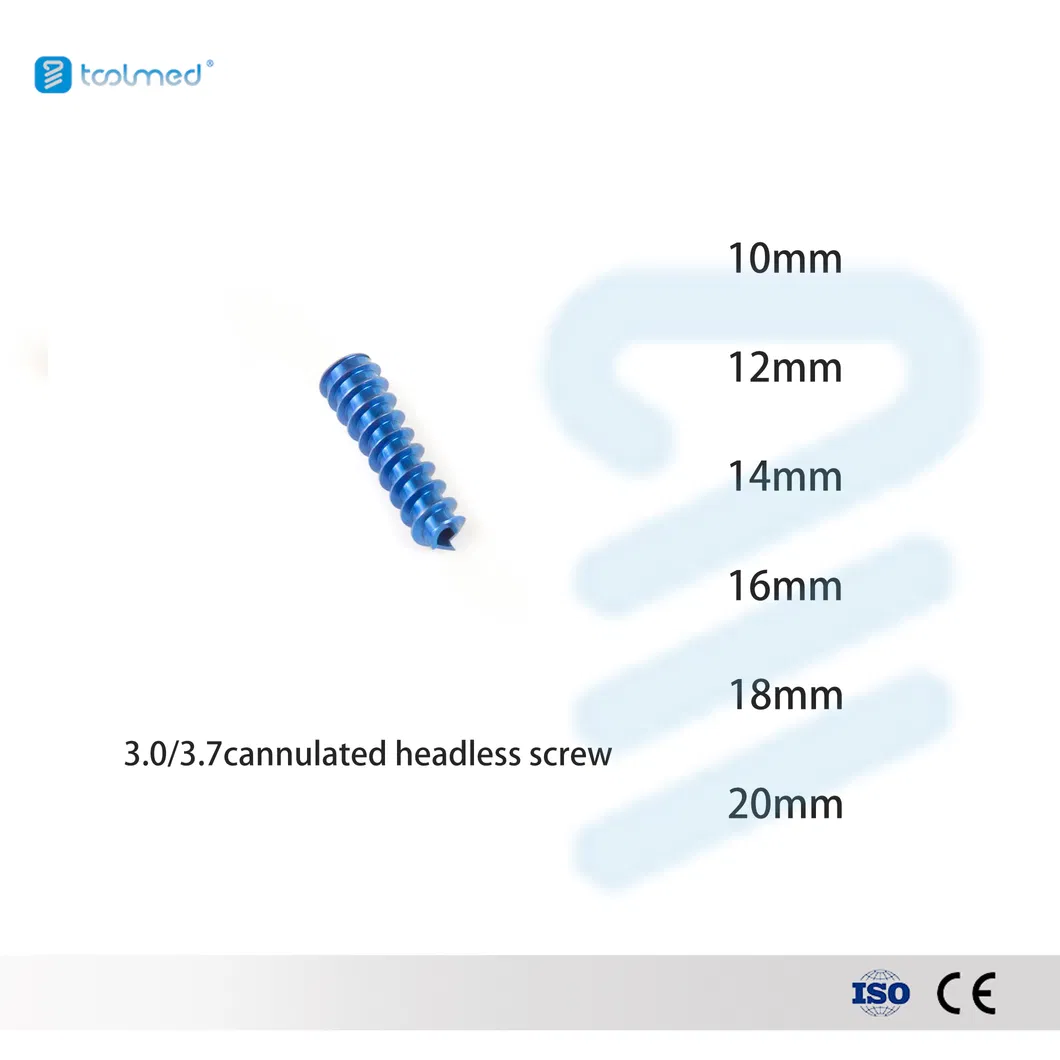
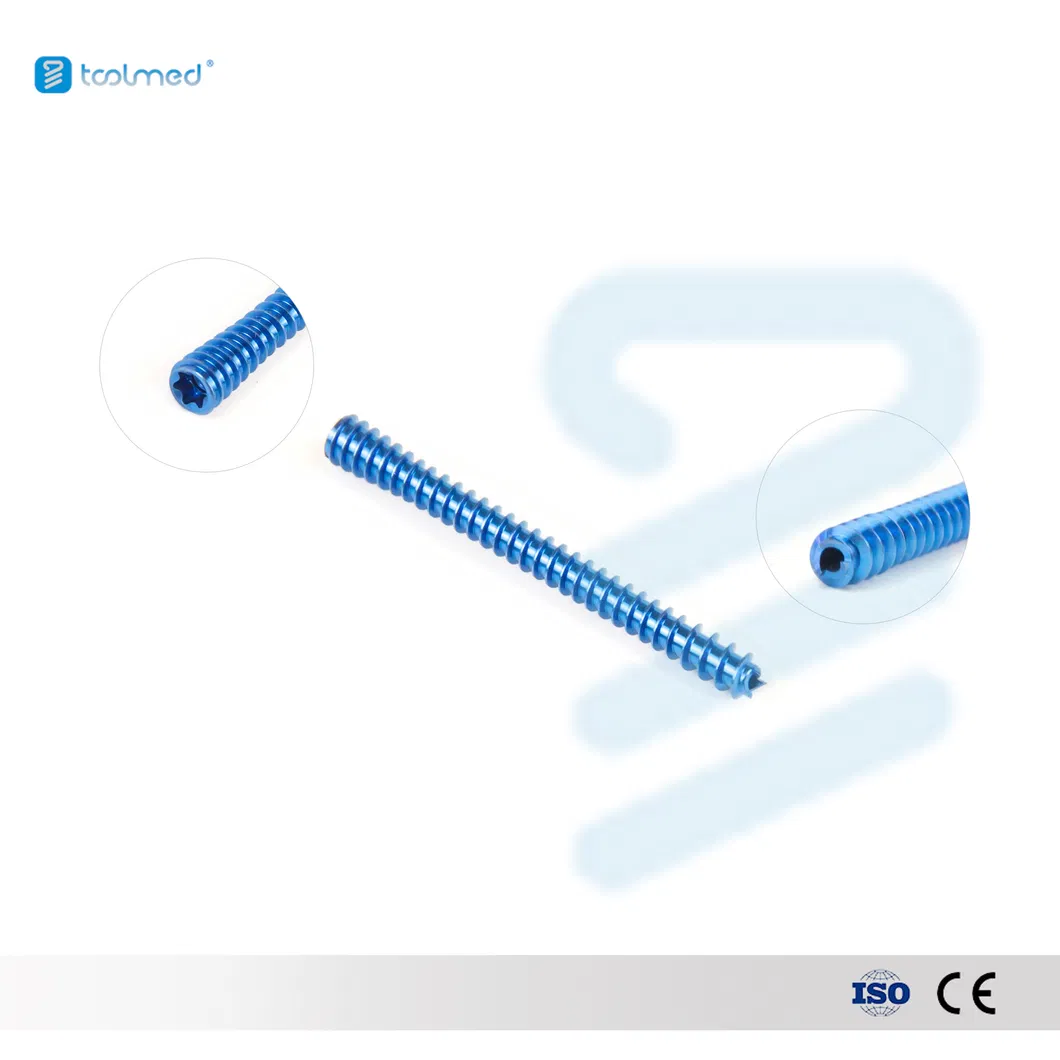
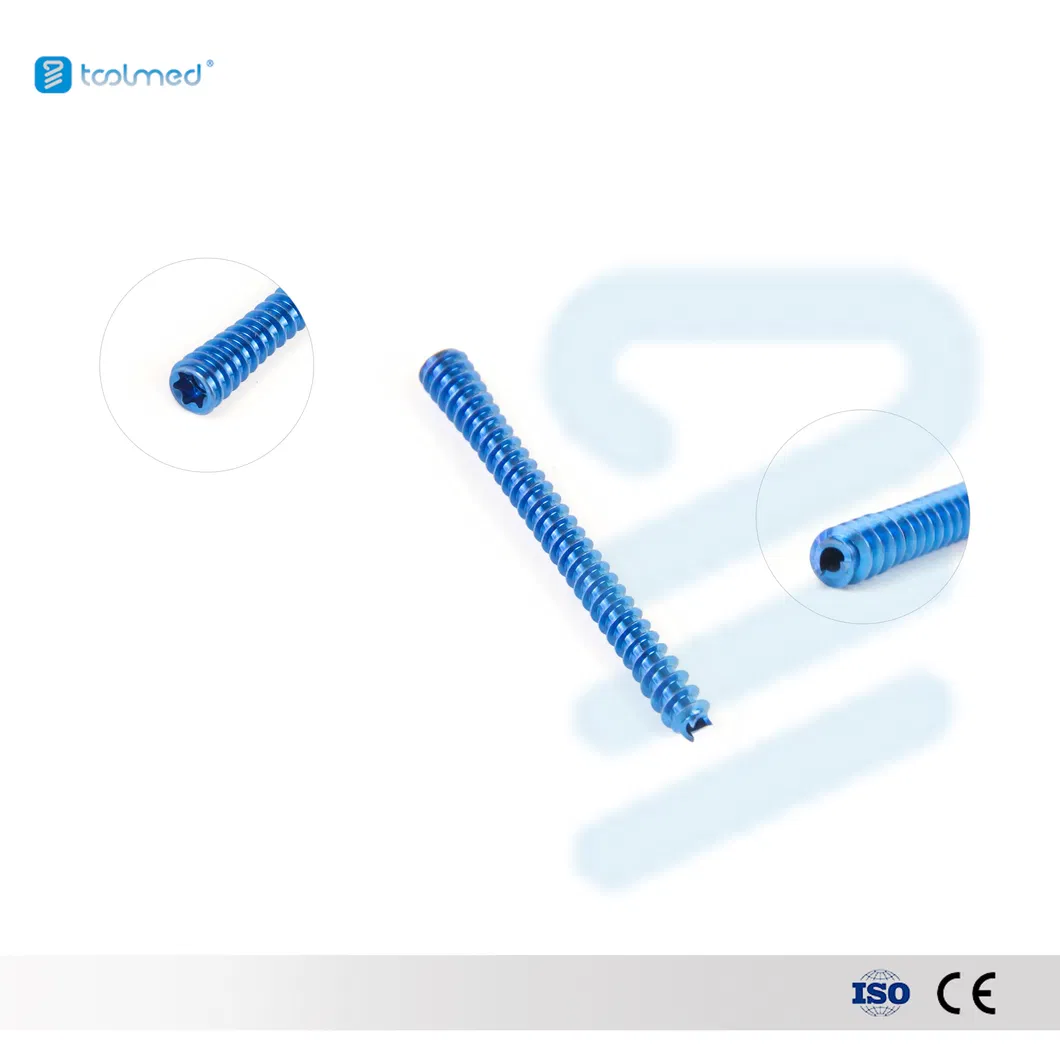
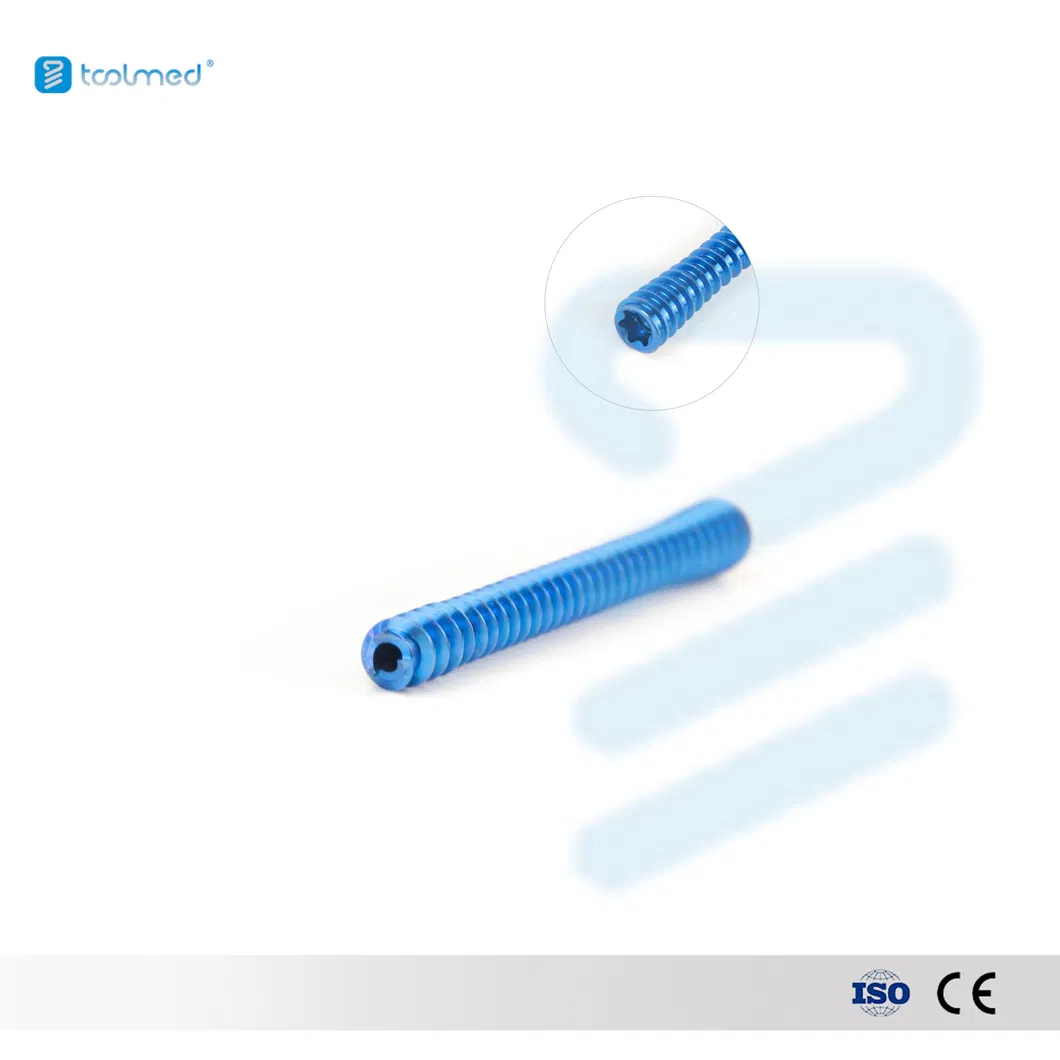
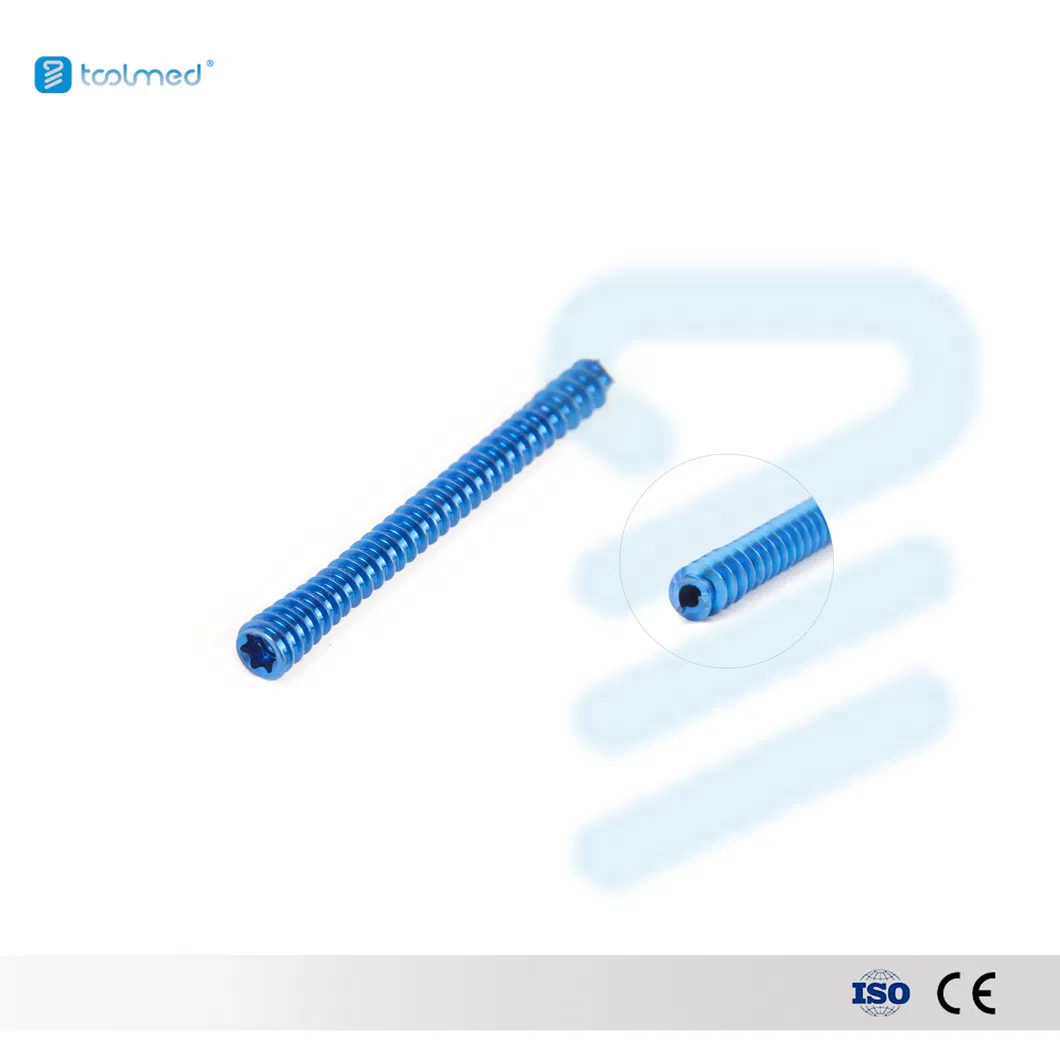
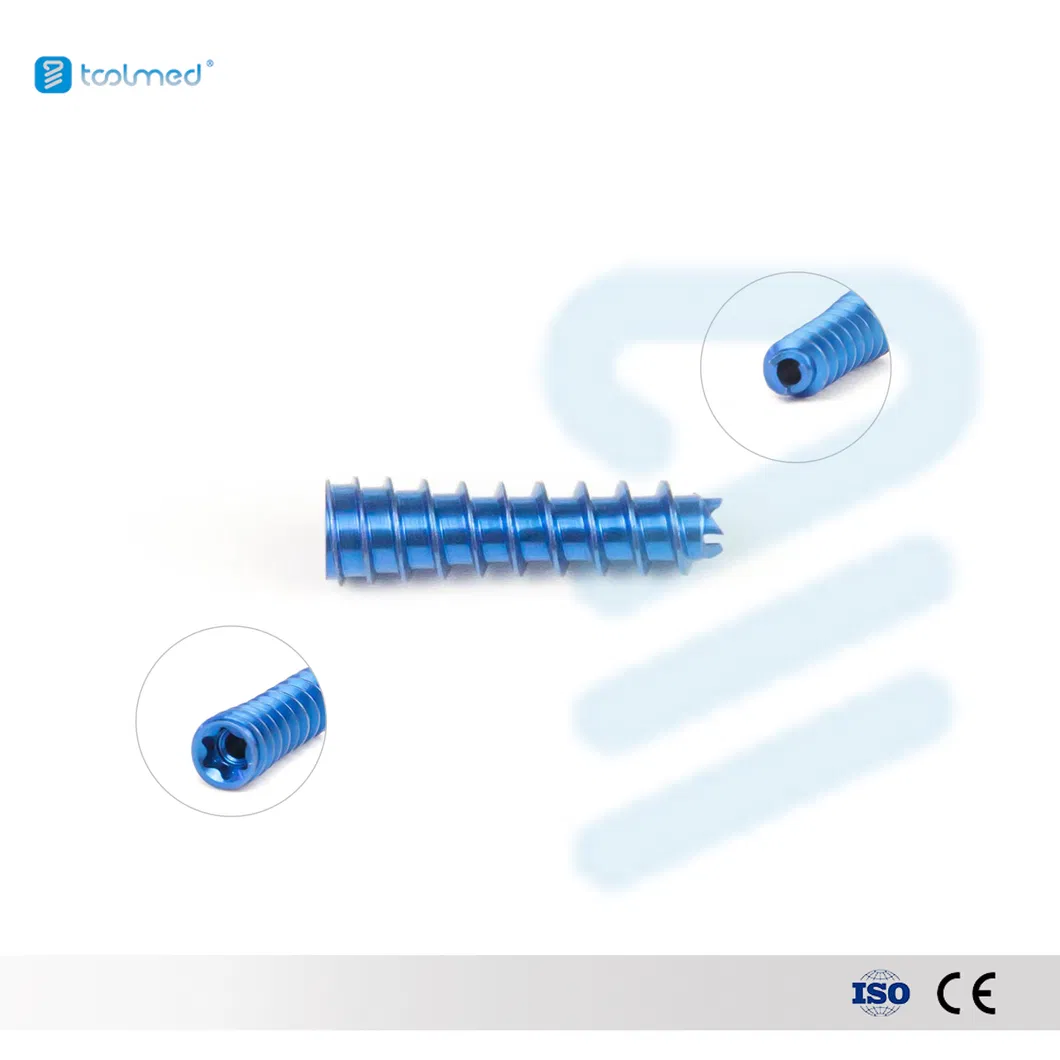
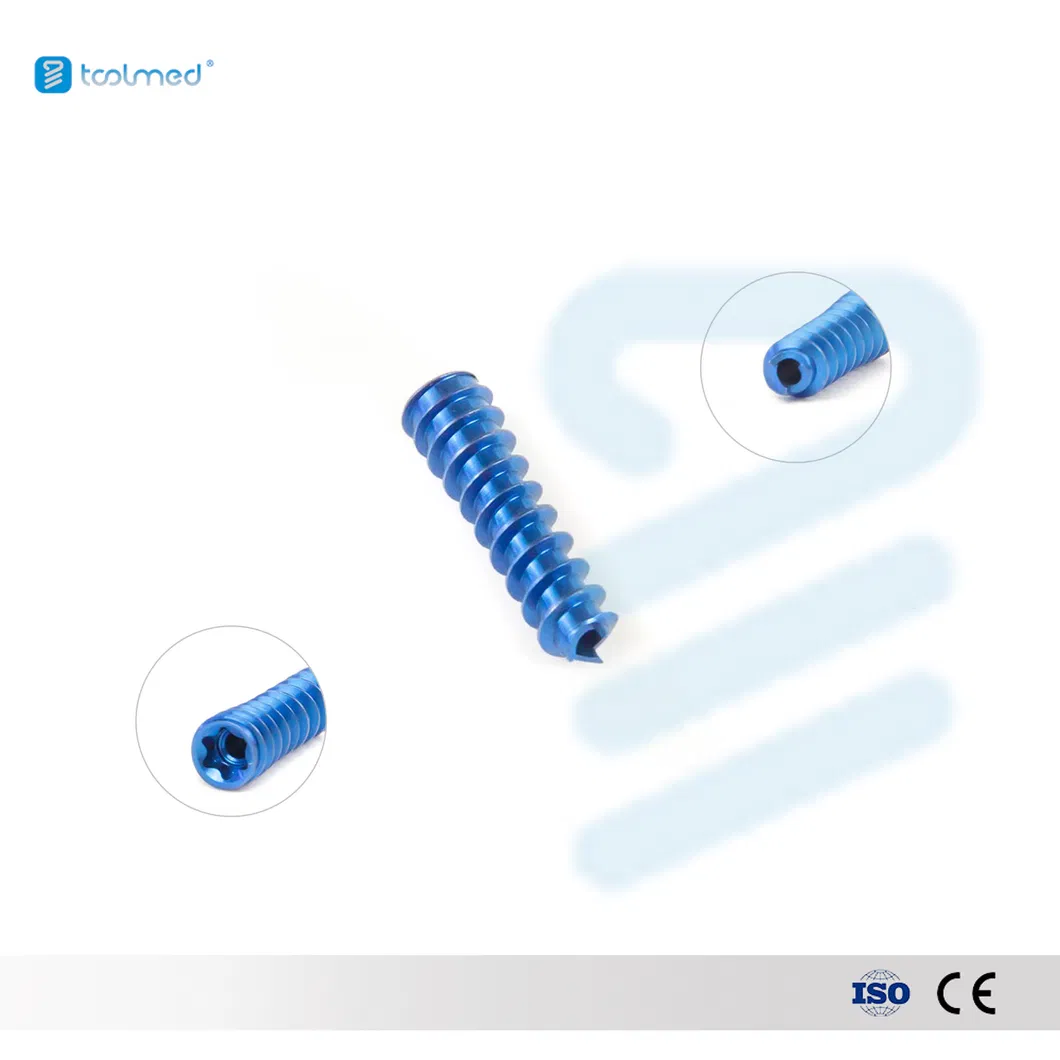
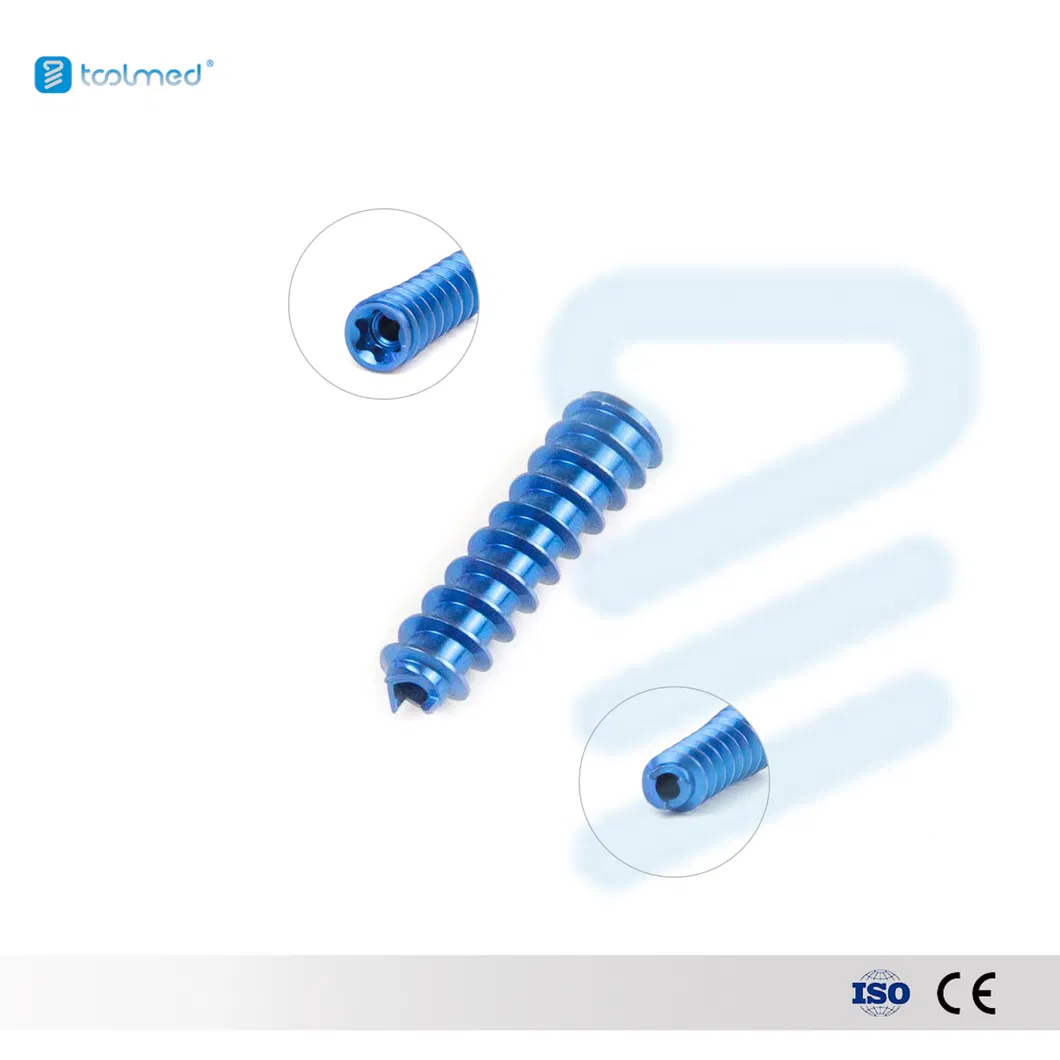
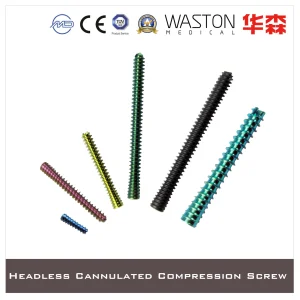
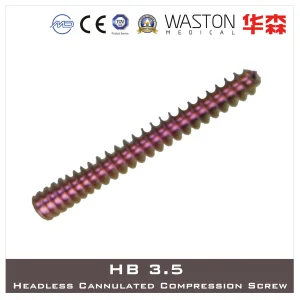
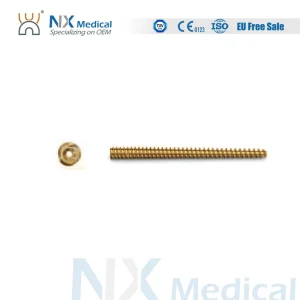
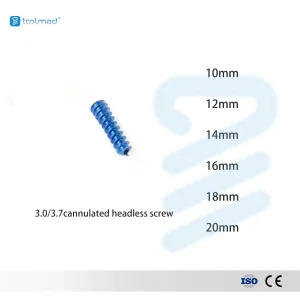
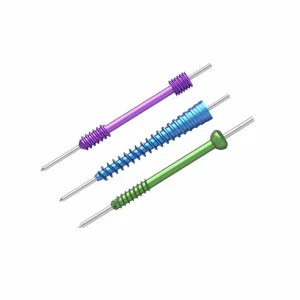
The Headless Compression Screw is a cannulated screw used for scaphoid and other small bone fracture fixation. The design allows the screw to generate compression across the fracture site prior to being countersunk below the articular surface, reducing soft tissue irritation.
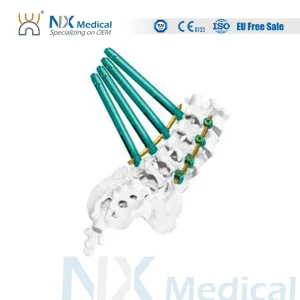
Cannulated Headless Compression Screws (CHCS) represent a significant advancement in orthopedic surgery. These screws are designed to provide stable fixation for long bone fractures (femur, tibia, humerus) as well as spiral fractures, nonunions, and malunions.
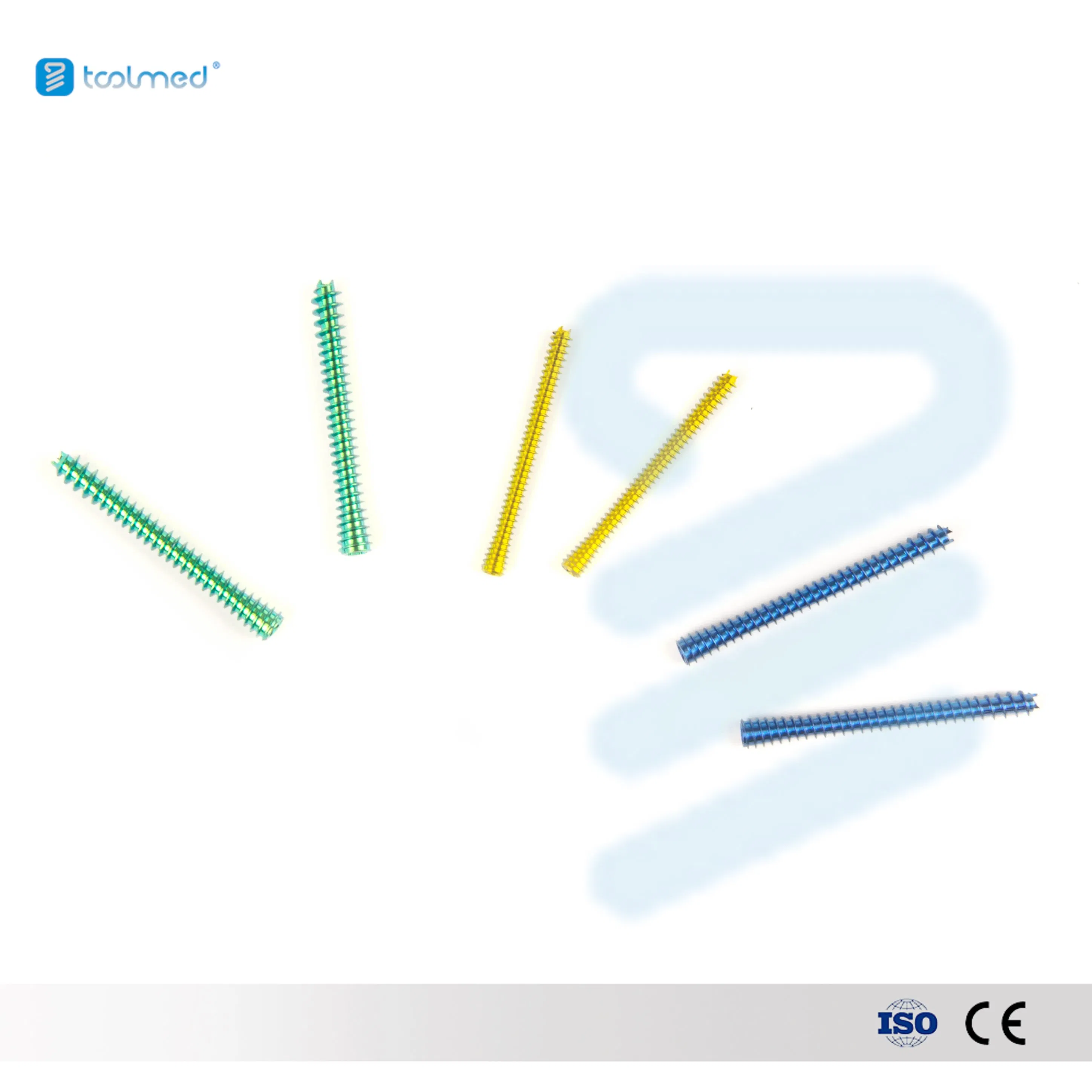
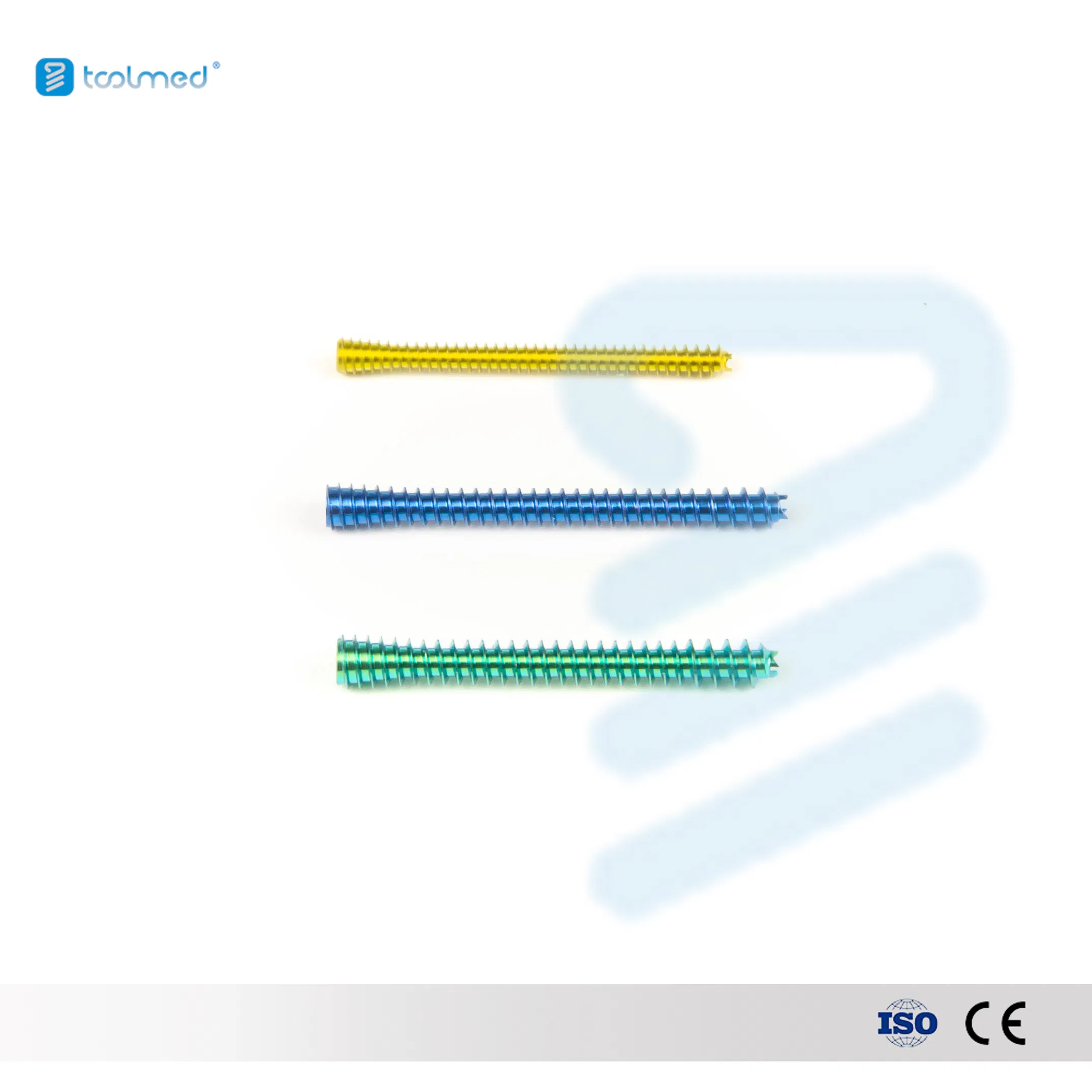
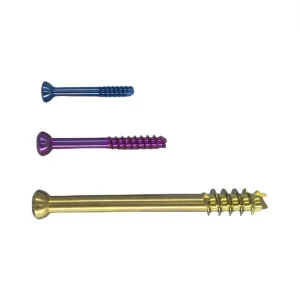
Types available:
- Fully threaded screws
- Partly threaded screws
- Self-drilling screws
- Self-tapping screws
✅
Reduced Soft Tissue Damage: Headless design prevents protrusion and irritation.
✅
Increased Stability: Superior compression reduces the risk of hardware failure.
✅
Minimally Invasive: Leads to faster healing and recovery times.
✅
Reduced Infection Risk: Hollow center allows for better irrigation.
Frequently Asked Questions
What materials are these cannulated screws made of?
These screws are typically manufactured from high-grade Titanium Alloy or Stainless Steel to ensure biocompatibility and strength.
How long is the typical recovery time after CHCS surgery?
Recovery varies by fracture severity, but rehabilitation usually begins within a few weeks, with full improvement seen over several months.
Can these headless compression screws be removed?
Yes, removal is possible if they cause pain or complications, though they are designed for permanent internal fixation.
What are the main indications for using CHCS?
They are primarily used for fractures of long bones (femur, tibia), spiral fractures, and instances of nonunion or malunion where high stability is required.
Do you provide OEM services for orthopedic implants?
Yes, specialized manufacturing and OEM services are a core strength, supporting various customized requirements for orthopedic instruments and implants.
Are samples available for quality verification?
Samples can be provided for evaluation. The cost of samples is generally deductible from future official bulk orders.
 WEX Medical