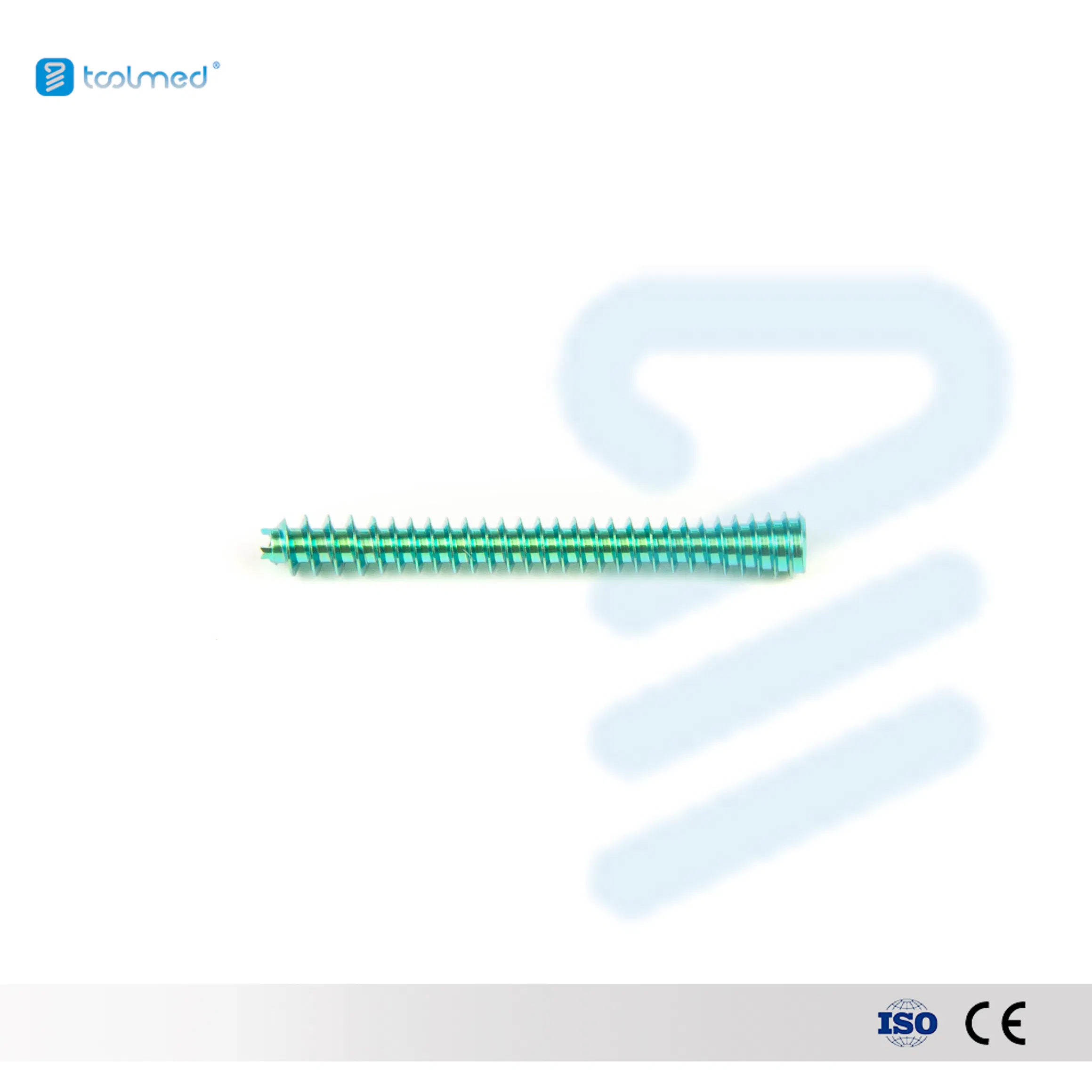
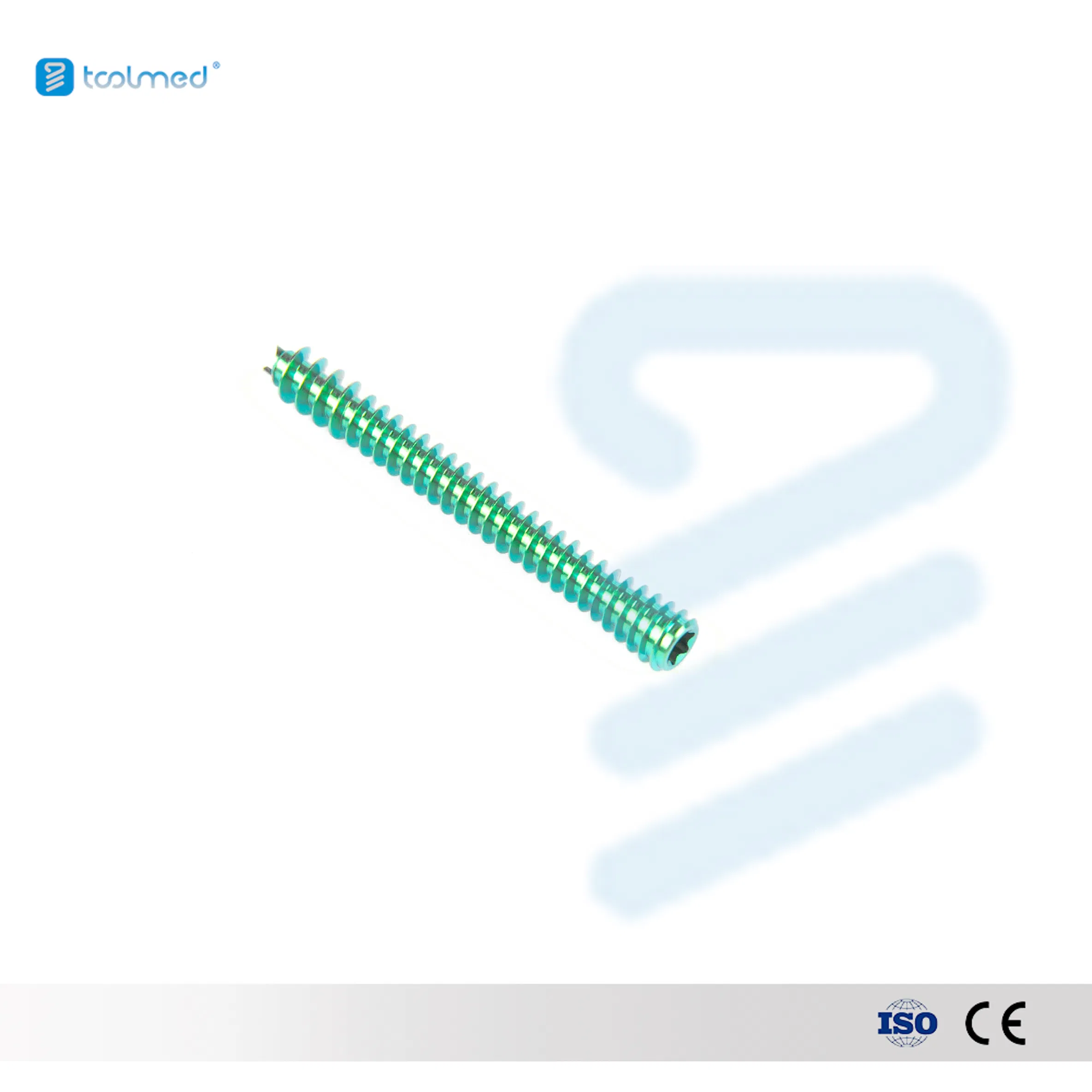
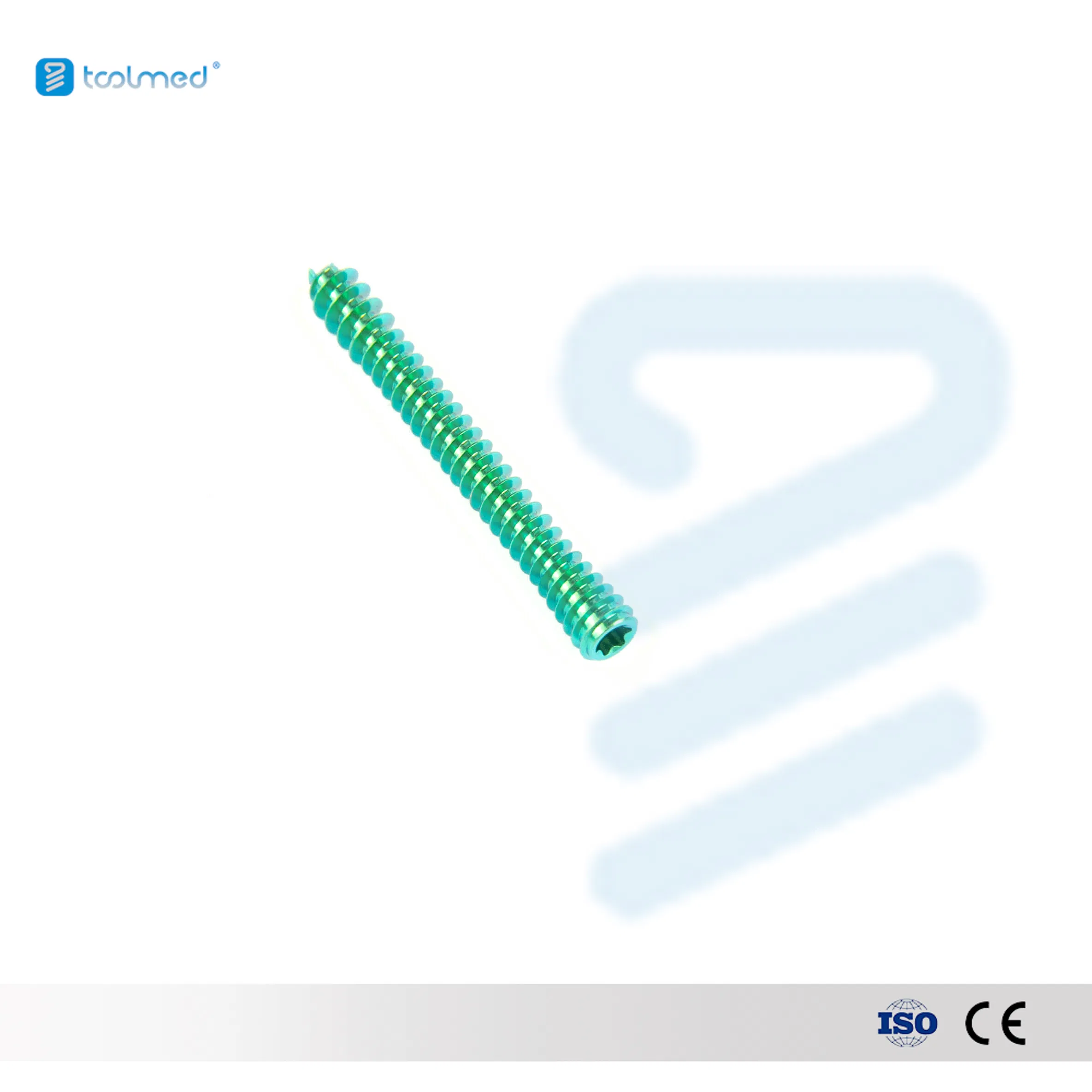
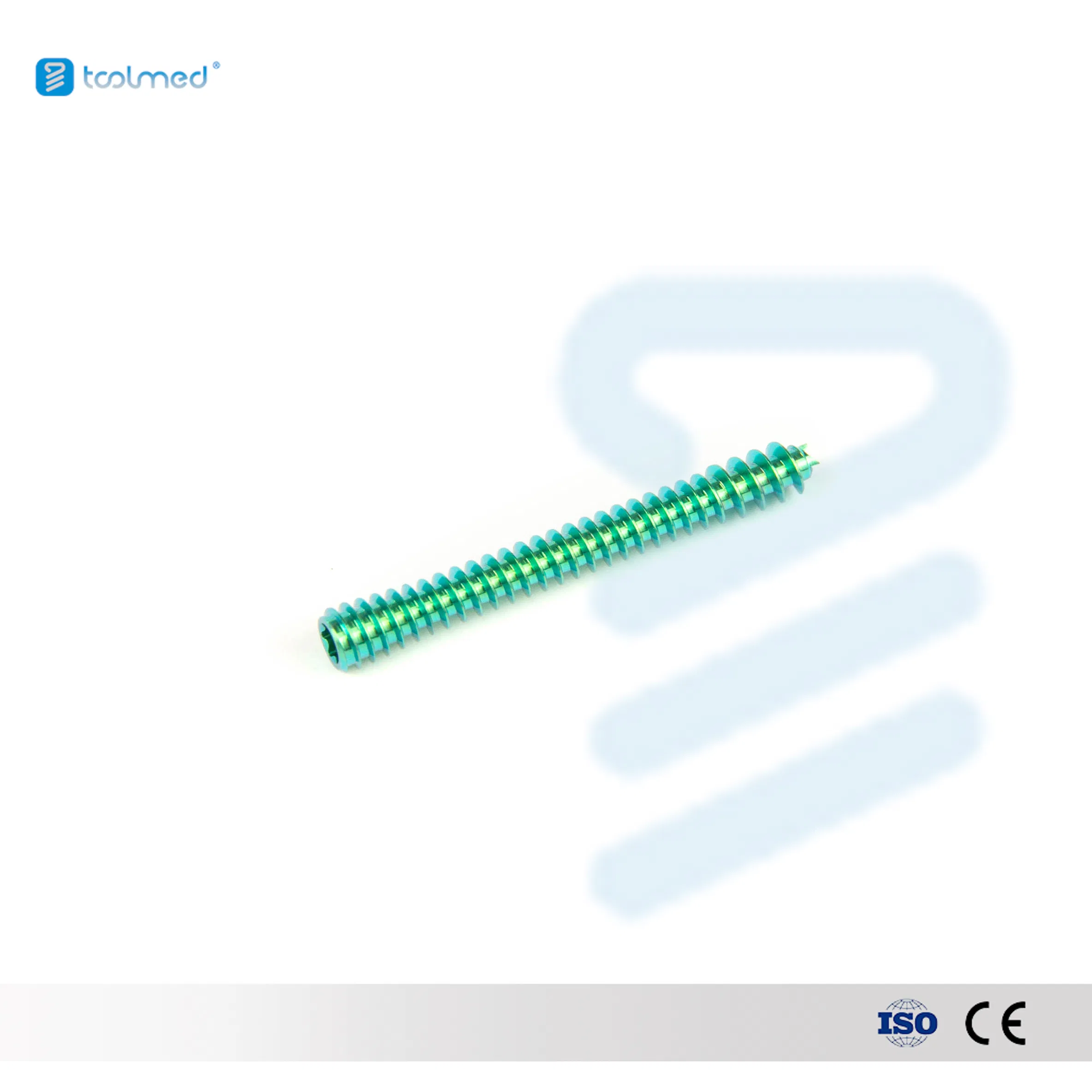
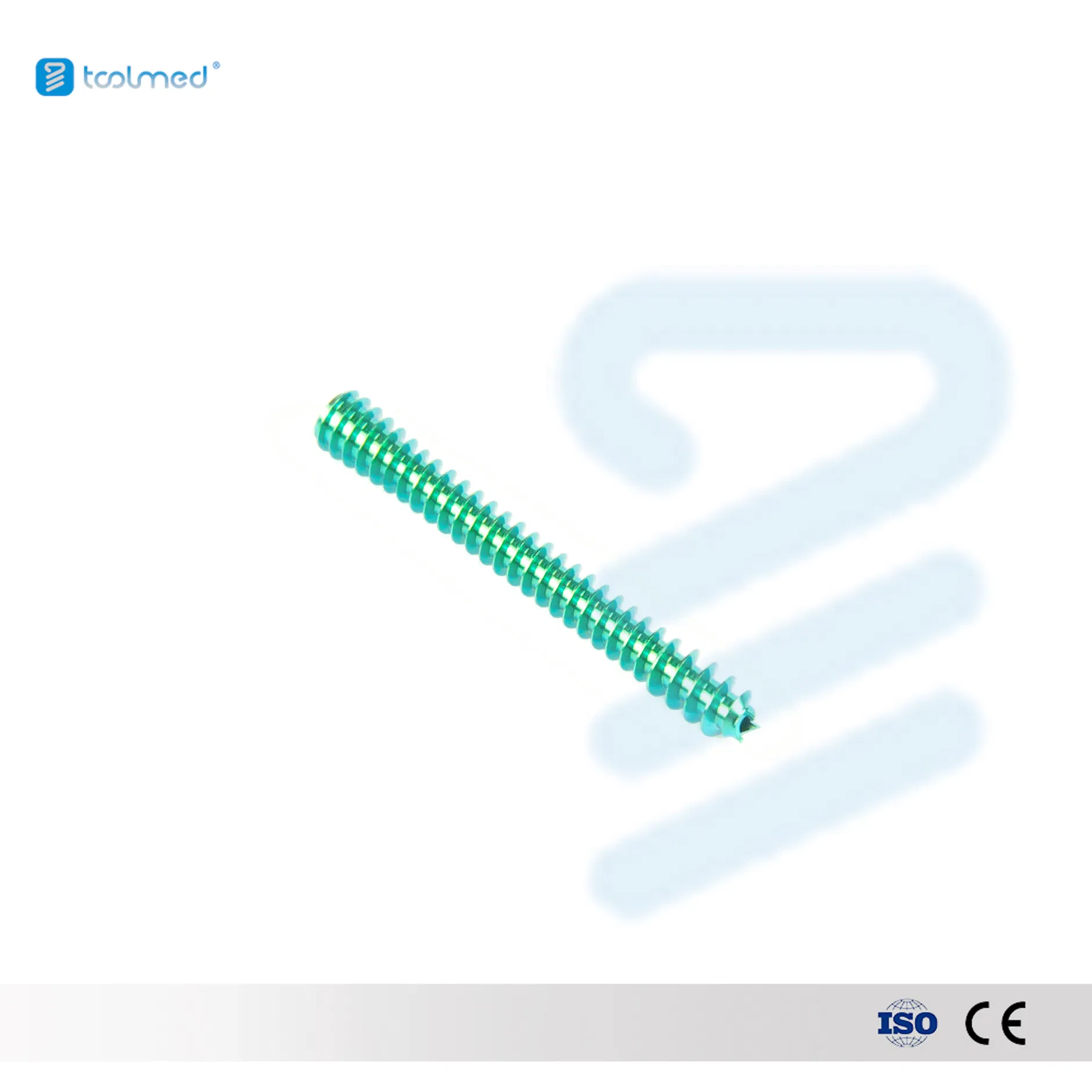
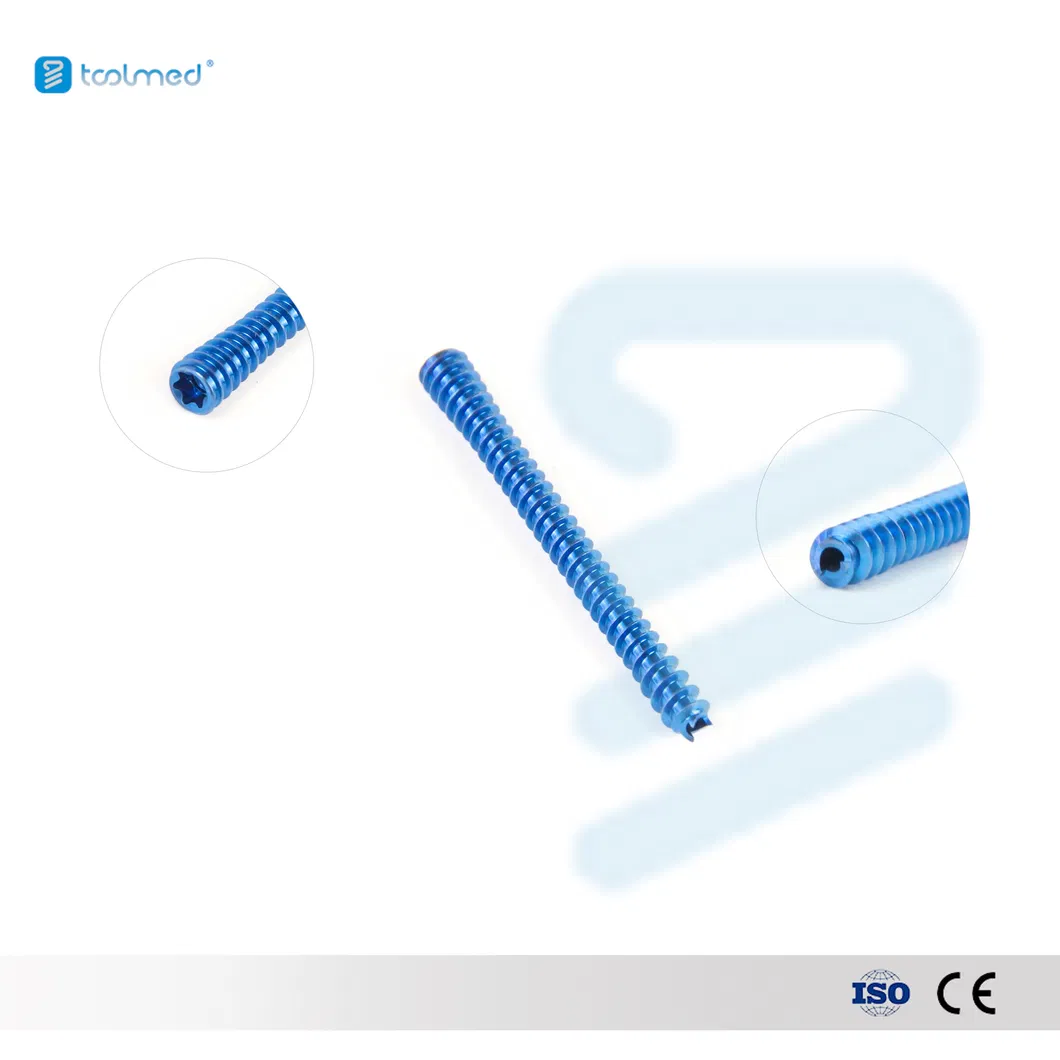
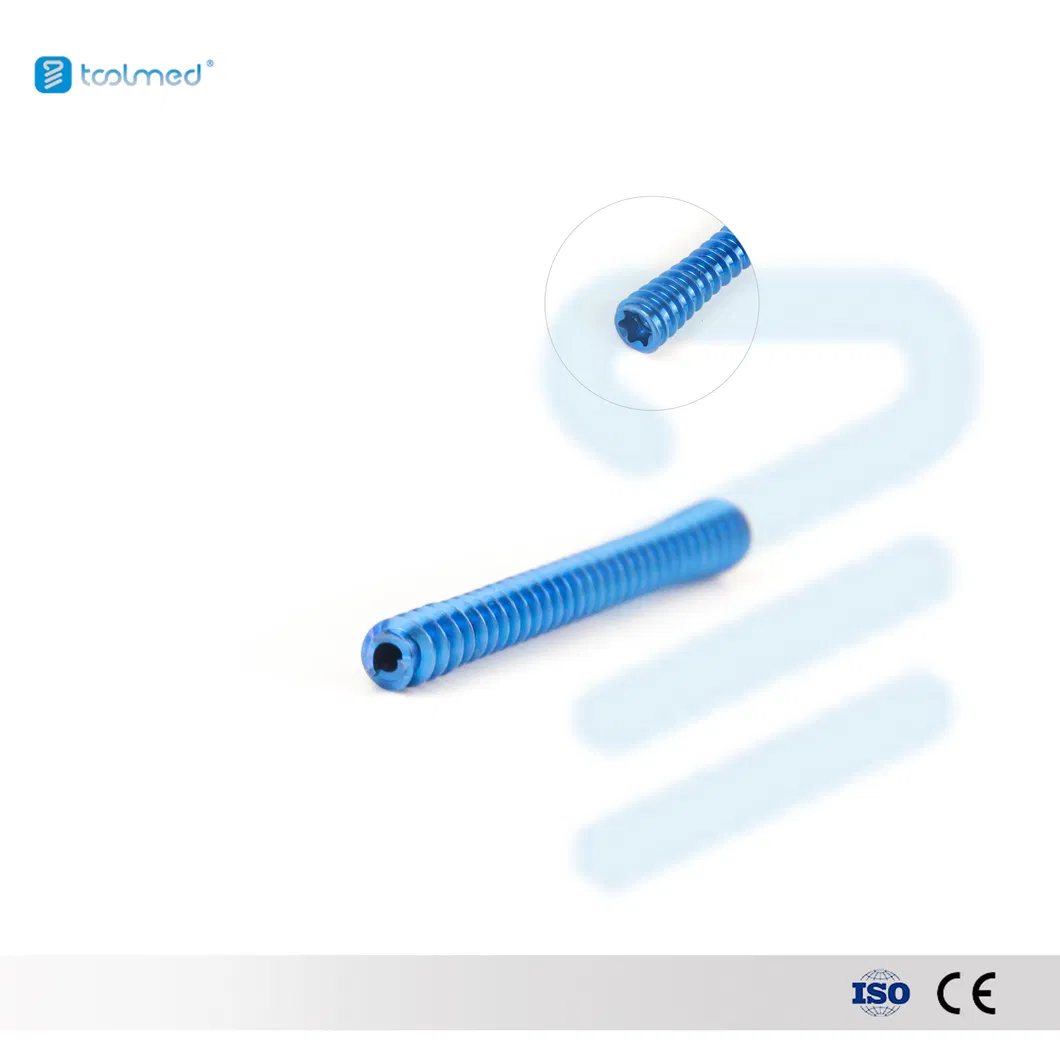
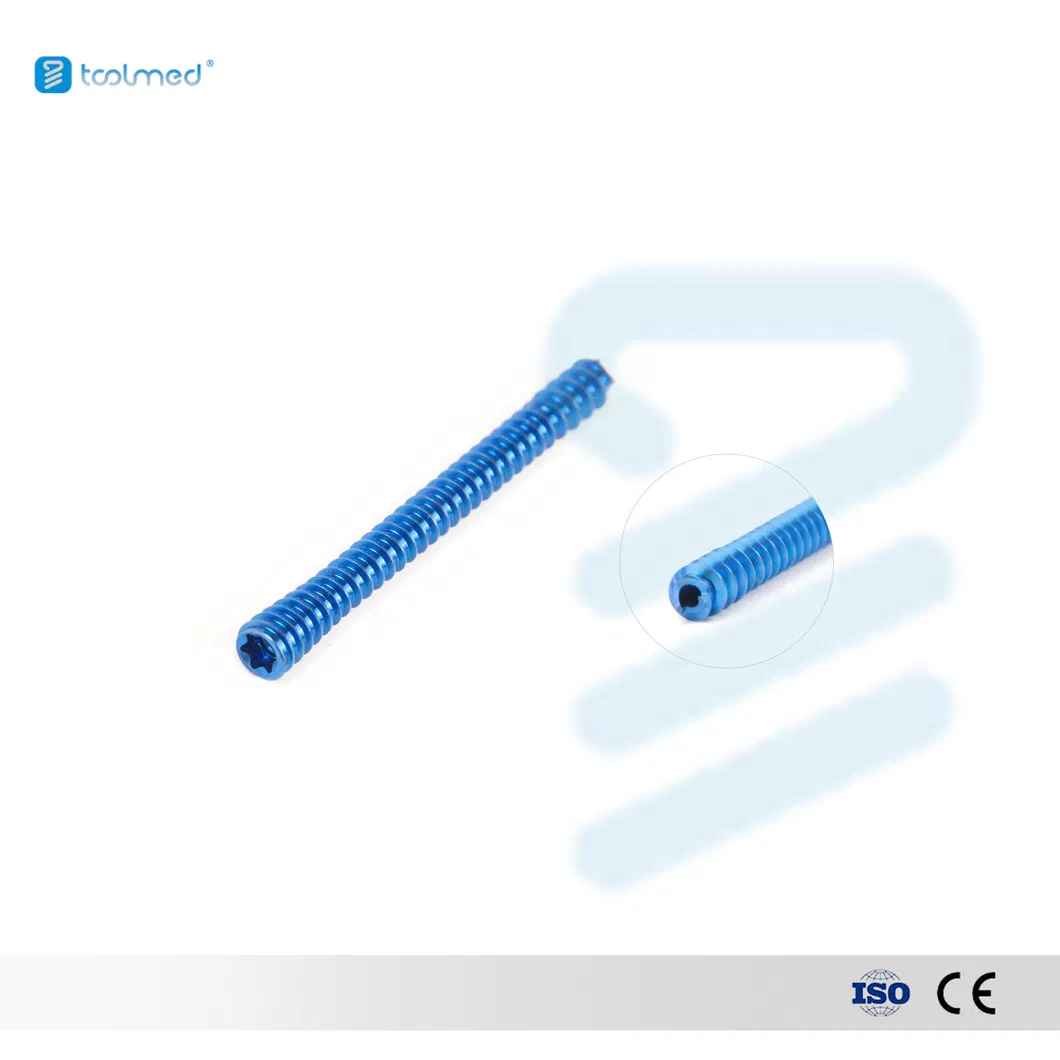
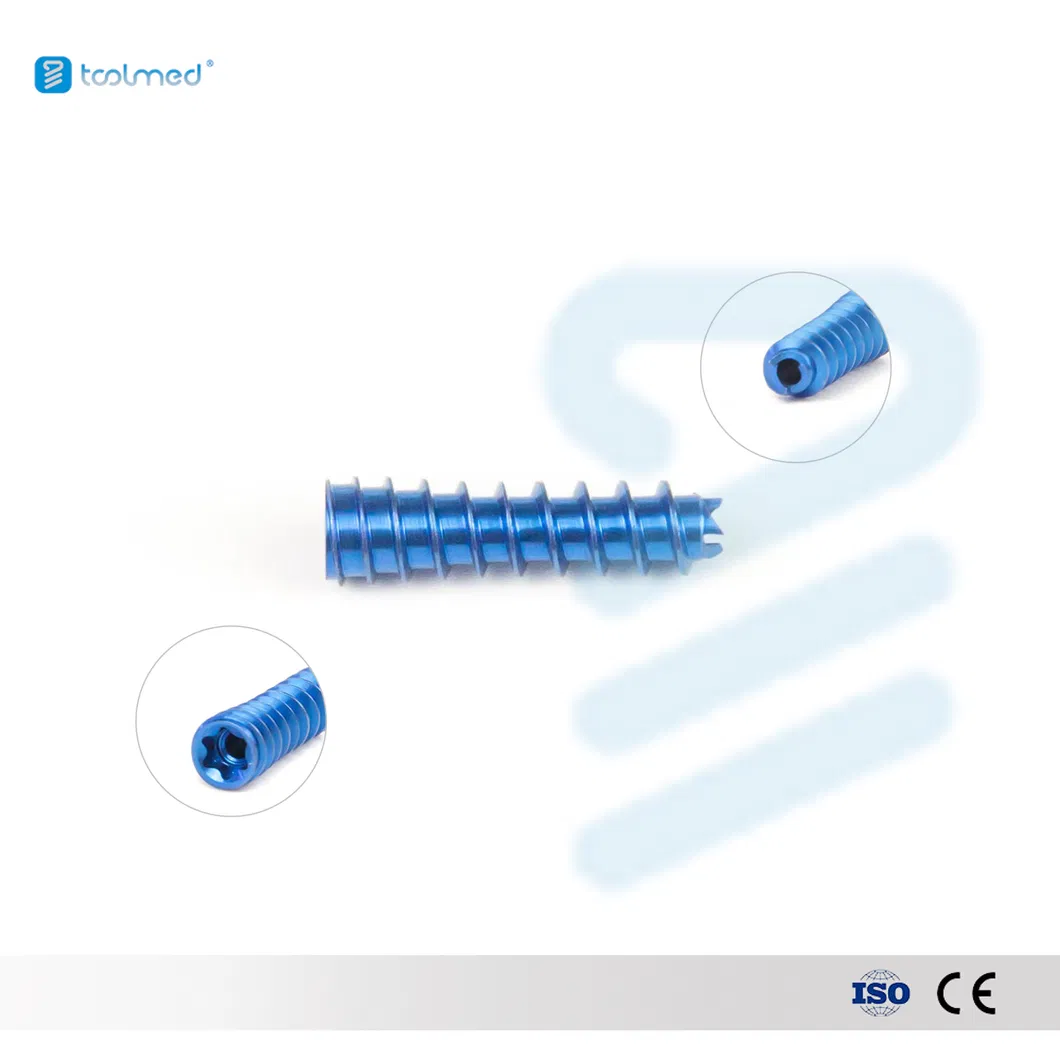
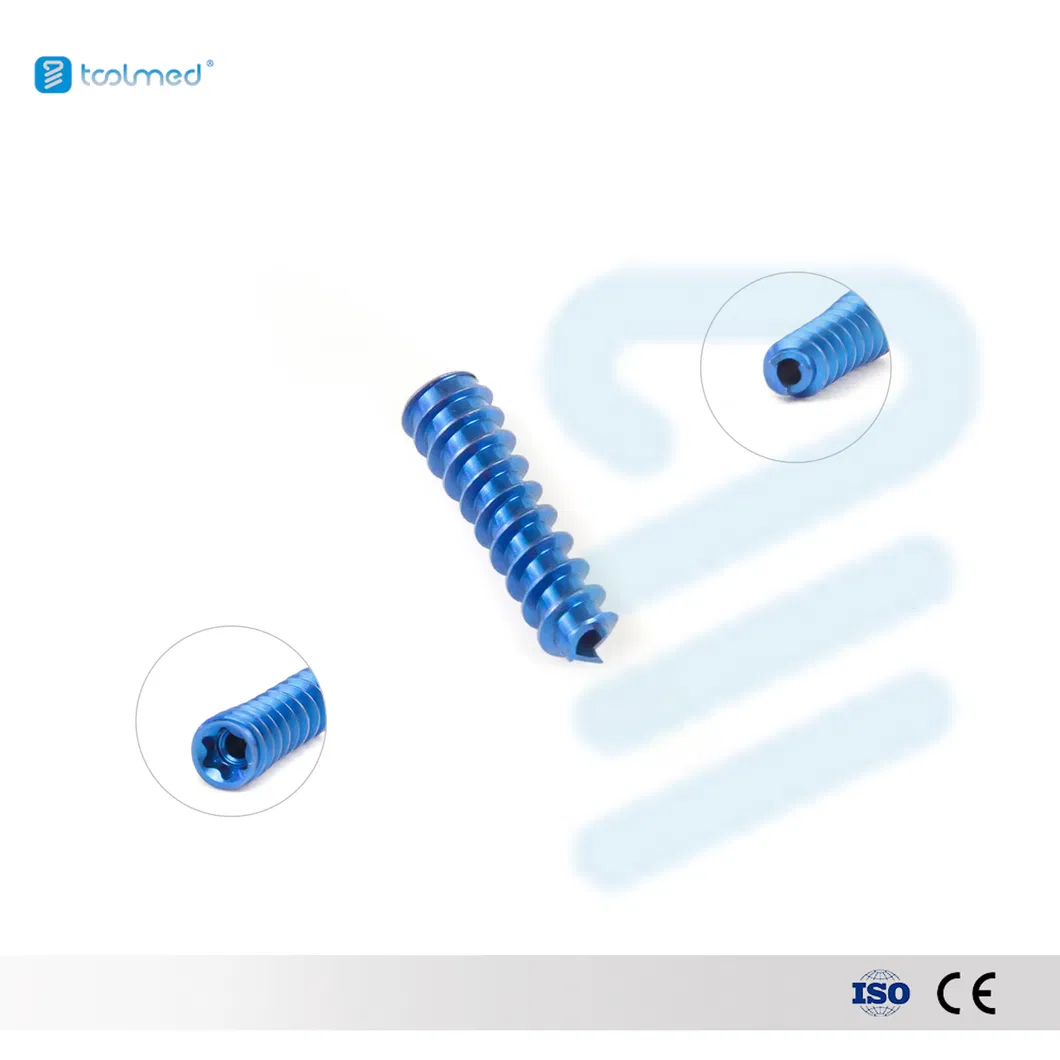
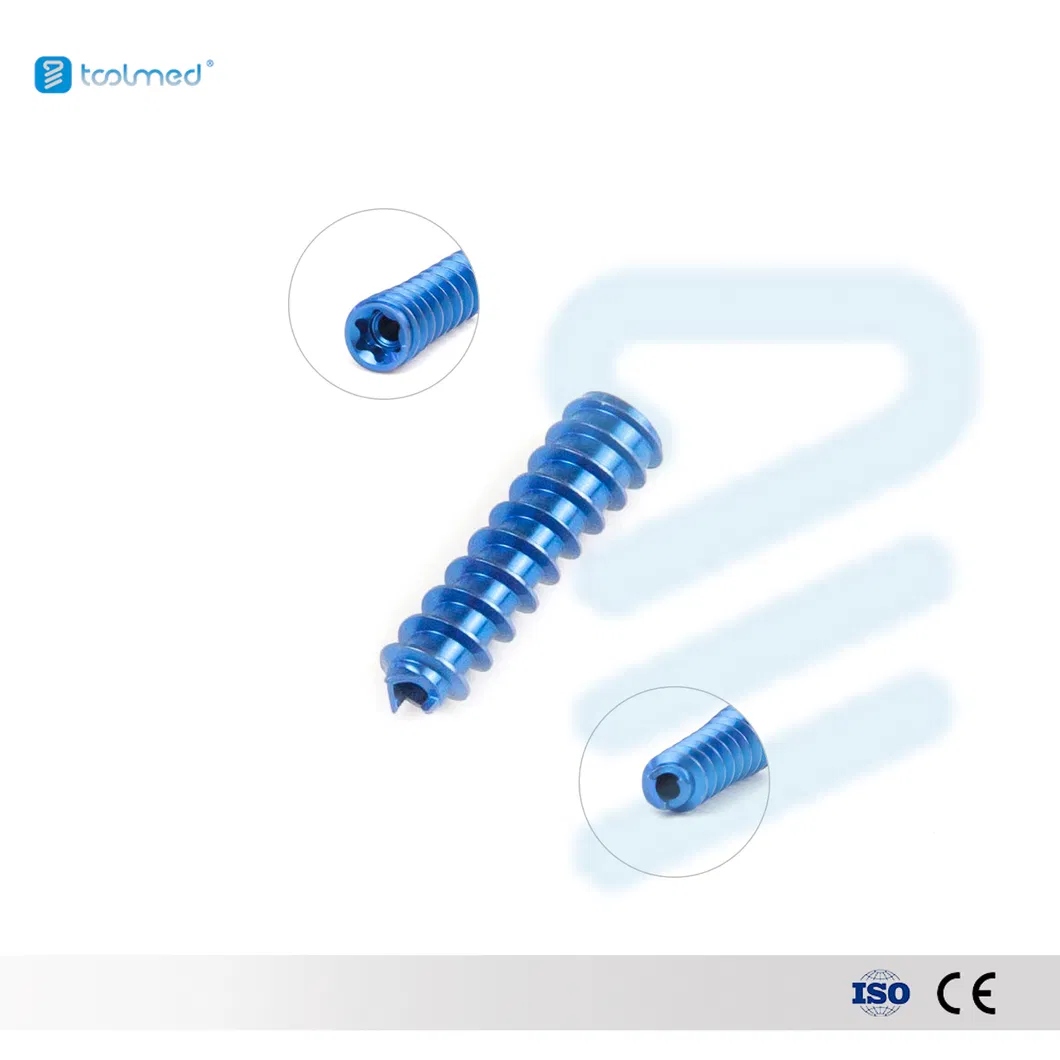
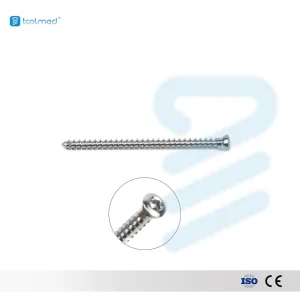
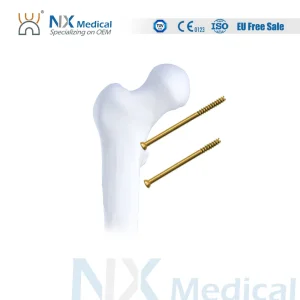
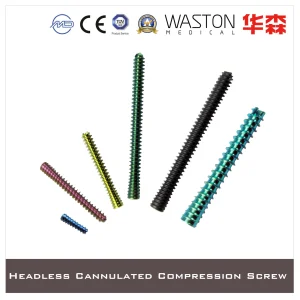
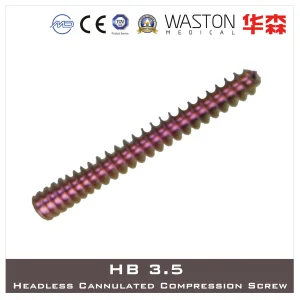
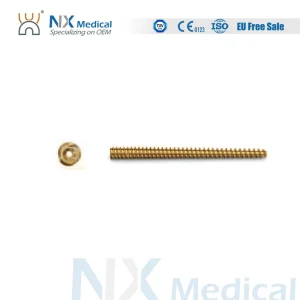
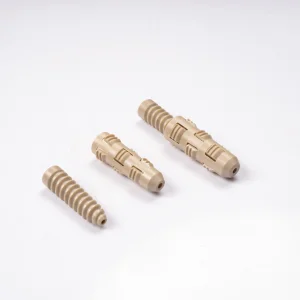
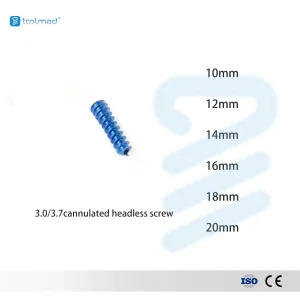
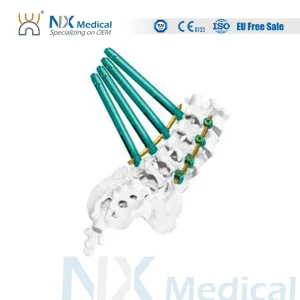
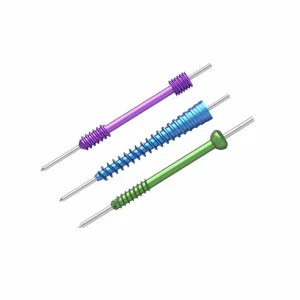
Medical OEM&ODM Titanium Cannulated Headless Compression Screw Hollow Orthopedic Implant Cannulated Screw Bone Screws

Still deciding? Get samples of $ !
Request Sample

Product Description

Basic Specifications

Color
Customized
Application
Trauma Surgery
Material
Titanium Alloy
Transportation
DHL / TNT / FedEx / Air Flight
Transport Package
Plastic Bag / Carton
Specification
3.0 / 3.5 / 4.0 / 5.0
Origin
China
HS Code
902110000
Capacity
300000 Pieces / Year

Product Overview

What is a Cannulated Headless Compression Screw?

The Headless Compression Screw is a specialized orthopedic implant used for scaphoid fracture fixation. It is designed to generate significant compression across the fracture site while being countersunk below the articular surface to minimize irritation.

Key Advantages

  • Reduced Soft Tissue Damage: Headless design minimizes interference with surrounding tendons and ligaments.
  • Superior Stability: Provides more stable fixation compared to traditional cortical screws.
  • Minimally Invasive: Can be inserted percutaneously over a guide wire.
  • Enhanced Healing: Internal compression promotes faster primary bone union.
  • Hollow Center: Allows precise placement using intraoperative imaging.

Surgical Technique Guide

1
Incision and Exposure:

Make a 1-3 cm incision near the fracture site, avoiding critical nerves and vessels. Gently separate soft tissues to expose the fracture end.

2
Fracture Reduction:

Restore the bone to its anatomical position using manual traction. Use C-arm fluoroscopy to monitor accuracy.

3
Guide Wire Insertion:

Insert a guide wire along the designed path, ensuring it is perpendicular to the fracture plane under imaging guidance.

4
Measurement & Drilling:

Determine screw length using a dedicated measuring device. Select a cannulated drill bit and drill over the guide wire while cooling with irrigation.

5
Screw Insertion & Fixation:

Mount the screw onto the compression sleeve and advance it over the guide wire. Tighten until the head is flush with the bone and compression is achieved.

6
Closure:

Irrigate the wound, suture in layers (fascia, then skin), and apply appropriate dressing or splints.
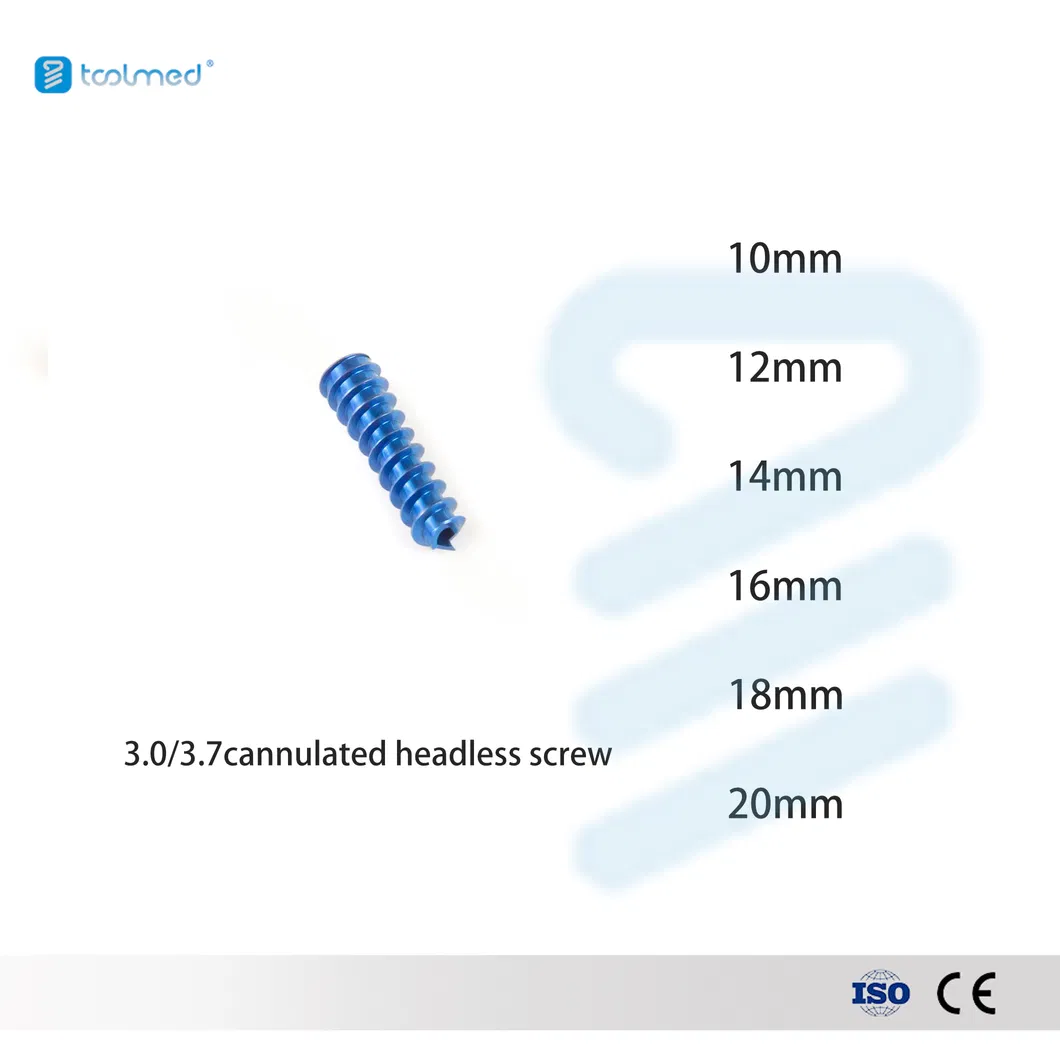
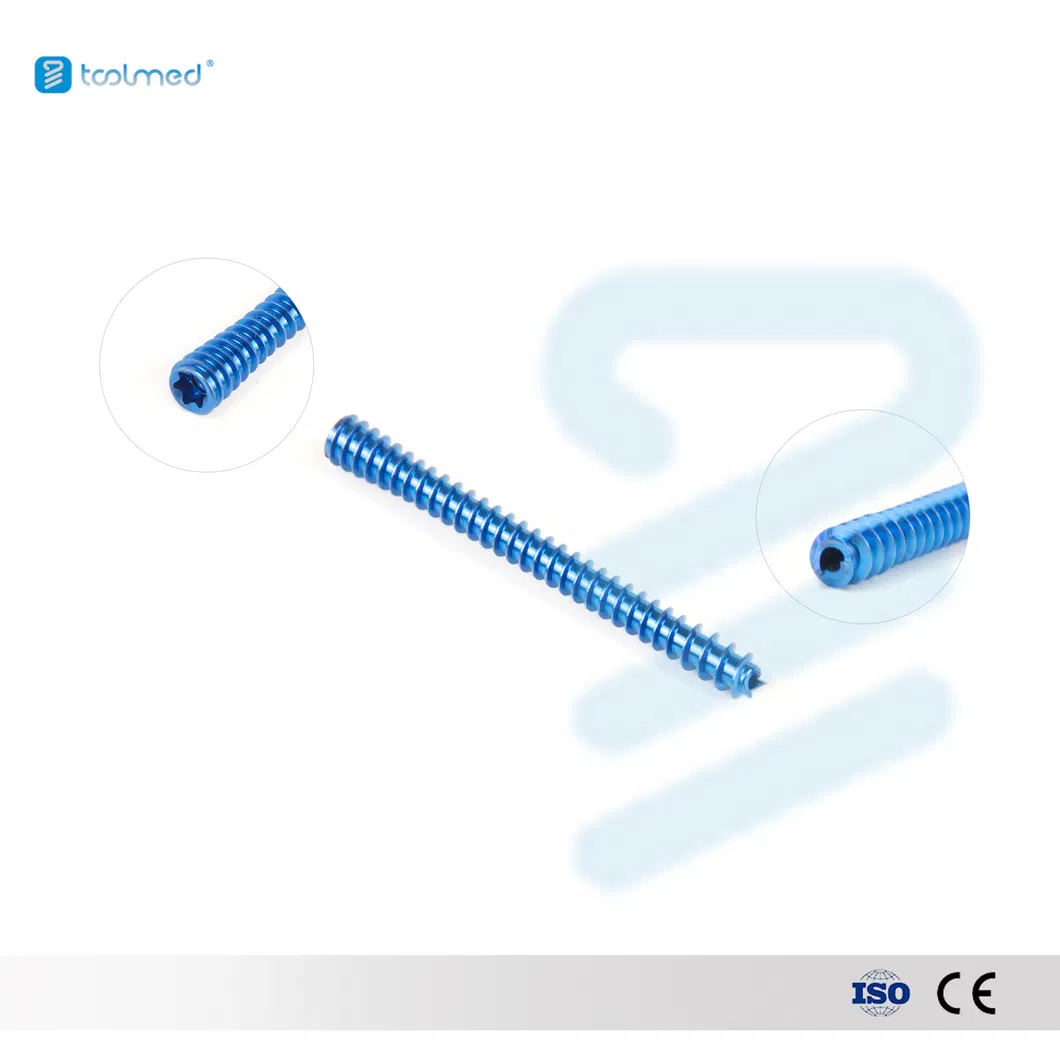
Product Display

Frequently Asked Questions

What materials are these screws made of?
These screws are typically manufactured from high-grade Titanium alloy or Stainless Steel to ensure biocompatibility and strength.
Are the products certified for medical use?
Yes, the manufacturing processes and products are approved under CE and ISO13485 quality management standards.
How long is the typical recovery time after surgery?
Recovery varies by fracture severity, but patients usually begin rehabilitation a few weeks post-surgery, with continued improvement over several months.
Can these screws be removed after the bone has healed?
In cases where the hardware causes pain or irritation, they can be removed. This decision must be made in consultation with a qualified orthopedic surgeon.
Are there any activity restrictions post-operation?
Patients are generally advised to avoid weight-bearing on the affected limb for several weeks. Specific physical therapy protocols should be followed based on physician instructions.
What types of Headless Compression Screws are available?
Available options include fully threaded, partly threaded, self-drilling, and self-tapping designs to suit different clinical requirements.

Related Products