In the realm of spinal reconstructive surgery, the Anterior Cervical Plating System (ACPS) stands as a cornerstone for ensuring post-operative stability and promoting successful arthrodesis. As the global demand for spinal implants grows, driven by an aging population and increasing incidences of degenerative disc diseases, Changsha WEX Medical Instruments Co., Ltd. has emerged as a premier manufacturer, bridging the gap between high-end clinical requirements and cost-effective manufacturing.
With over two decades of dedicated experience, WEX Medical (branded as "WEX") has revolutionized the production of orthopaedic implants. Our portfolio, ranging from bone plates and interlocking nails to sophisticated spine internal fixation systems, is the result of rigorous R&D and clinical validation. Every "WEX" branded implant is a testament to our commitment to E-E-A-T principles—Expertise in engineering, Experience in clinical application, Authoritativeness in the industry, and Trustworthiness through uncompromising quality control.
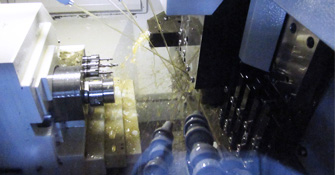
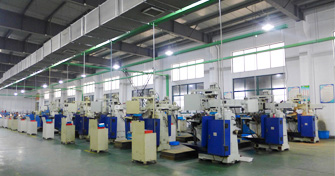
Our facility houses over a hundred production units, including advanced CNC machining centers, sliding headstock auto-lathes, and high-precision milling machines. This allows for micron-level tolerances essential for spinal implants.
Using Carbon and Sulphur analyzers along with tensile-testing machines, we ensure that every batch of Titanium alloy meets the biocompatibility and fatigue-resistance standards required for long-term implantation.
Following strict GMP standards, our packaging and final assembly occur in ultra-clean workshops. Our asepsis rooms and positive control rooms prevent any microbial contamination, ensuring patient safety.
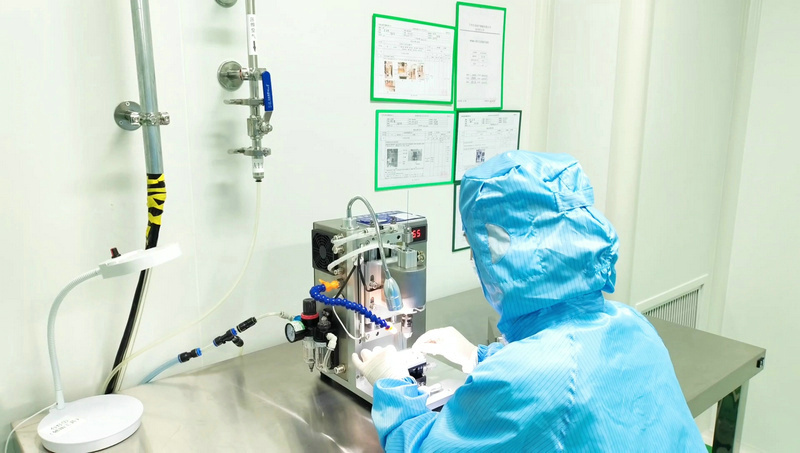
Precision Drilling
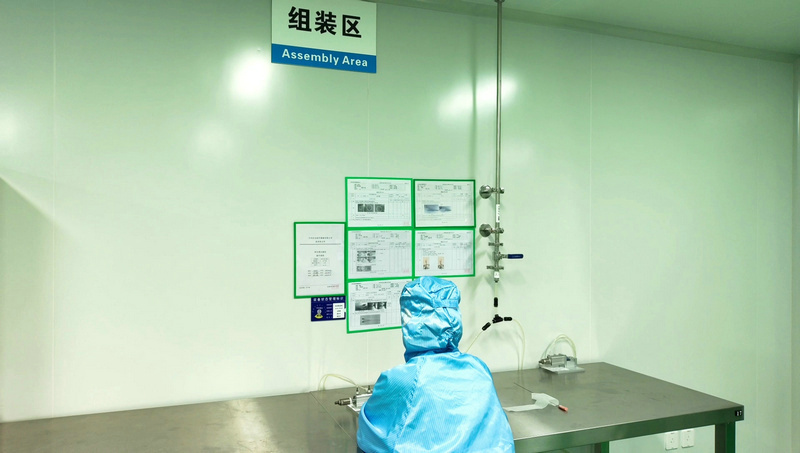
Expert Assembling
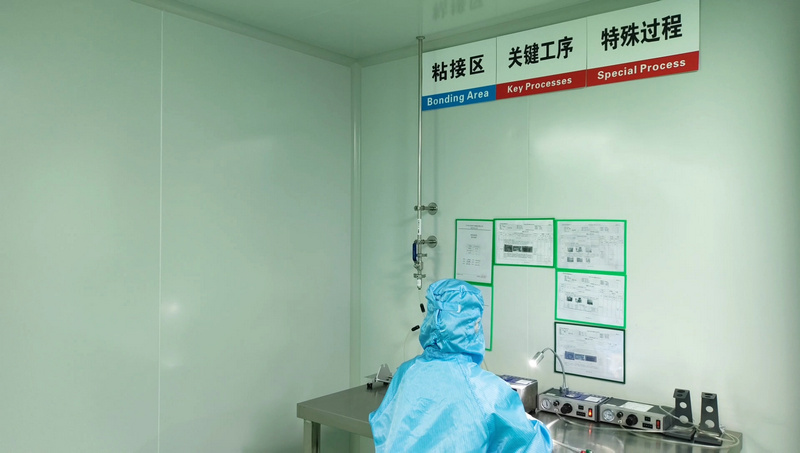
Component Bonding
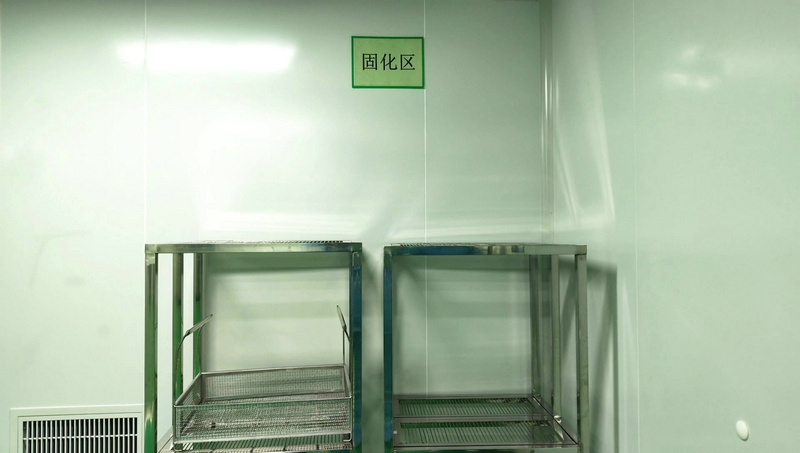
Stabilization Testing
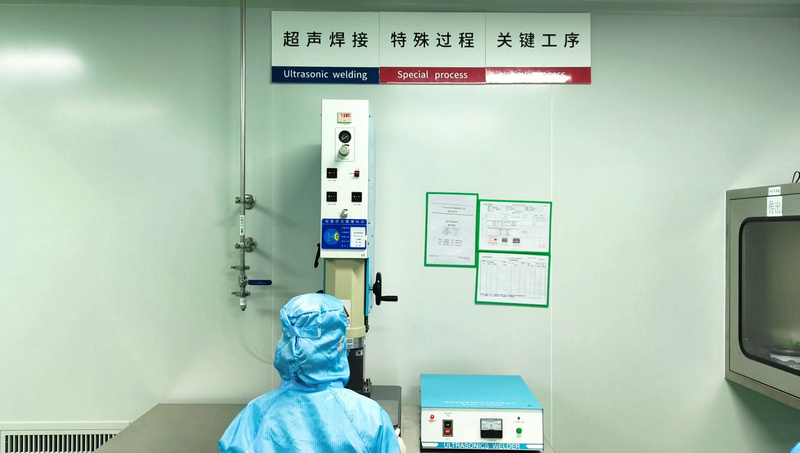
Ultrasonic Welding
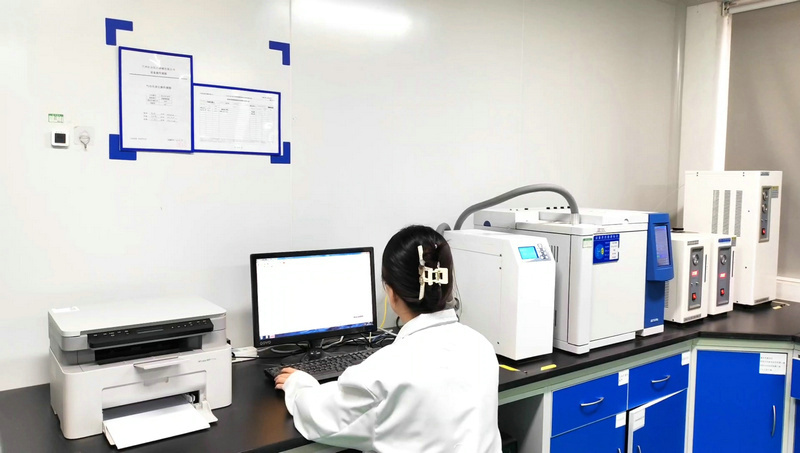
Gas Chromatography
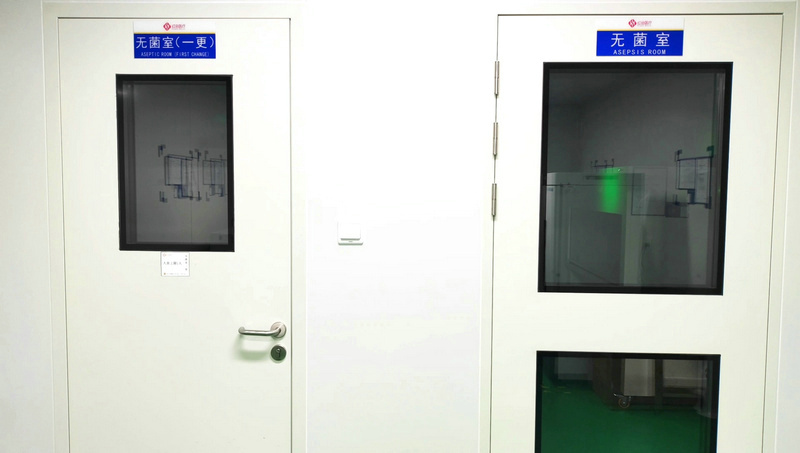
Asepsis Room
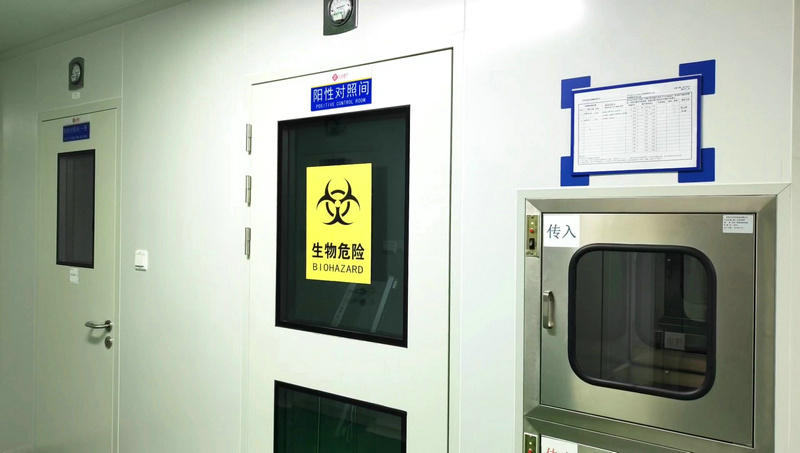
Positive Control
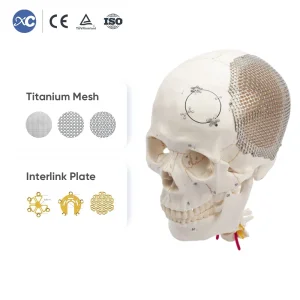
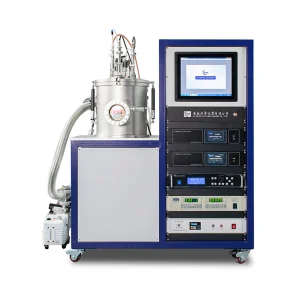
The industry is shifting from Static Plating to Dynamic Plating Systems. Dynamic plates allow for controlled axial settling, which maintains load-sharing on the bone graft, significantly enhancing the fusion rate. Furthermore, the integration of 3D-printed Titanium structures and PVD (Physical Vapor Deposition) coatings (as seen in our Vacuum Plating systems) is improving the osteointegration properties of these implants.
Modern surgeons now demand "Low-Profile" designs to minimize post-operative dysphagia. China's manufacturers, specifically WEX Medical, are leading this trend by utilizing high-strength Titanium alloys (Ti-6Al-4V ELI) that allow for thinner plates without sacrificing structural integrity.
China offers a unique ecosystem for medical device manufacturing. By centralizing the supply chain—from raw titanium sourcing to advanced PVD coating and sterile packaging—factories like WEX can offer competitive pricing while maintaining CE and ISO 13485 certifications. This Information Gain is crucial for global distributors seeking high-margin, high-reliability products.
International procurement teams require more than just a product; they need a partner. WEX provides full clinical insurance, comprehensive technical documentation (IFU), and modular surgical instrument sets (like our Zero-X series) to facilitate seamless hospital integration.
Our Anterior Cervical Plating Systems are optimized for a variety of clinical scenarios:
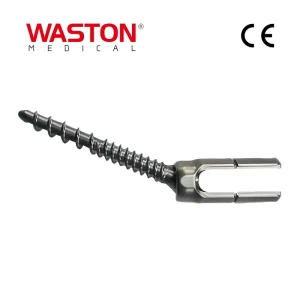
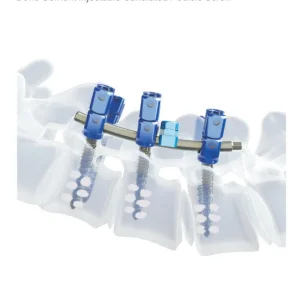
We don't just sell plates; we offer Spinal Fixation Macro-Solutions. This includes the integration of cannulated pedicle screws, bone cement systems, and specialized instruments that reduce surgery time and improve patient outcomes.
A: We use medical-grade Titanium Alloy (Ti-6Al-4V) which offers superior biocompatibility, a high strength-to-weight ratio, and MRI compatibility.
A: Yes, all our implantable products carry CE marking and our quality management system is certified to ISO 9001:2008 and ISO 13485:2003 standards.
A: With over 100 CNC machines and in-house R&D, we provide comprehensive OEM/ODM services, from design to sterile packaging, for international medical device companies.
A: It eliminates the need for repeated sterilization of instruments, reducing the risk of cross-infection and lowering hospital logistics costs.
 WEX Medical