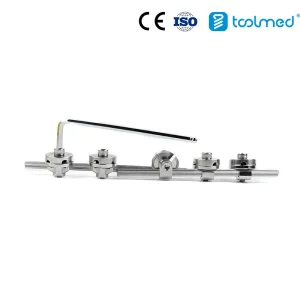
Engineered for biomechanical stability, clinical excellence, and absolute patient safety. Discover our globally certified solutions.
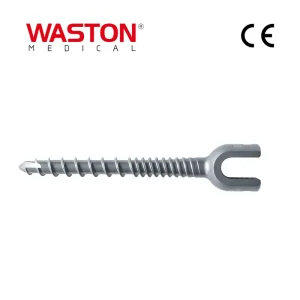
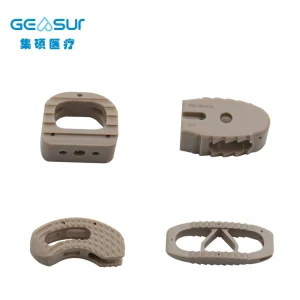
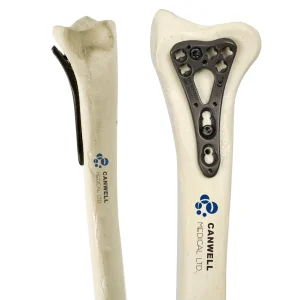
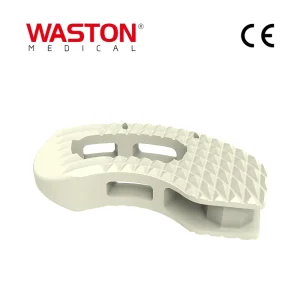
As orthopedic surgeries grow more complex, the global medical field demands advanced traction devices, skeletal fixation systems, and high-performance biomaterials that reduce operating times and promote faster patient rehabilitation.
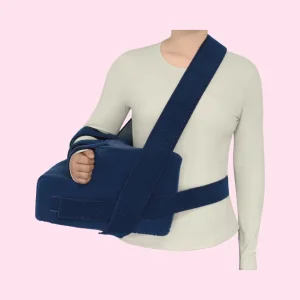
Orthopedic traction and spinal fixation systems provide mechanical support, direct forces to correct skeletal alignment, and stabilize bone segments during reconstruction. For global medical distributors, sourcing these critical systems requires working with manufacturers that combine precise CNC manufacturing with clinical validation.
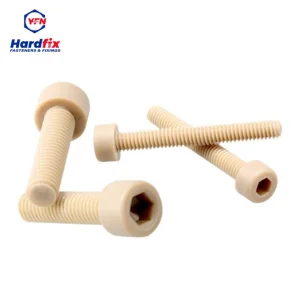
WEX Medical leverages modern medical metallurgy and bio-stable polymers (such as PEEK and PVDF) to manufacture implants and instruments that maintain structural stability under physiological loads, offering reliable alternatives for orthopaedic and trauma surgeons worldwide.
A trusted manufacturer of orthopedic implants and specialized surgical instruments.
For over twenty years, Changsha WEX Medical Instruments Co., Ltd. has developed and manufactured orthopedic implants and instruments branded under "WEX."
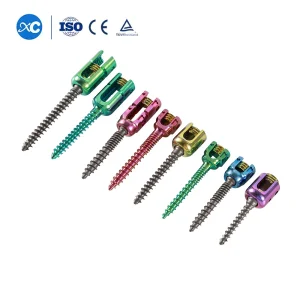
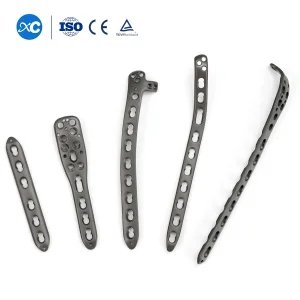
Our product portfolio includes bone plates, bone screws, interlocking nails, spine implants, and spinal internal fixation systems. Certified to ISO 9001 and ISO 13485 standards, all WEX implant products are manufactured to satisfy the high quality and performance requirements of international clinical buyers.
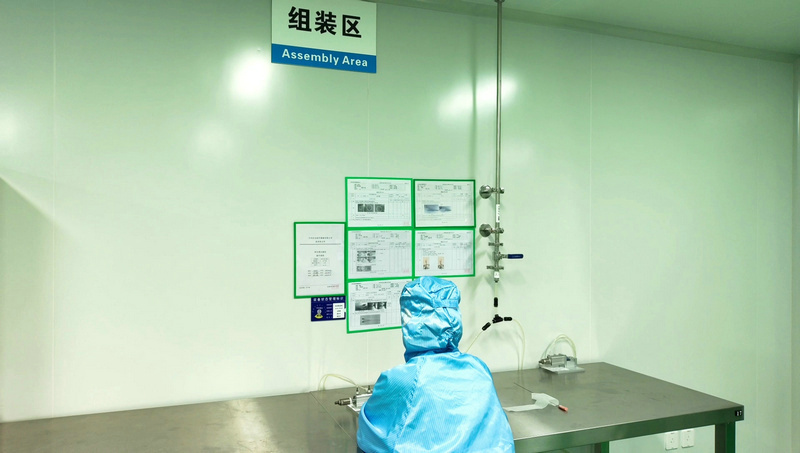
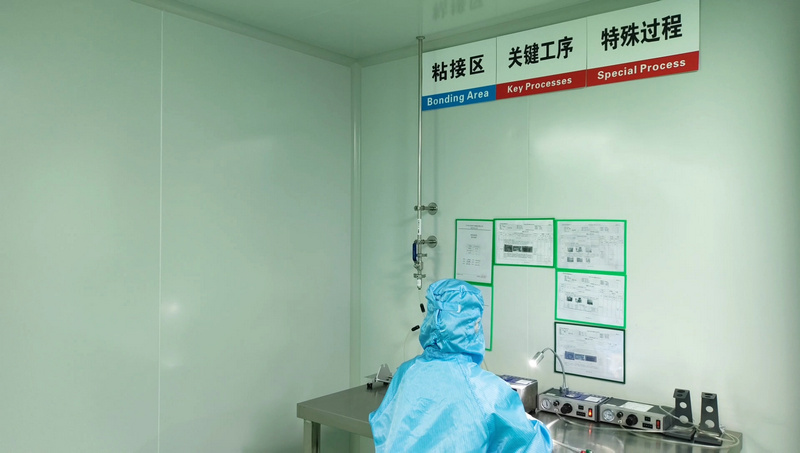
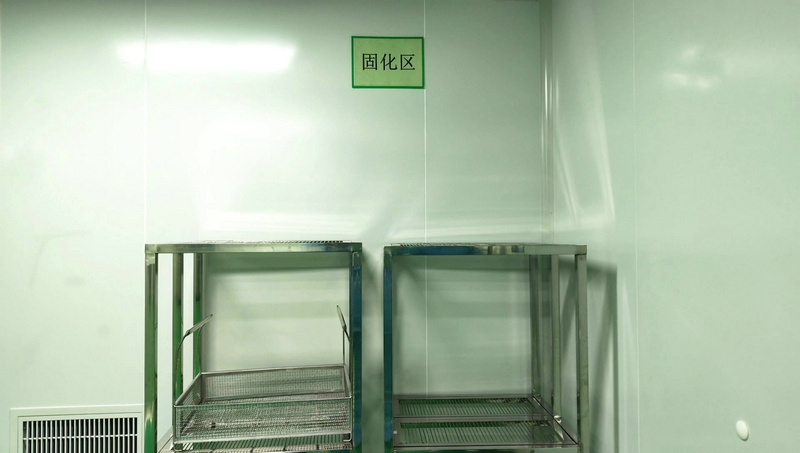
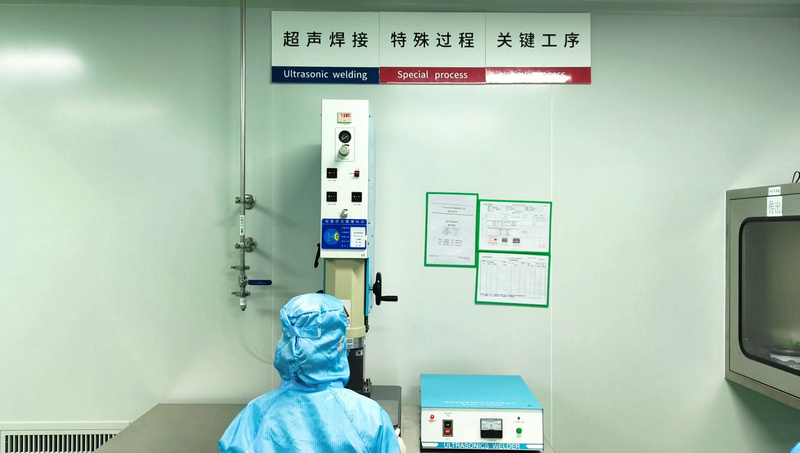
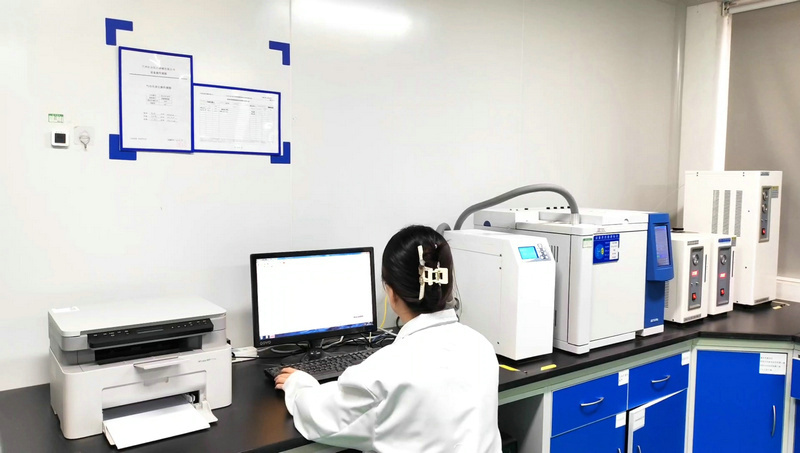
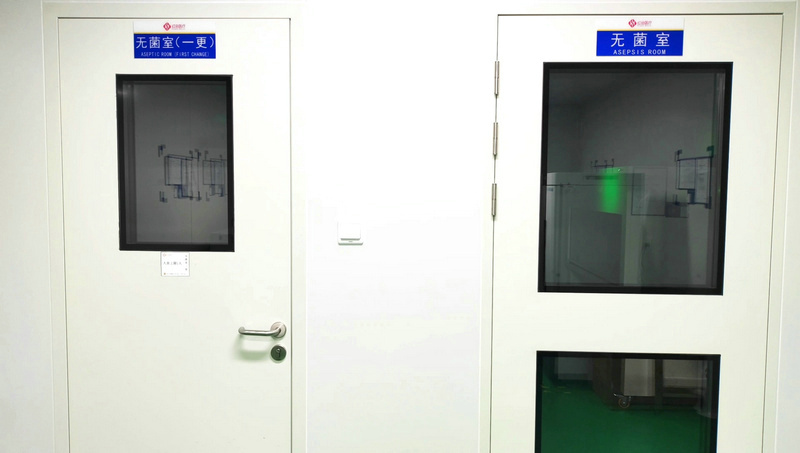
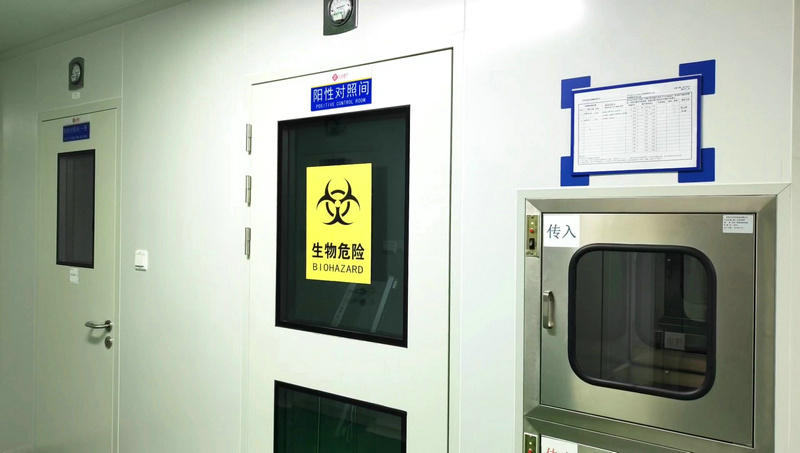
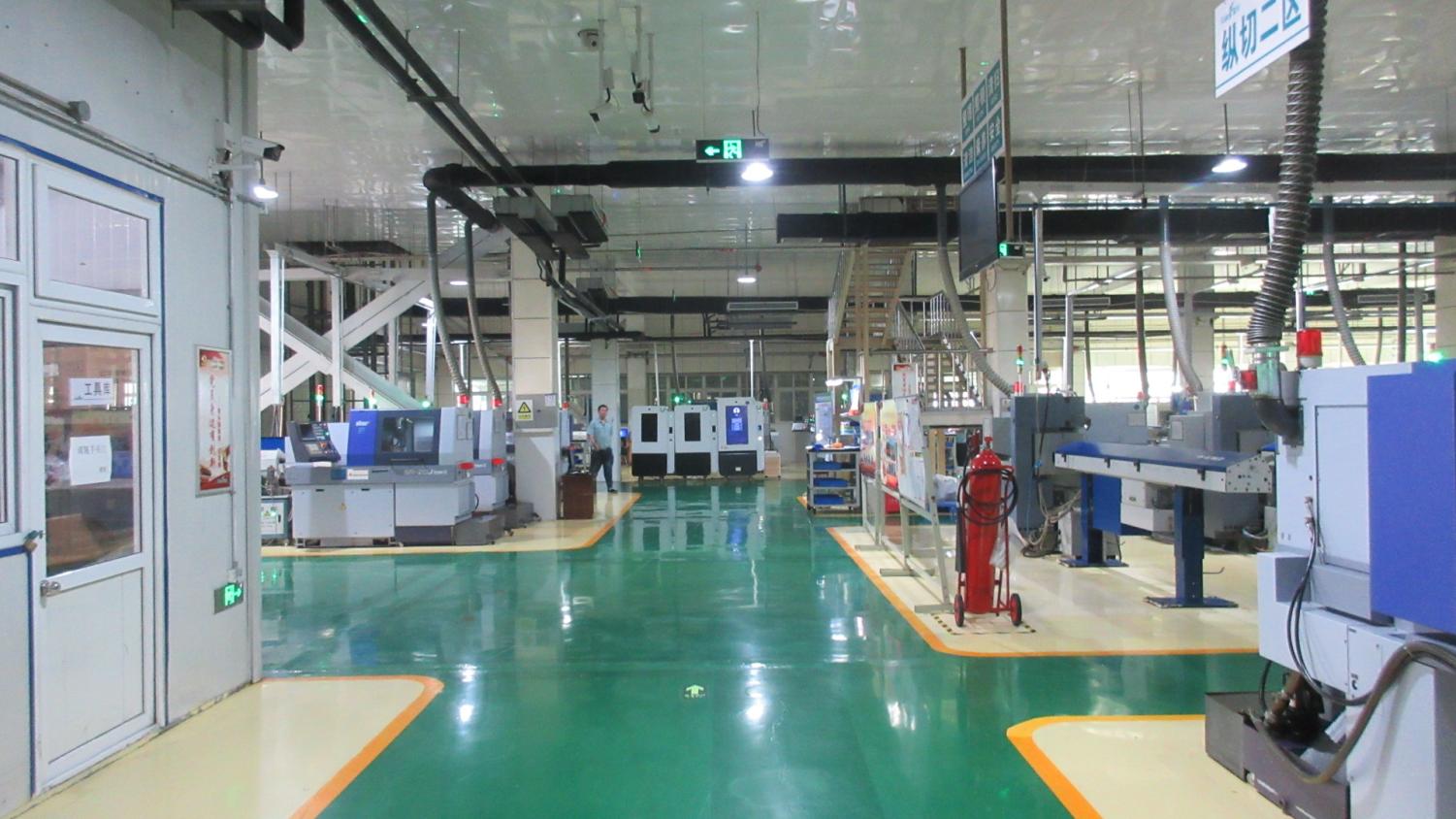
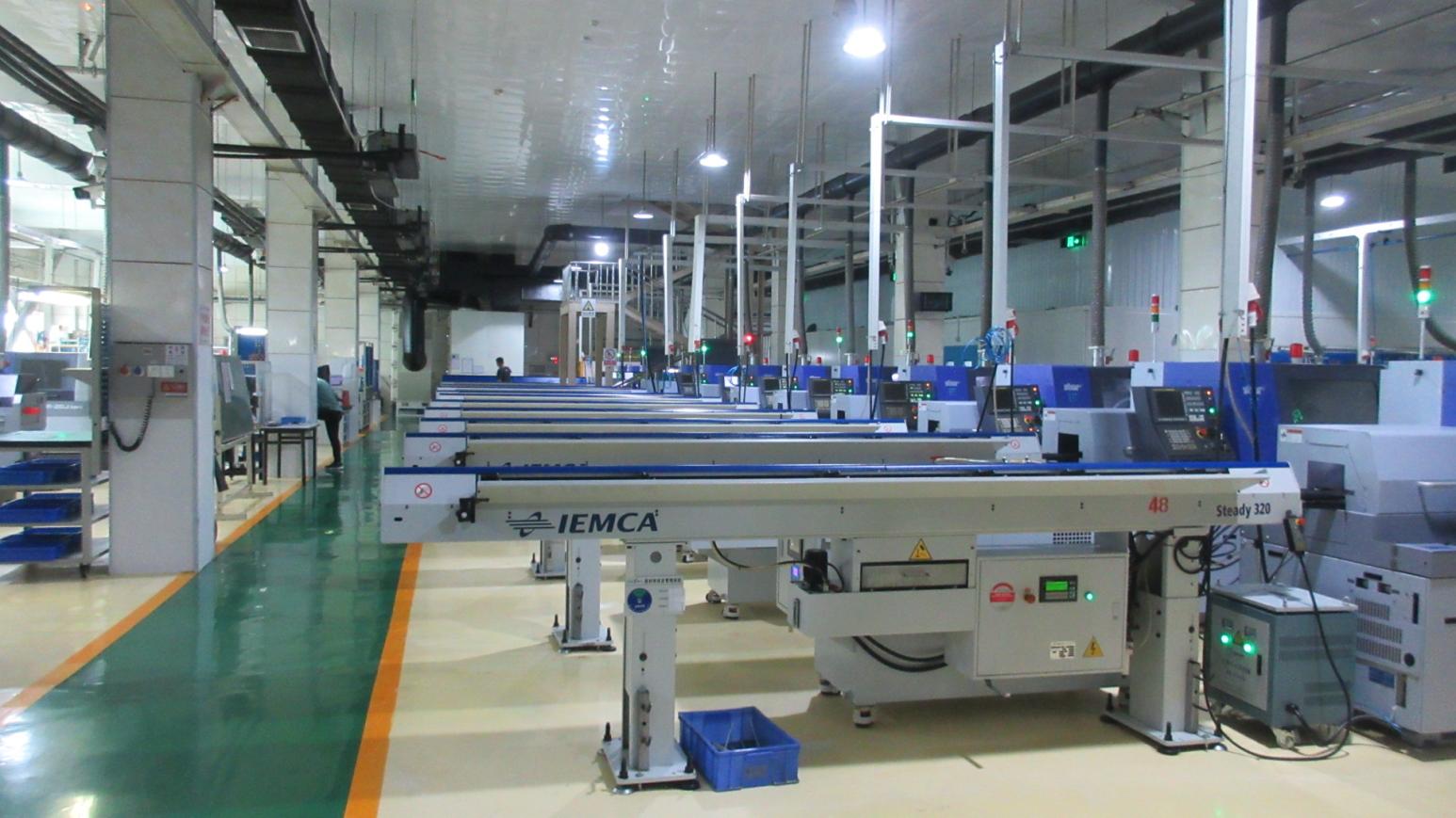
Operating a Quality Management System registered to ISO 9001:2008 and ISO 13485:2003, our factory workshops are designed for sterile and high-precision production. The facility houses over one hundred units of production equipment, including advanced CNC machining centers, sliding headstock auto-lathes, CNC milling machines, CNC lathing machines, and high-efficiency ultrasonic cleaning setups. Final packaging is performed in cleanrooms that meet strict GMP protocols.
"We aim to design and produce reliable implantable products for our customers. Relying on development, design, and marketing systems formed alongside orthopaedic experts in leading domestic hospitals, we ensure our products are backed by clinical experience."
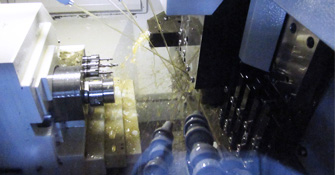
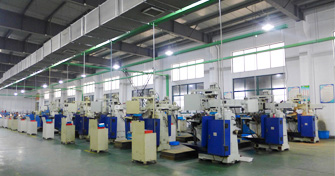
Each phase of production is subject to internal auditing, clinical-grade testing, and strict documentation under GMP protocols.
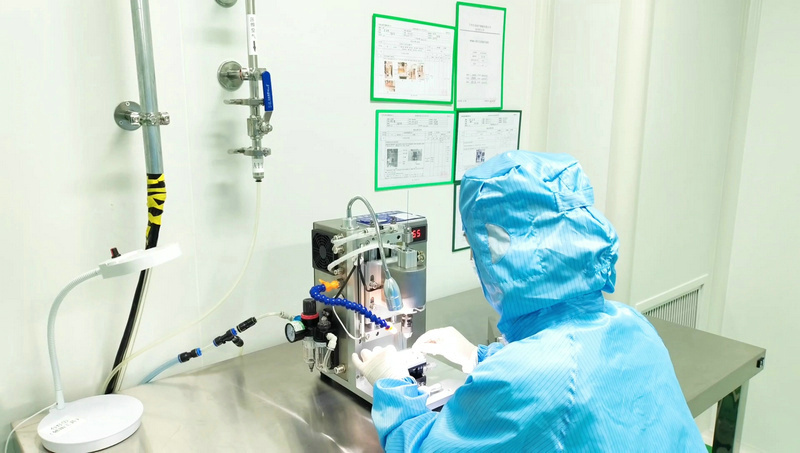
Implant Surface Finish Inspection
Structural Fatigue Testing Area
A technical comparison of materials used in clinical fixation, traction, and load-bearing spinal systems.
| Biomaterial Type | Common Medical Applications | Yield Strength & Modulus | Biocompatibility & Properties |
|---|---|---|---|
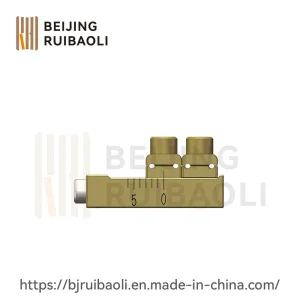
| Titanium Grade 5 (Ti-6Al-4V ELI) | Pedicle Screws, Locking Plates, Spinal Fixation Domino Connectors | High Yield (860 MPa), Elastic modulus closer to cortical bone than stainless steel | Exceptional osseointegration, corrosion resistance, and low MRI artifacts. |
| Medical Grade PEEK (Polyetheretherketone) | Interbody Fusion Cages (TLIF, Banana Cages) | Modulus (3.6 GPa) matching trabecular bone structure | Radiolucent (enabling clear X-ray assessment), high chemical resistance, prevents stress-shielding. |
| PVDF (Polyvinylidene Fluoride) | Screws, Bolts, and Nut assemblies for surgical instruments | High chemical resistance and stability | Resistant to repeat autoclaving, non-toxic, and maintains mechanical properties in vivo. |
| Thin Film Titanium PVD Coating | Coated spinal fusion cages, instrument kits | Enhanced micro-roughness | Promotes direct bone-to-implant contact and reduces particulate wear. |
Developing next-generation trauma, spine, and external fixation platforms.
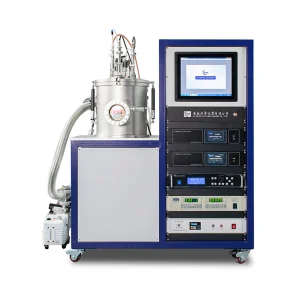
Integrating sub-micron surface topography on titanium and PEEK interfaces. Using chemical etching and magnetron sputtering PVD coatings to increase direct bone contact and accelerate post-operative recovery.
Expanding variable-angle locking plates and patient-specific external fixation systems to address complex, multi-fragment fractures using clinical imaging inputs.
Researching integrated micro-sensors in external wrist and limb fixators to measure bone healing tension and load distribution, feeding diagnostic data directly to orthopedic teams.
How we guarantee regulatory compliance and supply security for international medical importers.
Our Quality Management System meets ISO 9001:2008 and ISO 13485:2003 standards, facilitating regulatory clearance in Europe, Latin America, and Southeast Asia.
All implants undergo multi-stage ultrasonic cleaning and are packaged in ISO Class 7 (Class 10,000) cleanrooms to preserve sterile integrity from factory to operating room.
We work with established medical freight providers to manage complex international customs procedures, ensuring temperature-regulated and secure transit.
Key information regarding materials, regulatory standards, and manufacturing tolerances.
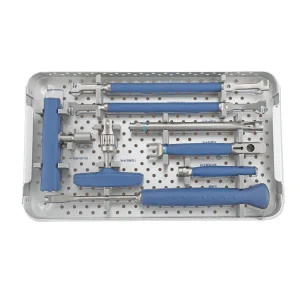
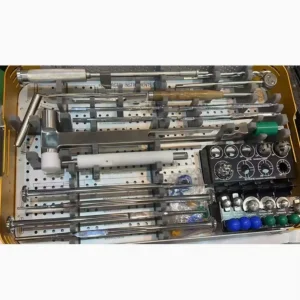
Explore our complete catalog of internal and external fixation components, custom screws, and specialized instrument sets.
 WEX Medical