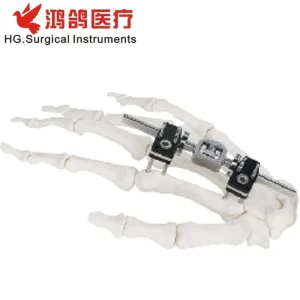
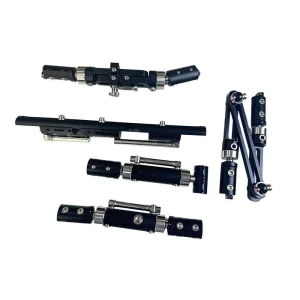
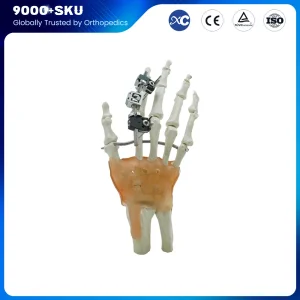
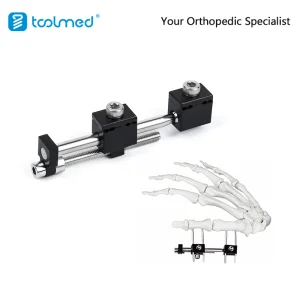
Engineered for structural stability in metacarpal, metatarsal, and phalangeal trauma, these clinical-grade systems support localized emergency interventions in Dominica, preventing soft tissue collapse and restoring physiological alignment.
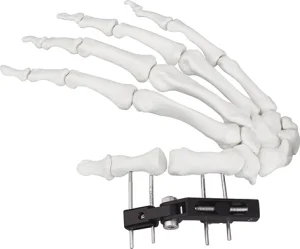
Dominica, known for its rugged terrain, agricultural activities (such as banana cultivation), and active eco-tourism, presents a unique set of clinical challenges for trauma care. High-energy impact injuries, falls, and machinery-related hand trauma are common. In such scenarios, bones of the hand (phalanges and metacarpals) and the foot (metatarsals) are highly susceptible to compound fractures. Immediate, rigid stabilization is critical to preserve tissue viability, avoid chronic deformity, and manage infections, especially in humid and tropical environments.
For regional healthcare clinics and primary hospitals like the Dominica China Friendship Hospital in Roseau, having rapid access to reliable, modular, and lightweight external fixators is paramount. These devices allow orthopedic surgeons to rapidly stabilize complex, open hand and foot fractures without requiring extensive internal hardware that could act as a nidus for infection in contaminated wounds.
Procuring medical implants in small island developing states (SIDS) like Dominica requires rigorous selection criteria. Hospital administrators, procurement officers, and lead orthopedic consultants demand transparency in raw material sourcing, biomechanical validation, and global regulatory compliance. Standard clinical documentation is no longer sufficient. Buyers need deep insight into the fatigue strength of the pins, the mechanical tolerance of the locking clamps, and the biocompatibility of the fixator systems.
By prioritizing external fixators that offer high structural stiffness with a minimal payload, clinicians can ensure patients maintain immediate post-op mobility in uninvolved joints. This clinical approach reduces overall physical rehabilitation periods, lowering the socioeconomic impact of orthopedic trauma on families and Dominican healthcare budgets.
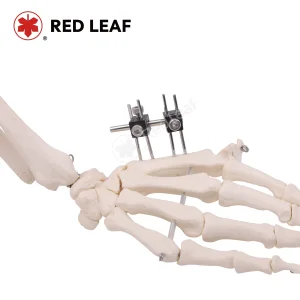
The biomechanical performance of a mini external fixator relies heavily on its mechanical configuration and raw material properties. In hand and foot trauma, where spatial constraints are high, the fixator must provide optimal stability using small-diameter pins without compromising structural integrity.
WEX Mini Fixators utilize medical-grade materials including Grade 5 Titanium Alloy (Ti-6Al-4V) and High-Strength 316L Stainless Steel. Titanium alloys provide exceptional biocompatibility, high strength-to-weight ratios, and excellent radiological properties. This significantly reduces artifacting in postoperative X-rays, allowing surgeons to accurately monitor callus formation and bone healing progression.
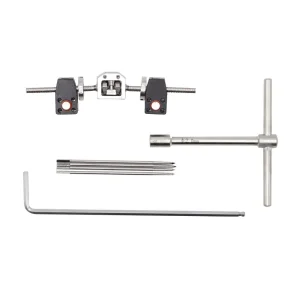
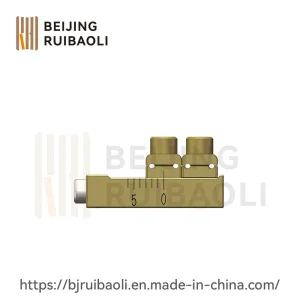
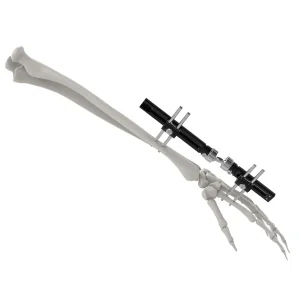
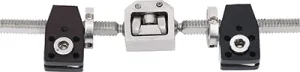
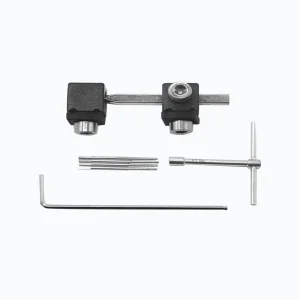
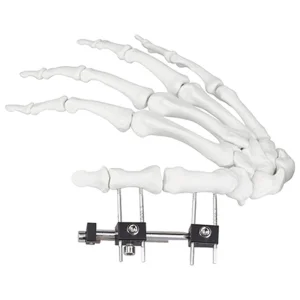
Our universal compression-extension systems incorporate micro-threaded rails that allow for precise intraoperative adjustment and postoperative distraction. This is crucial for treating phalangeal bone loss, managing joint contractures, or executing gradual deformity correction. The fine pitch of the adjustment threads prevents accidental over-distraction and ensures micrometric precision.
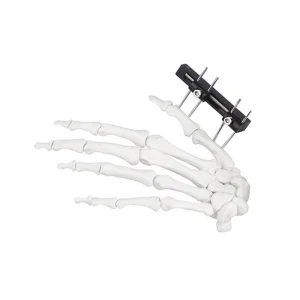
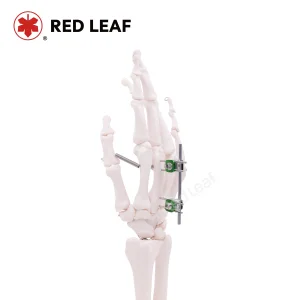
The connection between the Kirschner pins or bone pins and the connection rods uses specialized clamping mechanisms. These clamps feature high-friction, multi-directional locking nuts that prevent slipping under physiological loads. The mini-rail systems allow for unilateral configurations, reducing bulk and maximizing comfort for the active hand or foot.
Optimized for delicate anatomical structures, these systems provide localized compression, joint motion preservation, and secure bone pin purchase.
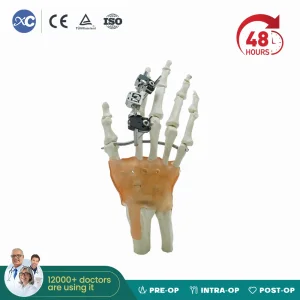
As a leading brand name in orthopedic implants and surgical instruments, Changsha WEX Medical Instruments Co., Ltd. represents the pinnacle of smart factory integration in China's Hunan medical industrial valley. With more than two decades of dedicated innovation, WEX is committed to supplying high-integrity orthopedic solutions to worldwide healthcare markets, including the Caribbean region and Dominica.
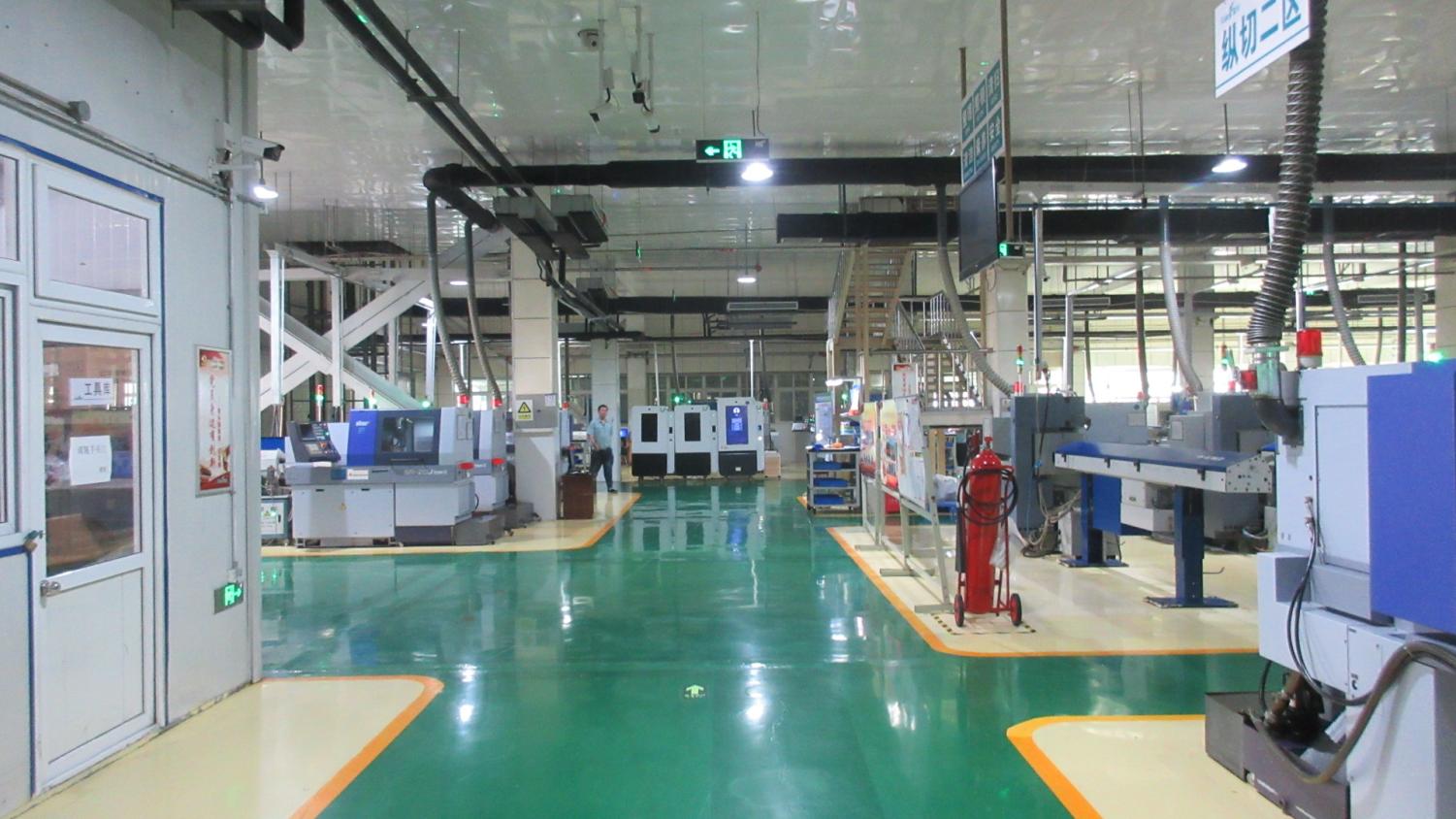
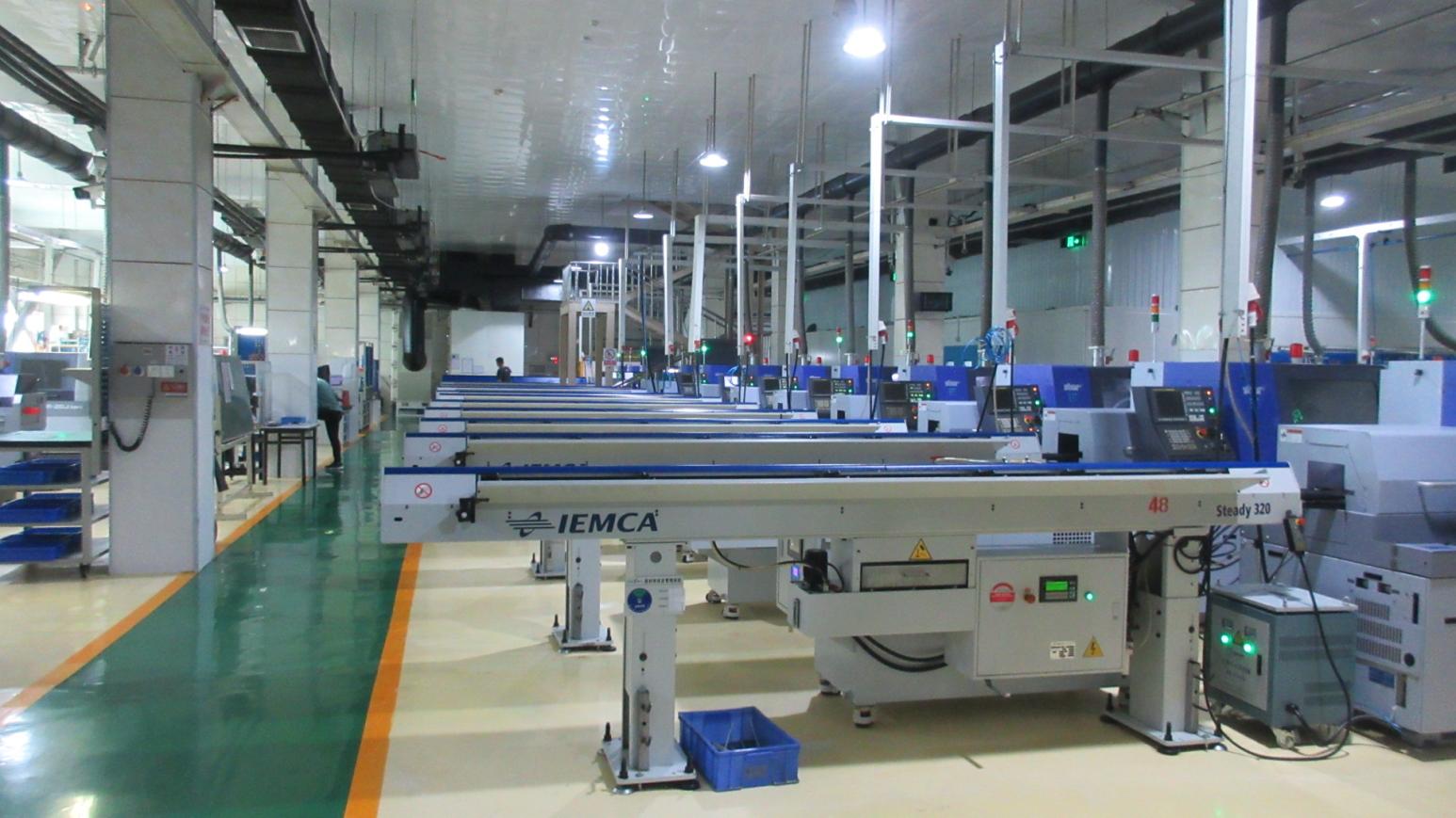
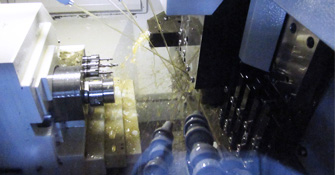
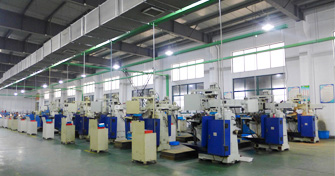
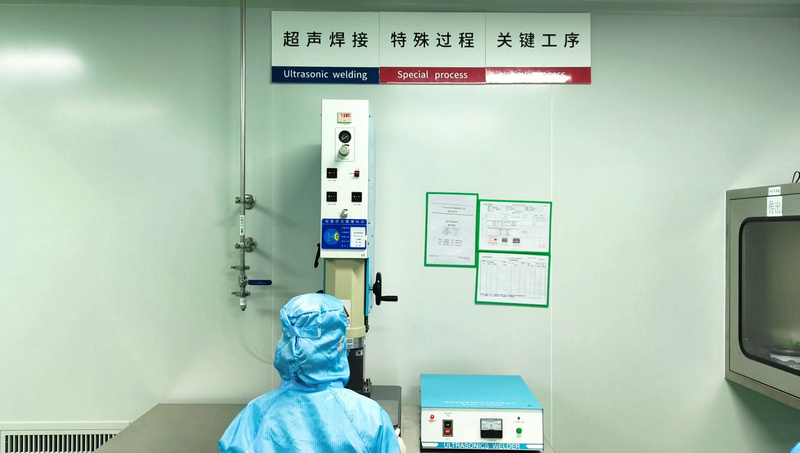
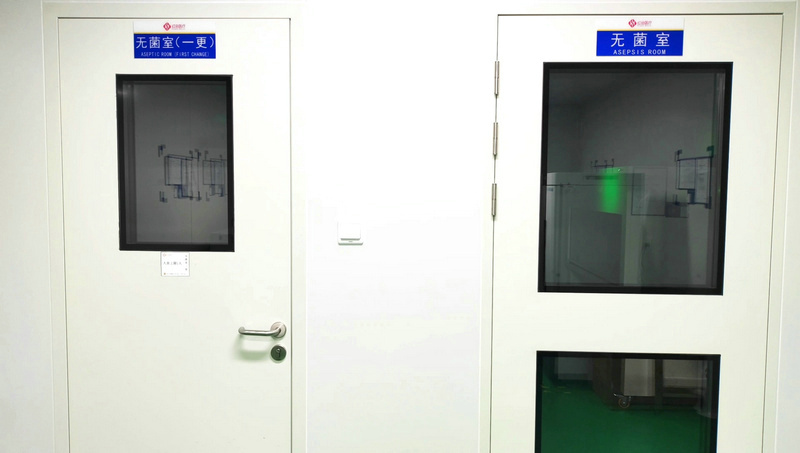
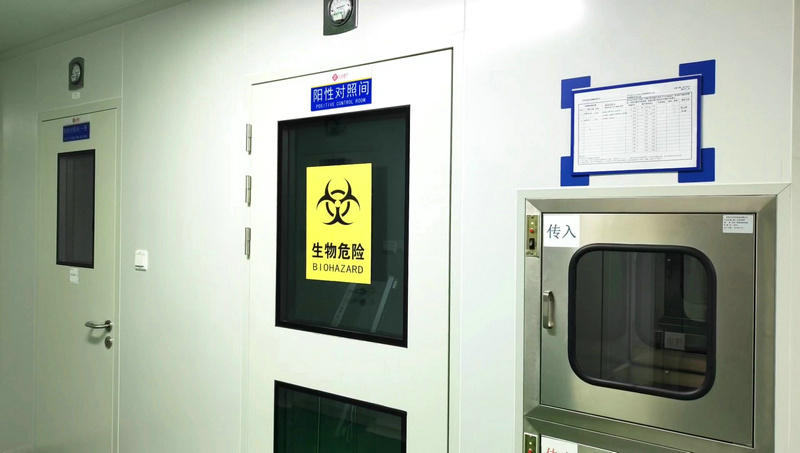
Our manufacturing base boasts bright, modern factory workshops equipped with over one hundred units of precision production machinery. This hardware includes advanced CNC machining centers, CNC sliding headstock auto-lathes, and precision CNC milling/lathing machines. These advanced technologies allow WEX to achieve tolerances at the micron level, ensuring that every bone screw thread, locking clamp, and slider rail is manufactured to the exact specifications required by international surgeons.
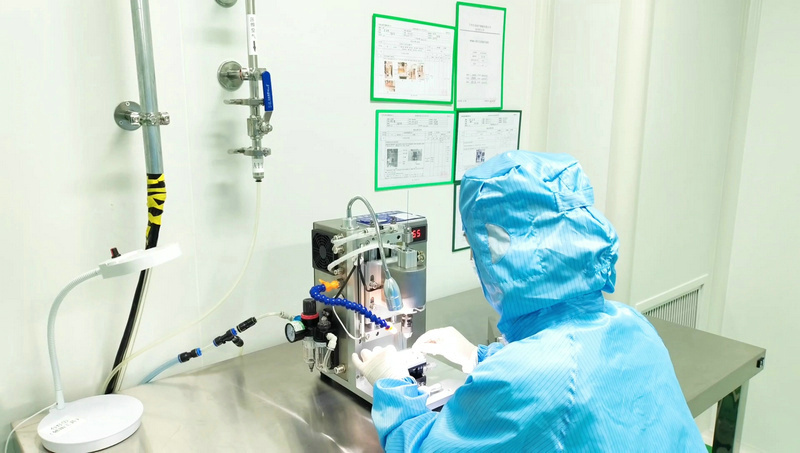
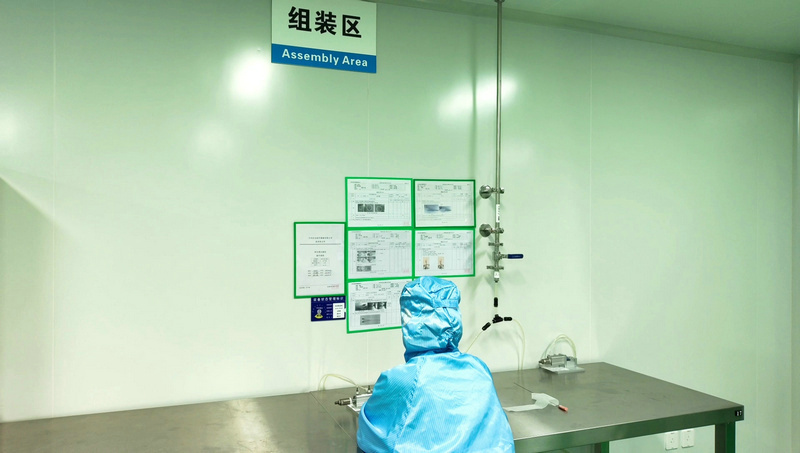
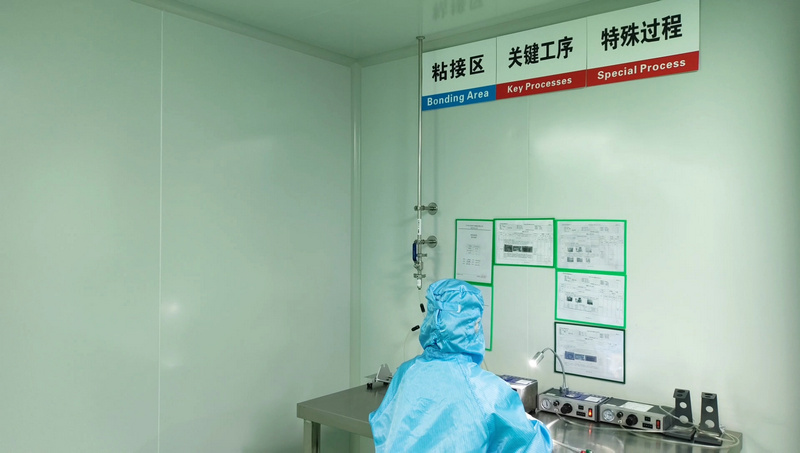
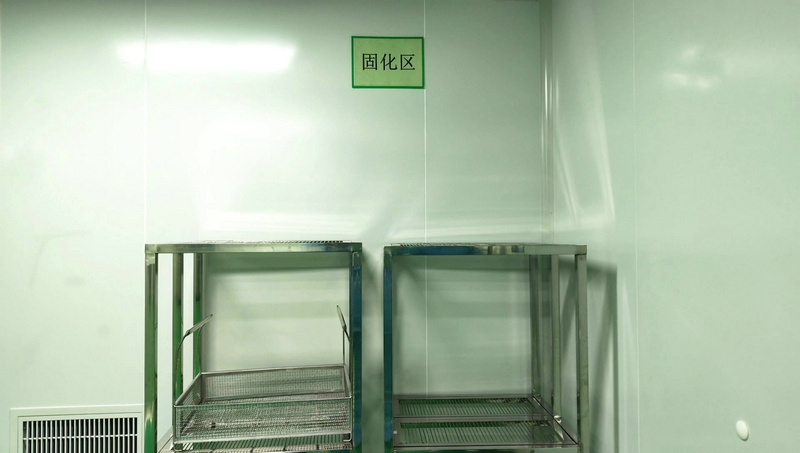
All implants are produced in accordance with a strict Quality Management System that has passed both ISO 9001:2008 and ISO 13485:2003 certifications. Additionally, our implant products hold the CE Certification, allowing for seamless integration into hospitals globally. The packaging and assembly processes are carried out in a certified clean workshop designed to meet strict GMP standards, preventing any bioburden contamination prior to clinical sterilization.
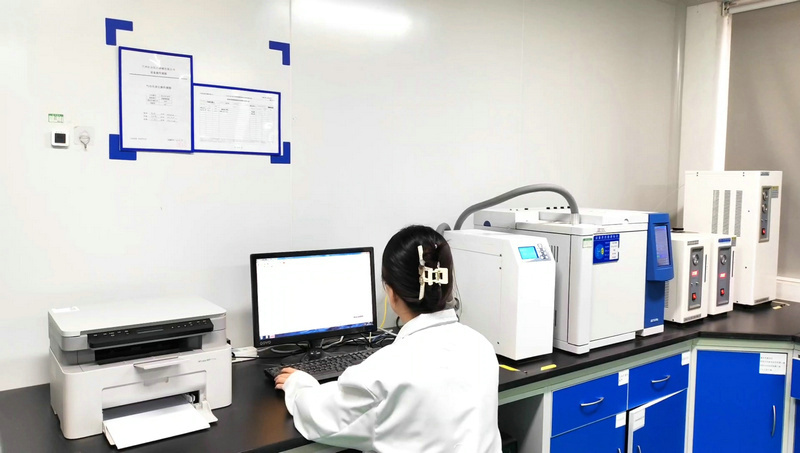
Testing is core to the reliability of WEX products. We employ over ten advanced testing systems to inspect raw materials and finished products, including:
Navigating the import of class IIb and class III medical devices into Dominica requires a thorough understanding of the local Ministry of Health, Wellness and New Health Investment guidelines. WEX facilitates this by providing a comprehensive document dossier with every order:
Due to Dominica’s geographic location in the Windward Islands, shipping routes require strategic coordination. WEX partners with reliable global air cargo and ocean freight forwarders to ensure timely arrivals at Roseau Sea Port or Douglas-Charles Airport (DOM). Our logistics department handles:
Detailed biomechanical, manufacturing, and logistic inquiries solved for Dominica’s clinical directors and healthcare distributors.
Select from our CE-approved trauma implant range, designed to meet the rigorous demands of Dominican clinical networks and emergency centers.
 WEX Medical