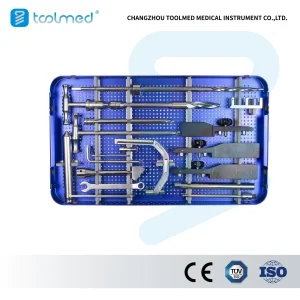
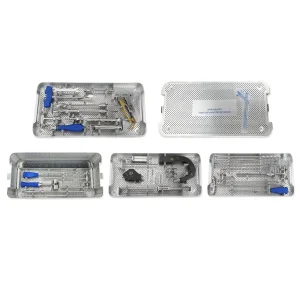
Ensuring absolute clinical reliability during revision arthroplasty with premium surgical sets and sterilized replacement packages.
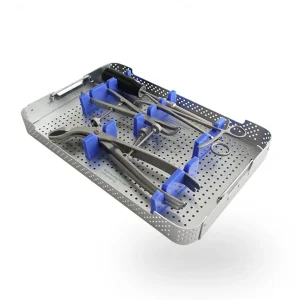
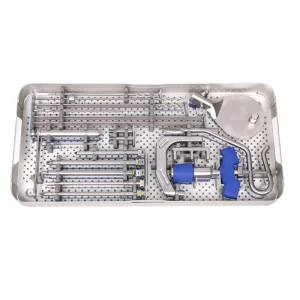
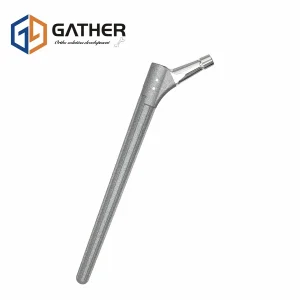
As life expectancy increases and primary joint replacements become more common globally, revision arthroplasty has emerged as a major challenge in modern orthopedics. In Castries, Saint Lucia, and the wider Caribbean community, orthopedic surgeons are increasingly seeing revision cases resulting from aseptic loosening, osteolysis, implant wear, and periprosthetic infections. Navigating these demanding procedures requires modular implant systems, optimized surgical instruments, and reliable clinical outcomes.
Historically, medical facilities in Castries—such as the Owen King European Union (OKEU) Hospital and private clinics—relied on regional distributors that imported equipment via long, expensive supply chains. This setup often caused long lead times and high procurement costs. Establishing direct supply lines with specialized manufacturers is vital to improving surgical preparedness for high-complexity procedures like joint revisions.
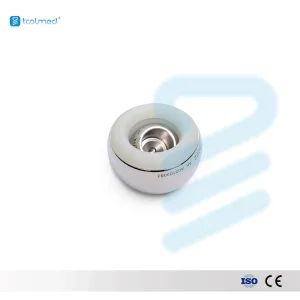
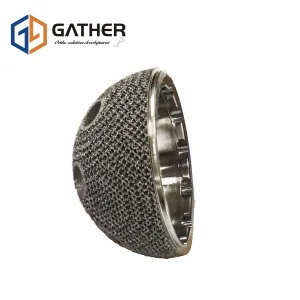
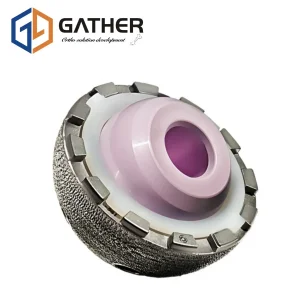
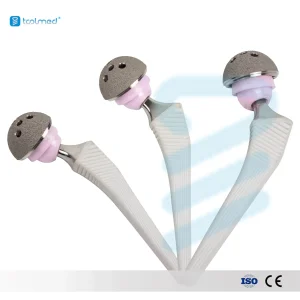
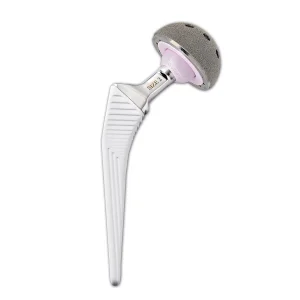
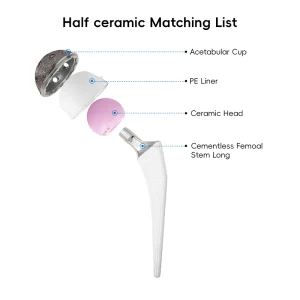
Revision surgeries require more comprehensive planning than primary replacements. Clinicians must account for extensive bone loss, structural instability, and previous implant removal. Advanced solutions, such as the modular S-ROM titanium alloy cementless systems and 3D-printed porous implants, offer surgeons the anatomical flexibility needed to restore mobility and stability to patients across the Caribbean.
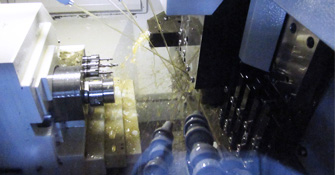
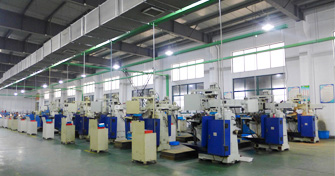
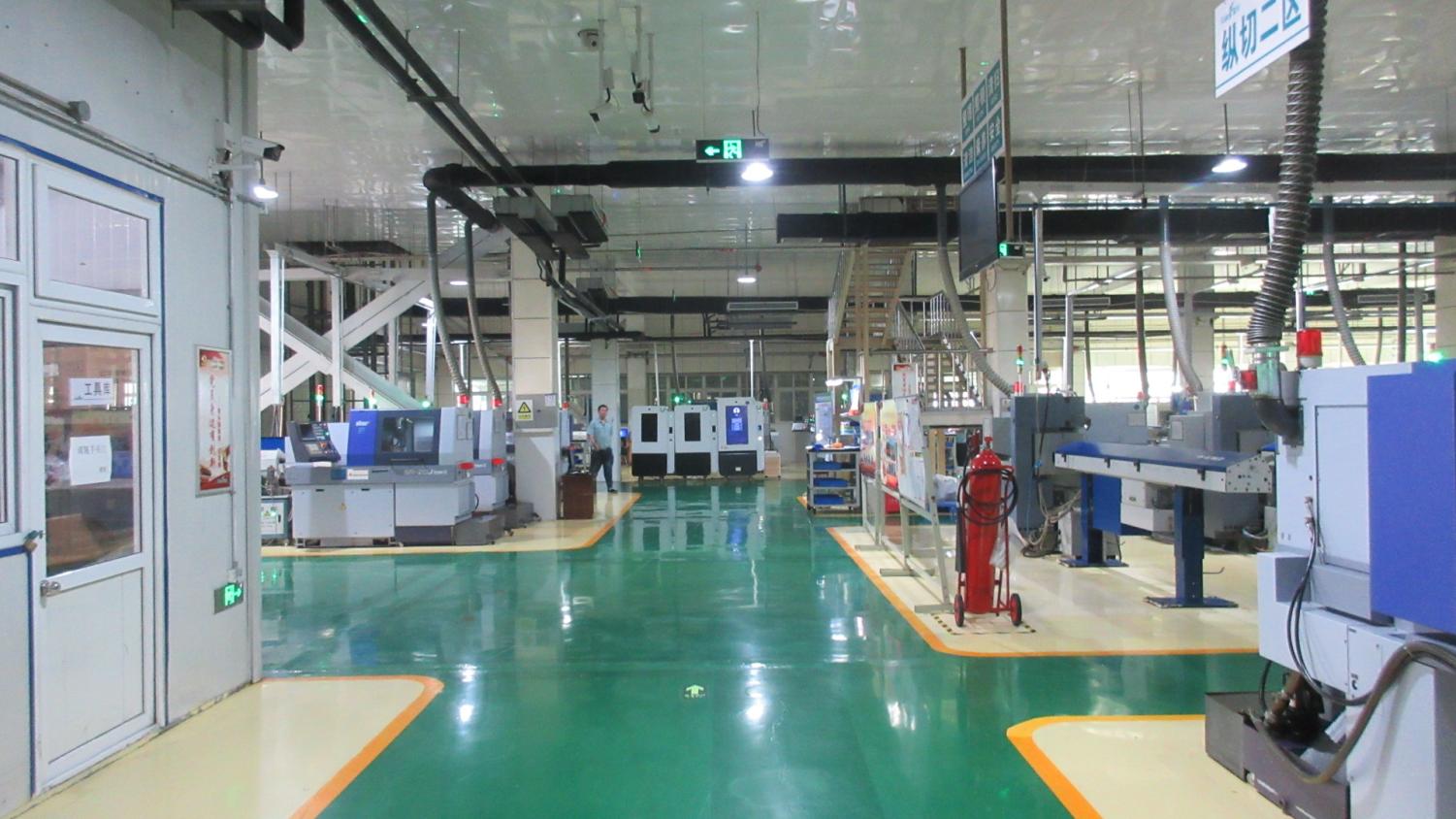
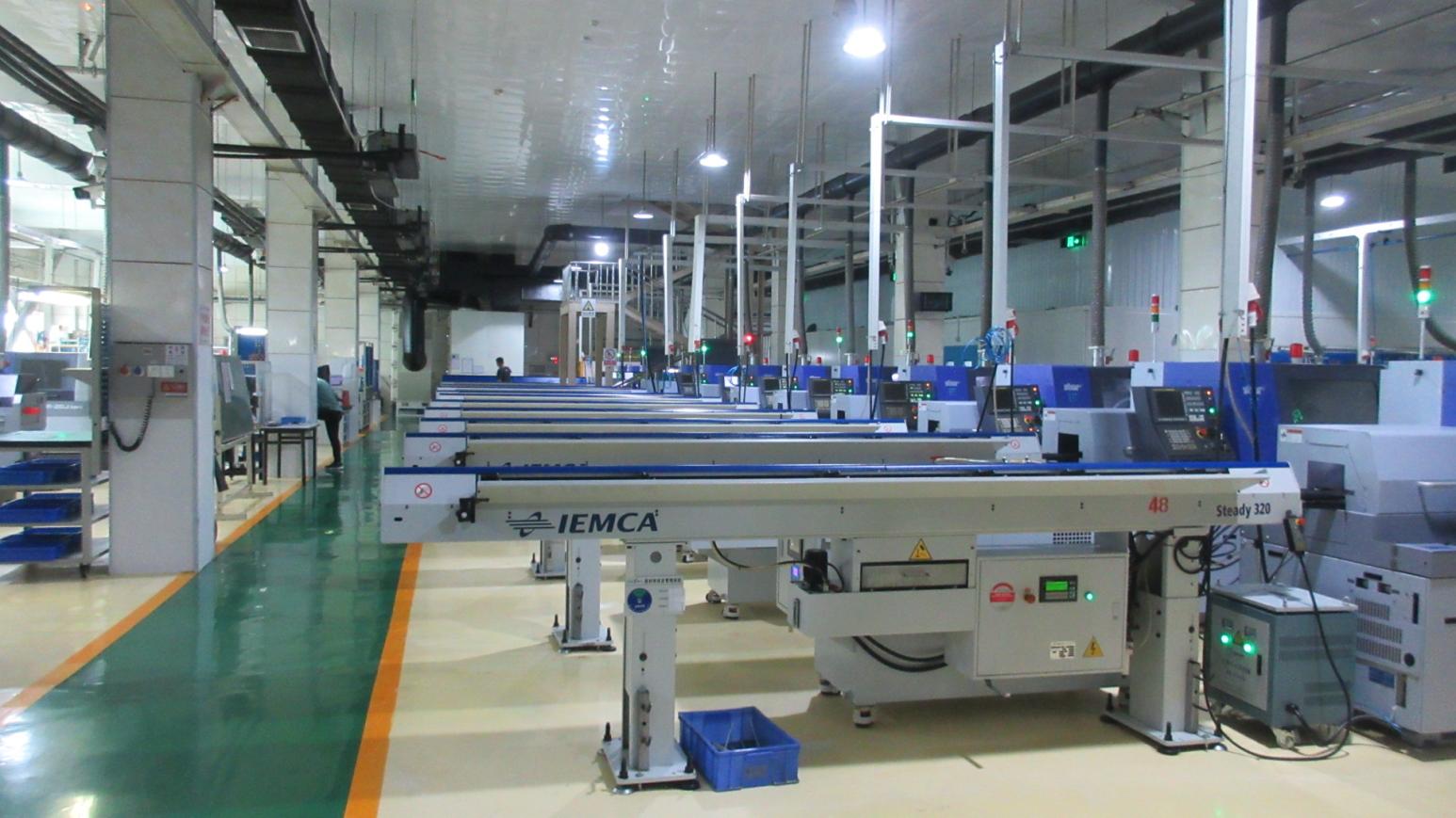
By utilizing state-of-the-art manufacturing hubs in China, companies like Changsha WEX Medical Instruments Co., Ltd. offer significant advantages. Our production processes blend high volume with high precision to meet international medical standards. Key highlights of our manufacturing capabilities include:
Surgical success in revision arthroplasty depends on managing structural bone loss. Implants must be selected based on recognized clinical guidelines:
Acetabular Defects (Paprosky Classification): For Type II and III defects, modular augmentations, highly porous metals, and cementless S-ROM systems are preferred to ensure stable biological fixation.
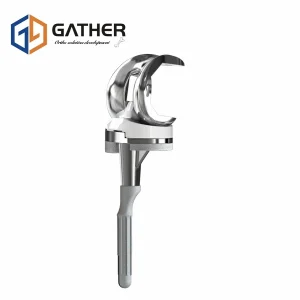
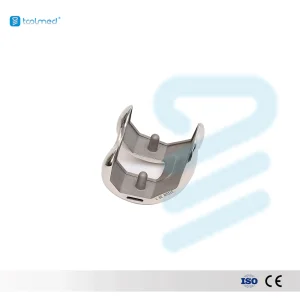
Tibial & Femoral Deficiencies (AORI Classification): When treating Type II and III defects, reconstructive surgeons rely on specialized revision knee systems featuring modular stems and augments. These components help bypass compromised bone areas to distribute mechanical loads securely.
Take a closer look at the precision engineering behind Changsha WEX Medical's orthopedic implants.
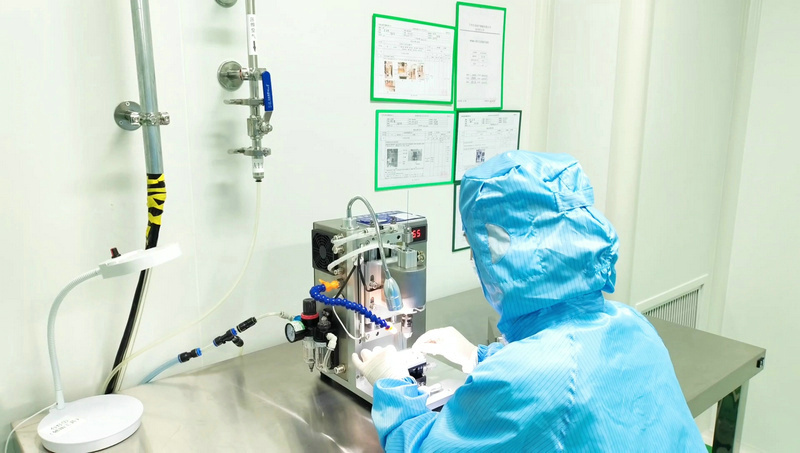
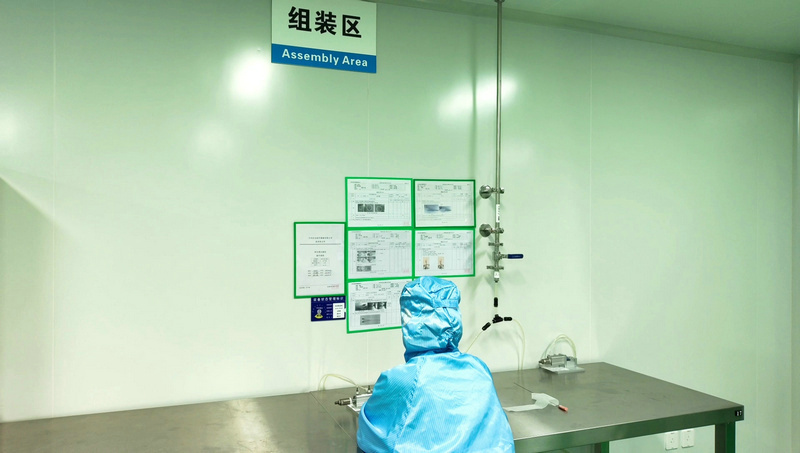
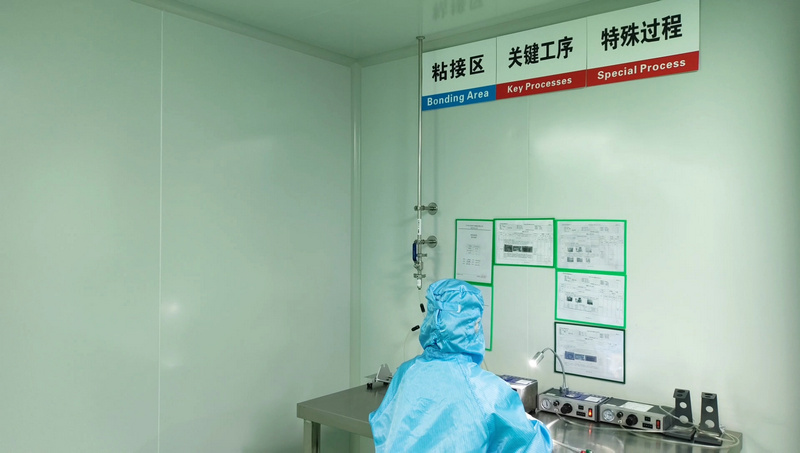
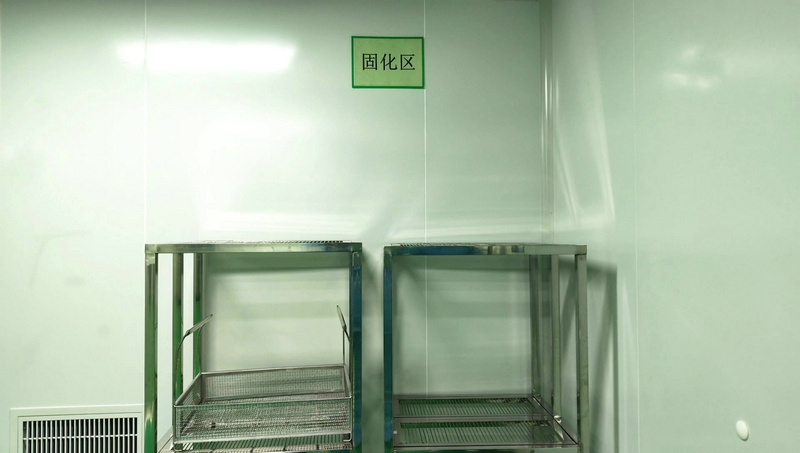
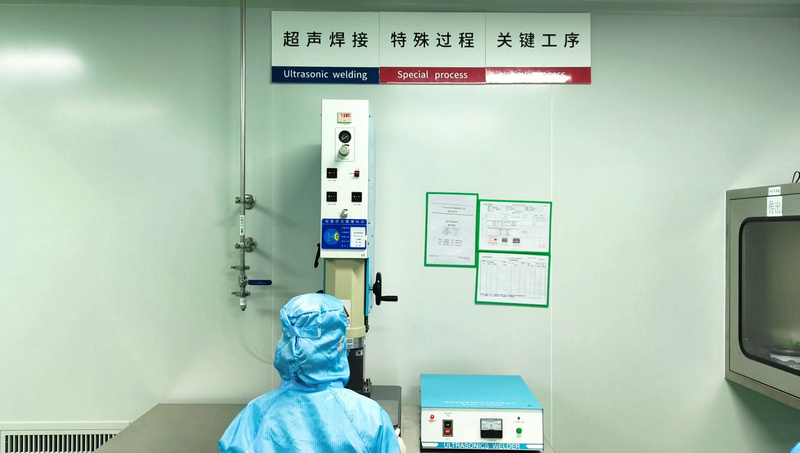
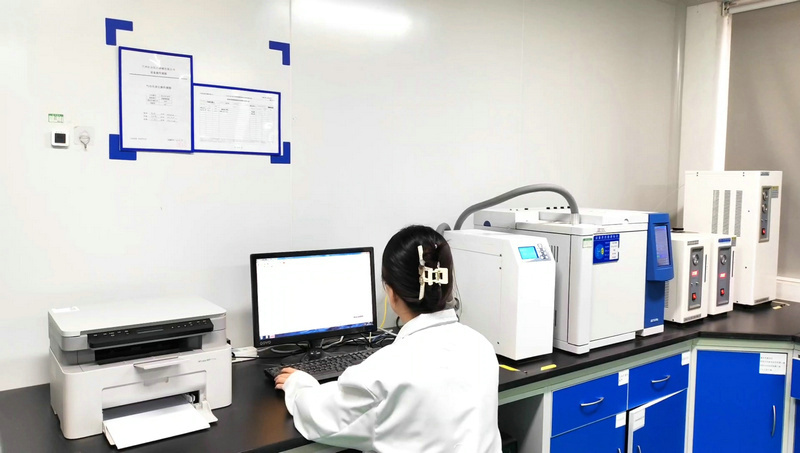
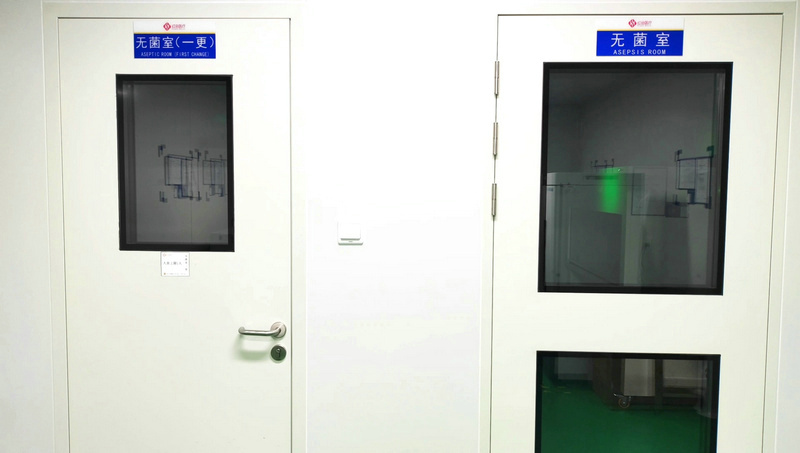
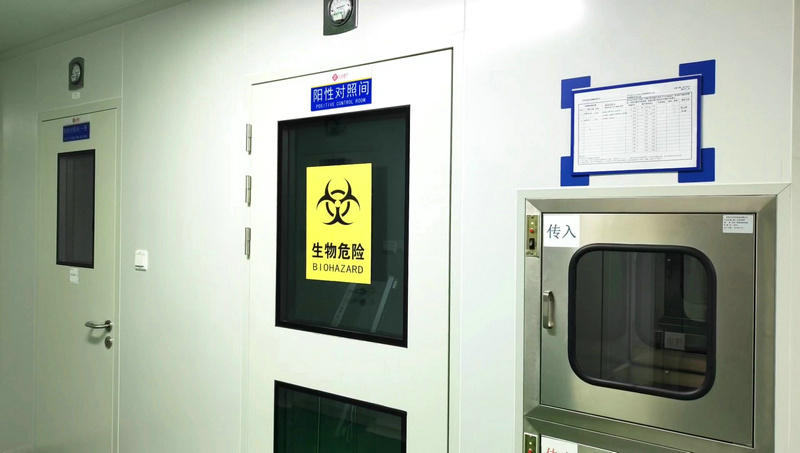
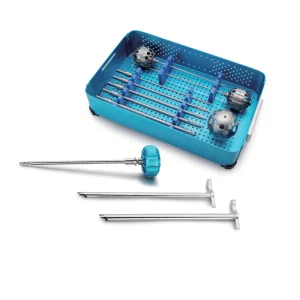
Changsha WEX Medical Instruments Co., Ltd. brings over twenty years of experience to the design and production of "WEX" branded orthopedic implants. Our product line includes bone plates, locking screws, interlocking intramedullary nails, spinal internal fixation systems, and comprehensive surgical instrument sets. Certified under CE and ISO 9001/ISO 13485, WEX meets the rigorous specifications required by hospitals, distributors, and reconstructive orthopedists in Castries and international markets.
Engineered for modularity, immediate mechanical stability, and long-term biological fixation.
Key information regarding shipping, materials compliance, and sterile system performance for importing to Castries and the Caribbean.
Connect directly with our engineering and procurement team for technical specifications, bulk pricing, and localized freight options to Castries.
Send Inquiry Now WEX Medical