Explore our top-tier revision implants and specialized orthopedic surgical instrument systems designed for complex reconstructions.
In the Kingdom of Lesotho, orthopedic healthcare is entering a transformative era. As primary hip and knee arthroplasties increase across both public and private hospital sectors—particularly within Maseru's referral networks and major regional centers—there is an inevitable rise in the demand for Revision Hip and Knee Systems. Joint revisions are highly complex surgeries required when a primary joint implant fails due to aseptic loosening, periprosthetic joint infection (PJI), implant wear, osteolysis, or periprosthetic fractures. For Lesotho's orthopedic surgeons, access to versatile, high-durability, and modular revision systems is critical to patient recovery and long-term clinical success.
The geographic and demographic realities of Lesotho place unique pressures on local surgical environments. Patients in rural districts (such as Thaba-Tseka or Qacha's Nek) often face physical terrains that demand robust mobility, meaning joint implants must withstand high mechanical loads and offer superior structural fixation. Additionally, because access to tertiary revision surgery is concentrated in major facilities like Queen 'Mamohato Memorial Hospital, medical distributors and procurement departments require reliable international manufacturers capable of supplying certified revision systems with fast lead times, intuitive instrumentation sets, and thorough clinical backup support.
Our modular revision systems enable intraoperative flexibility to address severe bone loss and restore joint mechanics without delay.
Using medical-grade Titanium Alloys (Ti-6Al-4V) and Cobalt-Chromium-Molybdenum to achieve optimal bone-to-implant load transfer.
All joint components undergo validated medical gamma sterilization or ethylene oxide processes, packed in Class III medical pouches.
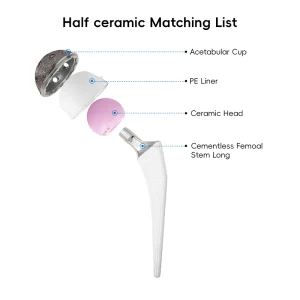
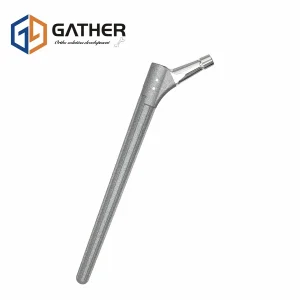
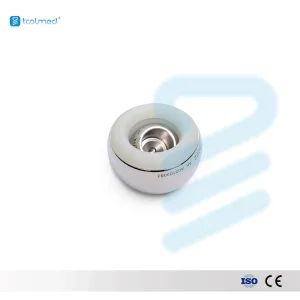
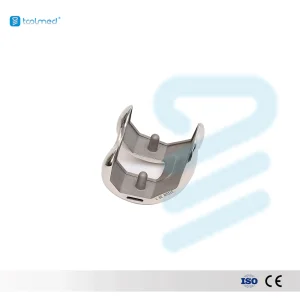
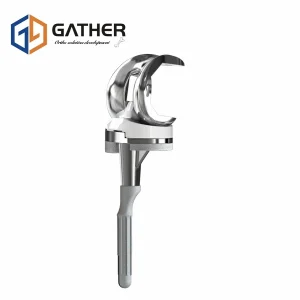
From a global perspective, the engineering requirements for revision hip and knee implants are exponentially higher than those for primary systems. Due to compromised bone stock and weakened soft tissue structures from the failed primary arthroplasty, the revision implant must rely on secondary fixation methods. Modern revision hip prostheses utilize cementless modular stems, proximal sleeves, and distal locking options to achieve diaphyseal fixation. In revision knee arthroplasty, highly constrained designs, tibial/femoral stems, and metal augments are necessary to bridge bone voids and restore the joint line.
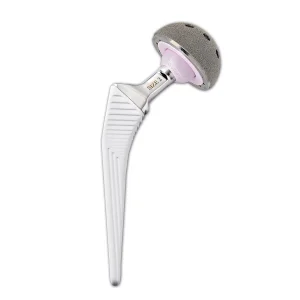
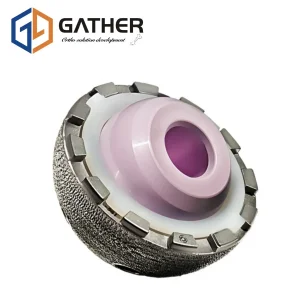
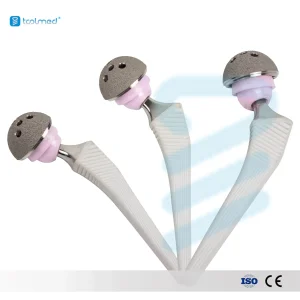
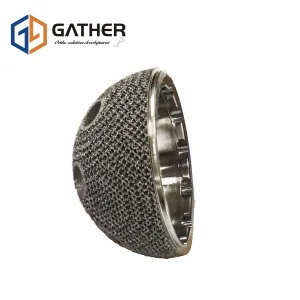
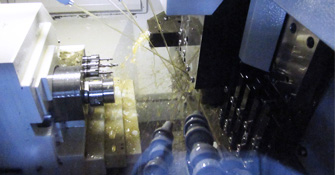
At Changsha WEX Medical Instruments Co., Ltd., we address these complex requirements through structural innovation. Our S-ROM titanium alloy cementless hip joints and specialized knee systems are manufactured to align with international standards. We utilize advanced CNC machining centers to ensure the micro-tolerances of taper junctions in modular stems, reducing the risk of fretting corrosion and micro-motion. The integration of 3D-printed porous structures mimics trabecular bone geometry, promoting rapid osseointegration and long-term biological fixation—a critical factor for younger, active revision patients in Lesotho.
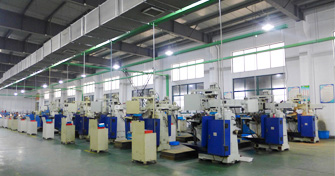
How does a Chinese factory like Changsha WEX Medical Instruments deliver high-end revision joint implants to Lesotho with superior cost-effectiveness? The answer lies in advanced manufacturing integration and supply chain efficiency. By utilizing state-of-the-art CNC sliding headstock auto-lathes, high-precision milling machines, and modern ultrasonic cleaning systems, we maintain a zero-defect production line. Our quality management systems are certified under ISO 9001:2008 and ISO 13485:2003, with clean packaging lines built strictly to GMP standards.
Furthermore, our in-house testing facility features carbon and sulfur analyzers, tensile-testing machinery, fluorescent fault detectors, and positive control testing rooms. This enables us to inspect every raw material batch (such as high-grade titanium and cobalt-chromium bars) and every finished implant before shipment. For medical distributors in Maseru and public health procurement panels in Lesotho, this translates into reliable product supplies that bypass the excessive markups of European or American manufacturers, without compromising on surgical safety and longevity.
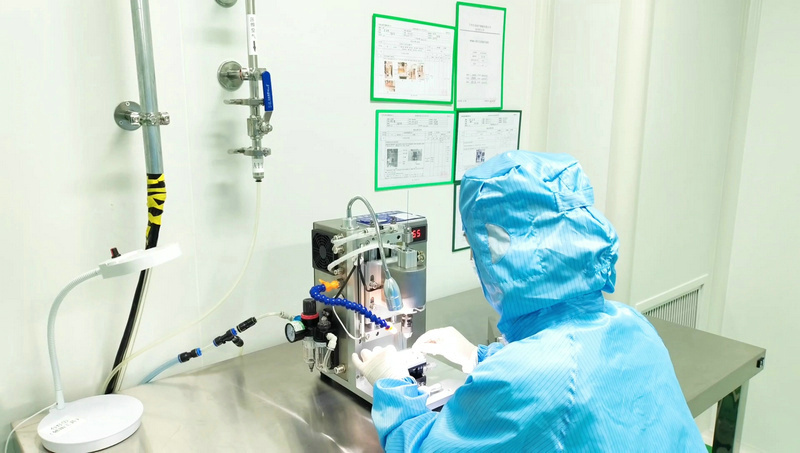
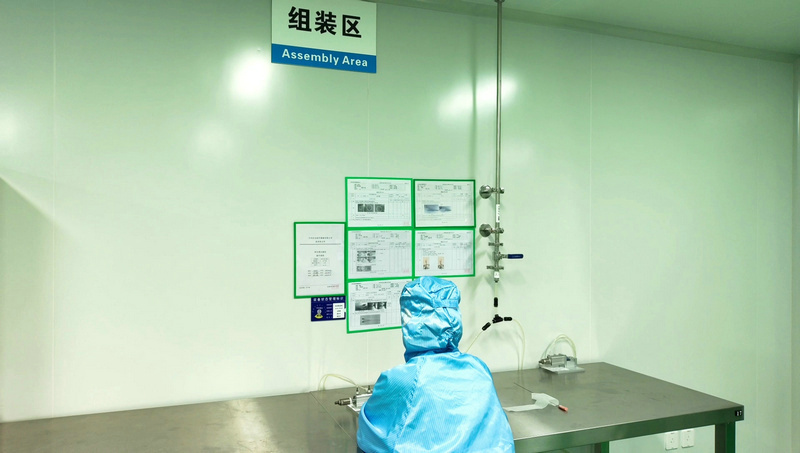
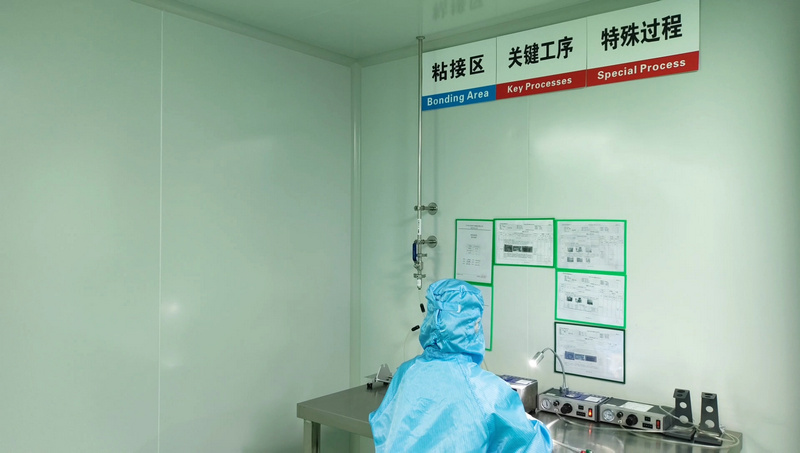
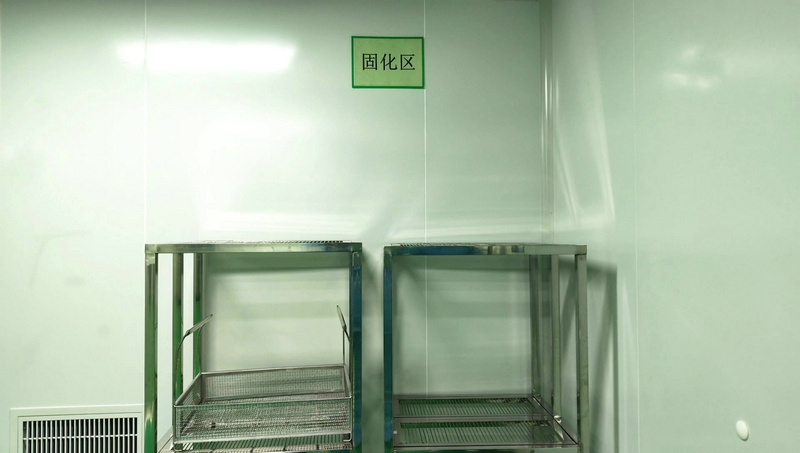
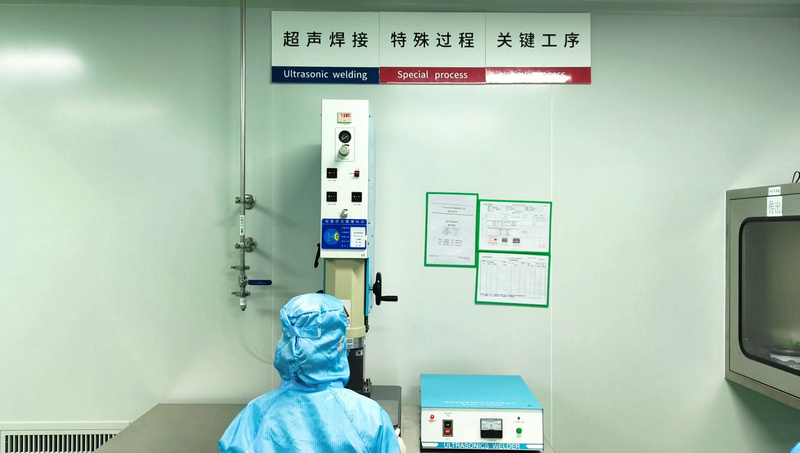
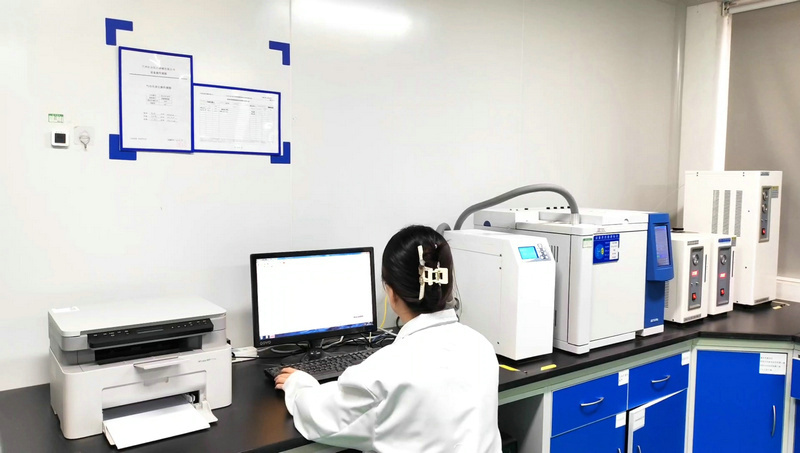
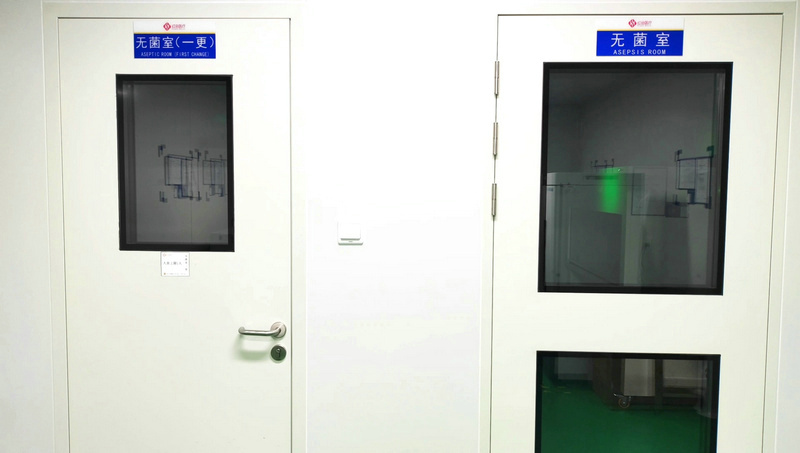
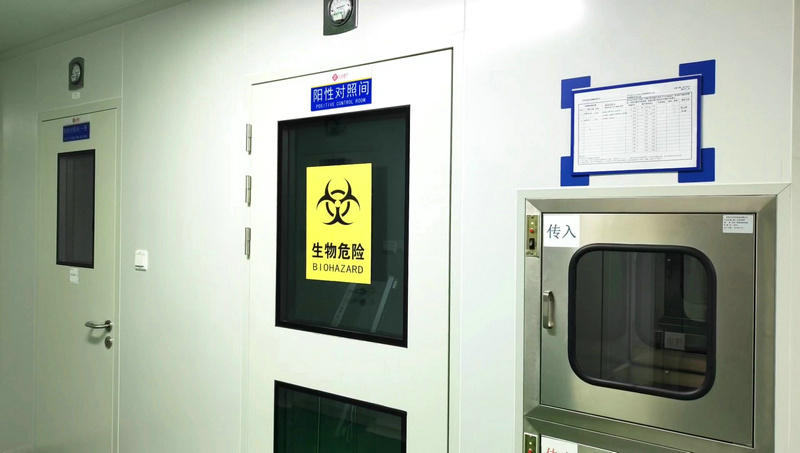
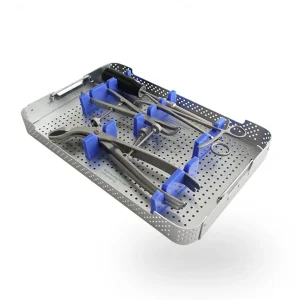
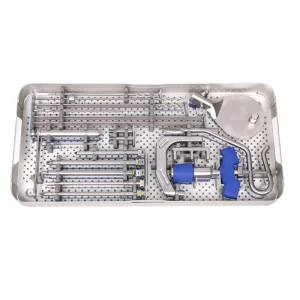
Surgical revision procedures are demanding, requiring high levels of teamwork, surgical planning, and tool preparedness. In Lesotho, where surgical theaters must manage supply chain delays, having integrated instrument sets is vital. We supply not only the implant components but also the necessary surgical instruments to perform the surgery efficiently. For example, our Locking LCP Instrument Sets and Femoral Interlocking Nail Instrument Sets provide surgeons with the exact tools needed for femoral reconstruction and complex peri-implant fractures.
Common clinical scenarios in Lesotho where our systems are highly effective include:
Our comprehensive catalog of CE-certified solutions, ranging from primary and revision joints to trauma locking plates and surgical instruments.
The field of joint reconstruction is moving rapidly toward patient-specific solutions. 3D printing (additive manufacturing) has revolutionized how surgeons handle severe bone loss. Rather than relying solely on off-the-shelf metal augments, 3D-printed custom implants can be modeled using CT data to match the unique topography of a patient's bone defect. This minimizes intraoperative bone removal, reduces surgical duration, and optimizes structural stability.
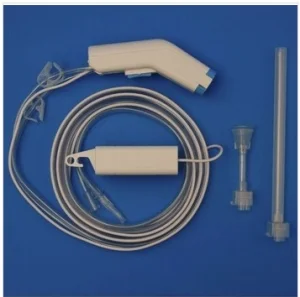
Another major trend is the integration of minimally invasive diagnostic and surgical options. Utilizing specialized tools, such as our Orthopedic Endoscope Instrument Sets, allows surgeons to perform diagnostic joint sweeps and clean up soft tissue impingements without the trauma of open revision surgery. As hospital systems in Maseru and throughout the SADC region advance their clinical capabilities, these advanced tools and implants will play an essential role in improving patient outcomes and lowering healthcare costs.
For medical device companies and public procurement officials in Lesotho, establishing a reliable supply chain for Class III medical implants is critical. The key factors to evaluate when choosing an international manufacturer include:
Get professional answers on material compliance, system compatibility, and sourcing logistics for the Lesotho medical market.
Partner with an experienced OEM/ODM joint systems manufacturer today.
Send Inquiry Now WEX Medical